• Home
  • Latest
  • Fortune 500
  • Finance
  • Tech
  • Leadership
  • Lifestyle
  • Rankings
  • Multimedia
EconomyShipping

White House suspends the Jones Act for 60 days. Analysts see a gas price impact of 3 cents

By
Wyatte Grantham-Philips
and
The Associated Press
Down Arrow Button Icon
By
Wyatte Grantham-Philips
and
The Associated Press
Down Arrow Button Icon
March 18, 2026, 4:32 PM ET
Trump frowns
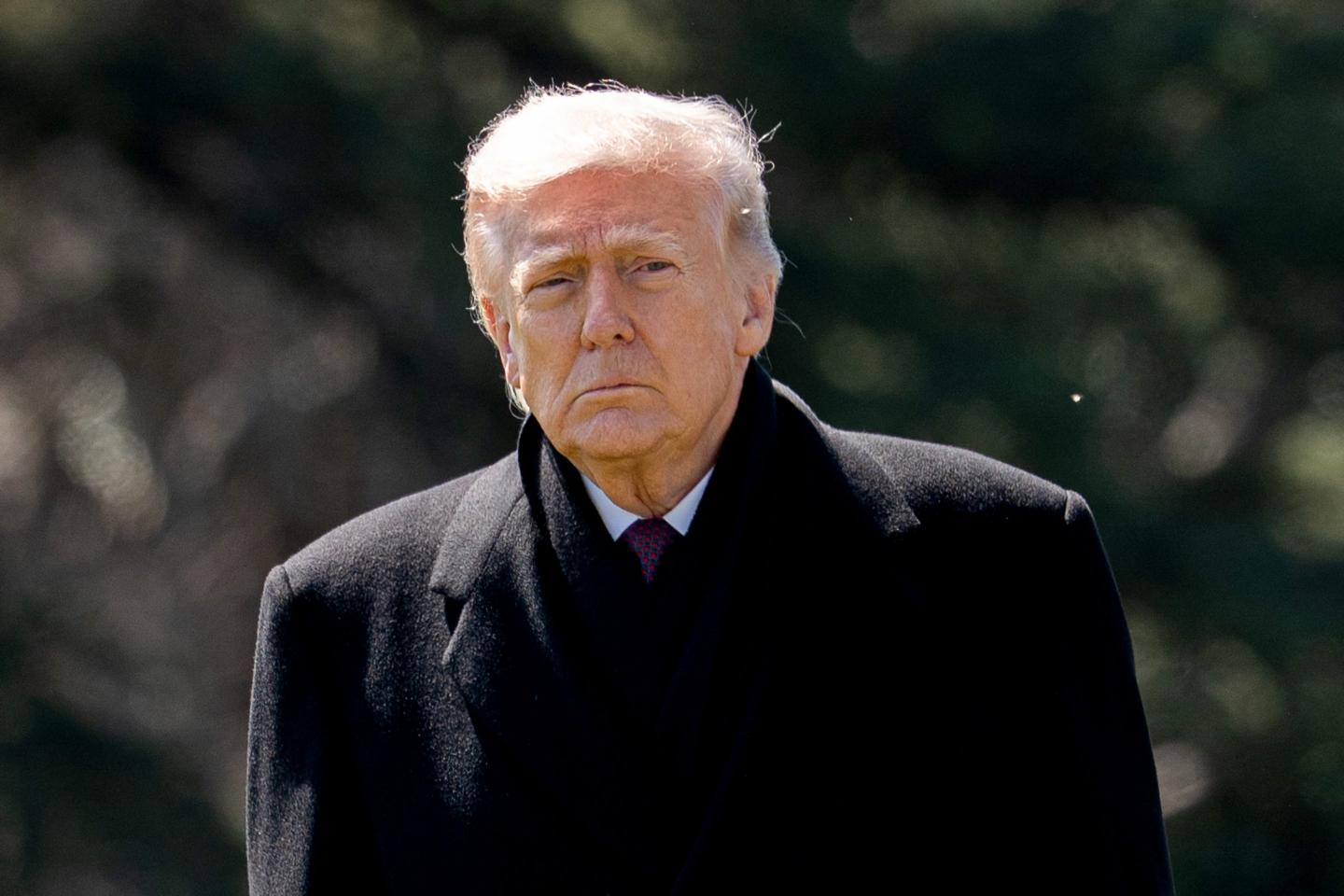
On Wednesday, the White House said that it would suspend the Jones Act amid wider efforts to counter steep oil prices and cargo disruptions due to the war.Aaron Schwartz—Bloomberg via Getty Images

As the U.S. and Israel’s war against Iran continues to upend energy markets and supply chains worldwide, the Trump administration says it will temporarily waive maritime shipping requirements under a more than century-old law known as the Jones Act.

Recommended Video

The Jones Act requires that goods hauled between U.S. ports be moved on U.S.-flagged vessels. Passed in 1920, this law aims to protect the American shipping sector — but it’s also faced criticism over the years for slowing the delivery of goods, including critical aid during time of crisis.

On Wednesday, the White House said that it would suspend Jones Act requirements for 60 days, in a measure that arrives amid wider efforts to counter steep oil prices and cargo disruptions due to the war. The Jones Act is often blamed for making gas, in particular, more expensive. Still, some analysts and industry groups say this waiver will do little to ease consumers’ fuel bills today.

Here’s what we know.

What is the Jones Act?

The Jones Act’s official name is the Merchant Marine Act of 1920. Congress passed the law — sponsored by Sen. Wesley Jones of Washington state — in an effort to rebuild U.S. shipping after German U-boats decimated America’s merchant flee during World War I.

Among other things, the Jones Act mandates that ships carrying cargo and passengers between U.S. ports must be built in the United States and owned by Americans — effectively prohibiting foreign-flagged ships from this domestic trade. The vessels are also required to carry U.S. crews.

The law can be waived in the “interest of national defense,” the U.S. Maritime Administration notes, either through the Homeland Security or Defense Department.

The Jones Act also was intended to ensure that the U.S. had its own merchant fleet in case of war. It’s been strongly supported by some U.S. shipping companies, national security advocates and organized labor. But cutting out foreign competition has also driven up the cost of carrying cargo domestically.

U.S.-flagged ships are generally more expensive to both operate and build than foreign ones. And those costs are especially damaging to states and territories that are supplied by sea, such as Hawaii and Puerto Rico.

Why is Trump waiving Jones Act requirements now?

Oil prices have spiked and swung rapidly since the start of the Iran war. Nearly all tanker movement in the key Strait of Hormuzremains at a halt, which has led major oil producers across the Middle East to cut production. Commercial ships — which, beyond fuel, haul cargo from pharmaceuticals to computer chips — have also been stalled at sea or faced attacks themselves.

That’s pushing up prices for businesses and consumers worldwide. Brent crude, the international standard, was trading at nearly $109 a barrel on Wednesday, up from roughly $70 before the war began. And U.S. crude is now at about $98 a barrel. U.S. drivers have already seen prices at the pump jump dramatically — with the national average for regular gasoline topping $3.84 a gallon Wednesday, per AAA, up about 86 cents from before the war.

All of this has left countries scrambling for more supply and alternative shipping routes. The White House confirmed last week it was looking into suspending Jones Act requirements, which Trump called “restrictive.”

White House press secretary Karoline Leavitt said Wednesday that the Jones Act waiver would help “mitigate the short-term disruptions to the oil market” during the Iran war and would “allow vital resources like oil, natural gas, fertilizer, and coal to flow freely to U.S. ports.”

Meanwhile, the American Maritime Partnership — a coalition that represents vessel owners and operators, unions, equipment yards and vendors — said in a statement that it was “deeply concerned” about the 60-day waiver “being abused and unnecessarily displacing American workers and American companies.”

The group, which has been a longtime supporter of the Jones Act, also reiterated that the action would do little to reduce gas prices for consumers.

How could suspending Jones Act requirements impact gas prices?

A number of factors contribute to prices at the pump. And many note that opening up domestic shipping routes isn’t a sweeping fix.

The Center for American Progress estimated last week that waiving the Jones Act would decrease East Coast gas prices by a modest 3 cents, but potentially raising costs on the Gulf Coast. And the move “would also sideline American shipbuilders and workers and allow the oil industry to continue to profit from high prices while reducing transport costs,” the research and policy think tank said Friday.

The U.S. is looking for additional ways to boost oil supply. Also on Wednesday, the Treasury Department eased sanctions to allow U.S. companies to do business with Venezuela’s state-owned oil and gas company. And the Trump administration has announced it will temporarily free up Russian oil from U.S. sanctions, too.

Last week, the International Energy Agency also pledged to release 400 million barrels of oil available from its member nations’ stockpiles, the largest volume of emergency oil pulled in the organization’s history. Trump, who previously downplayed the need to tap into reserve oil, confirmed that the U.S. would pull 172 million barrels from its Strategic Petroleum Reserve over 120 days as part of the IEA’s effort.

Still, analysts maintain this will be a short-term bridge. Refineries also buy crude oil in advance, and it takes time for new supply to trickle down to consumers. And, of course, it’s possible the pain of higher prices could increase further if the war drags on.

The U.S. is a net exporter of oil, but that doesn’t mean it’s immune to global spikes. Oil is a commodity traded globally. And most of what the U.S. produces is light, sweet crude, but refineries on the East and West coasts are primarily designed to process heavier, sour product. As a result, it also needs imports.

_______

AP Writers Seung Min Kim, Paul Wiseman and Collin Binkley in Washington contributed to this report.

Subscribe to Fortune Gulf Brief. Every Tuesday, this new newsletter will deliver clear-eyed, authoritative intelligence on the deals, decisions, policies, and power shifts shaping one of the world’s most consequential regions, written for the people who need to act on it. Sign up here.
About the Authors
By Wyatte Grantham-Philips
See full bioRight Arrow Button Icon
By The Associated Press
See full bioRight Arrow Button Icon

Latest in Economy

Finance
Lorem ipsum dolor sit amet, consectetur adipiscing elit, sed do eiusmod tempor incididunt ut labore et dolore magna aliqua. Ut enim ad minim veniam
By Fortune Editors
October 20, 2025
Finance
Lorem ipsum dolor sit amet, consectetur adipiscing elit, sed do eiusmod tempor incididunt ut labore et dolore magna aliqua. Ut enim ad minim veniam
By Fortune Editors
October 20, 2025
Finance
Lorem ipsum dolor sit amet, consectetur adipiscing elit, sed do eiusmod tempor incididunt ut labore et dolore magna aliqua. Ut enim ad minim veniam
By Fortune Editors
October 20, 2025
Finance
Lorem ipsum dolor sit amet, consectetur adipiscing elit, sed do eiusmod tempor incididunt ut labore et dolore magna aliqua. Ut enim ad minim veniam
By Fortune Editors
October 20, 2025
Finance
Lorem ipsum dolor sit amet, consectetur adipiscing elit, sed do eiusmod tempor incididunt ut labore et dolore magna aliqua. Ut enim ad minim veniam
By Fortune Editors
October 20, 2025
Finance
Lorem ipsum dolor sit amet, consectetur adipiscing elit, sed do eiusmod tempor incididunt ut labore et dolore magna aliqua. Ut enim ad minim veniam
By Fortune Editors
October 20, 2025

Most Popular

Finance
Lorem ipsum dolor sit amet, consectetur adipiscing elit, sed do eiusmod tempor incididunt ut labore et dolore magna aliqua. Ut enim ad minim veniam
By Fortune Editors
October 20, 2025
Finance
Lorem ipsum dolor sit amet, consectetur adipiscing elit, sed do eiusmod tempor incididunt ut labore et dolore magna aliqua. Ut enim ad minim veniam
By Fortune Editors
October 20, 2025
Finance
Lorem ipsum dolor sit amet, consectetur adipiscing elit, sed do eiusmod tempor incididunt ut labore et dolore magna aliqua. Ut enim ad minim veniam
By Fortune Editors
October 20, 2025
Finance
Lorem ipsum dolor sit amet, consectetur adipiscing elit, sed do eiusmod tempor incididunt ut labore et dolore magna aliqua. Ut enim ad minim veniam
By Fortune Editors
October 20, 2025
Finance
Lorem ipsum dolor sit amet, consectetur adipiscing elit, sed do eiusmod tempor incididunt ut labore et dolore magna aliqua. Ut enim ad minim veniam
By Fortune Editors
October 20, 2025
Finance
Lorem ipsum dolor sit amet, consectetur adipiscing elit, sed do eiusmod tempor incididunt ut labore et dolore magna aliqua. Ut enim ad minim veniam
By Fortune Editors
October 20, 2025
Fortune Secondary Logo
Rankings
  • 100 Best Companies
  • Fortune 500
  • Global 500
  • Fortune 500 Europe
  • Most Powerful Women
  • World's Most Admired Companies
  • See All Rankings
  • Lists Calendar
Sections
  • Finance
  • Fortune Crypto
  • Features
  • Leadership
  • Health
  • Commentary
  • Success
  • Retail
  • Mpw
  • Tech
  • Lifestyle
  • CEO Initiative
  • Asia
  • Politics
  • Conferences
  • Europe
  • Newsletters
  • Personal Finance
  • Environment
  • Magazine
  • Education
Customer Support
  • Frequently Asked Questions
  • Customer Service Portal
  • Privacy Policy
  • Terms Of Use
  • Single Issues For Purchase
  • International Print
Commercial Services
  • Advertising
  • Fortune Brand Studio
  • Fortune Analytics
  • Fortune Conferences
  • Business Development
  • Group Subscriptions
About Us
  • About Us
  • Press Center
  • Work At Fortune
  • Terms And Conditions
  • Site Map
  • About Us
  • Press Center
  • Work At Fortune
  • Terms And Conditions
  • Site Map
  • Facebook icon
  • Twitter icon
  • LinkedIn icon
  • Instagram icon
  • Pinterest icon

Latest in Economy

Wall Street piles into ‘NACHO’ bet on looming oil shortages in June
EconomyMarkets
Wall Street piles into ‘NACHO’ bet on looming oil shortages in June
By Jim EdwardsMay 8, 2026
34 minutes ago
whirlpool
EconomyMarkets
Whirlpool has a word for what the Iran War is doing to its industry: recession
By Nick LichtenbergMay 8, 2026
1 hour ago
The $39 trillion debt is set to surpass its postwar peak—and the math says Washington can’t simply cut its way out
Economynational debt
The $39 trillion debt is set to surpass its postwar peak—and the math says Washington can’t simply cut its way out
By Nick LichtenbergMay 8, 2026
1 hour ago
FARLEY
SuccessCareers
Ford CEO says his Gen Z son is choosing hands-on work: ‘He feels like that’s more fulfilling than doing summer school at some fancy college’
By Nick LichtenbergMay 7, 2026
12 hours ago
An almond farmer inspects a fruit on a tree.
North AmericaAgriculture
California farmers must destroy 420,000 peach trees after Del Monte closes its canneries and cancels more than $550 million in long-term contracts
By Sasha RogelbergMay 7, 2026
15 hours ago
trump
PoliticsWorld Cup
Trump admits World Cup tickets are too expensive—days after Infantino insisted they were ‘market rate’ for America
By Nick LichtenbergMay 7, 2026
16 hours ago

Most Popular

U.S. Treasury will have to borrow $2 trillion this year just to continue functioning—more than $166 billion every month
Economy
U.S. Treasury will have to borrow $2 trillion this year just to continue functioning—more than $166 billion every month
By Eleanor PringleMay 7, 2026
1 day ago
California farmers must destroy 420,000 peach trees after Del Monte closes its canneries and cancels more than $550 million in long-term contracts
North America
California farmers must destroy 420,000 peach trees after Del Monte closes its canneries and cancels more than $550 million in long-term contracts
By Sasha RogelbergMay 7, 2026
15 hours ago
Tokyo is throwing out its strict office dress code and asking workers to wear shorts amid the war in Iran energy crisis
Success
Tokyo is throwing out its strict office dress code and asking workers to wear shorts amid the war in Iran energy crisis
By Emma BurleighMay 5, 2026
3 days ago
A Michigan farm town voted down plans for a giant OpenAI-Oracle data center. Weeks later, construction began
Magazine
A Michigan farm town voted down plans for a giant OpenAI-Oracle data center. Weeks later, construction began
By Sharon GoldmanMay 6, 2026
2 days ago
'Blue dot fever' plagues musicians like Post Malone, Meghan Trainor, and Zayn as a growing list of artists cancel tours due to lagging ticket sales
Arts & Entertainment
'Blue dot fever' plagues musicians like Post Malone, Meghan Trainor, and Zayn as a growing list of artists cancel tours due to lagging ticket sales
By Dave Lozo and Morning BrewMay 7, 2026
16 hours ago
Current price of oil as of May 7, 2026
Personal Finance
Current price of oil as of May 7, 2026
By Joseph HostetlerMay 7, 2026
22 hours ago

© 2026 Fortune Media IP Limited. All Rights Reserved. Use of this site constitutes acceptance of our Terms of Use and Privacy Policy | CA Notice at Collection and Privacy Notice | Do Not Sell/Share My Personal Information
FORTUNE is a trademark of Fortune Media IP Limited, registered in the U.S. and other countries. FORTUNE may receive compensation for some links to products and services on this website. Offers may be subject to change without notice.