Brent crude spiked more than 5% to almost $110 a barrel on Wednesday after Israel struck the world’s largest natural gas reserve in a coordinated operation with the United States. The attack marks the first time Iran’s upstream oil and gas infrastructure, as opposed to those in the gulf, has been targeted since the war began on Feb. 28.
Iran shares its massive South Pars gas field with Qatar, which uses its side to supply roughly a fifth of the world’s LNG. Qatar’s foreign ministry condemned the strikes as “a dangerous and irresponsible step.”
Iran’s response was a bit tougher. Tehran sent out a list of energy facilities it planned to strike, including those in Saudi Arabia, the UAE, and Qatar, naming specific targets including Saudi Aramco’s Samref refinery and Jubail petrochemical complex and the Al Hosn gas field in the UAE. Iran’s military joint command said it would escalate the war “in new ways.”
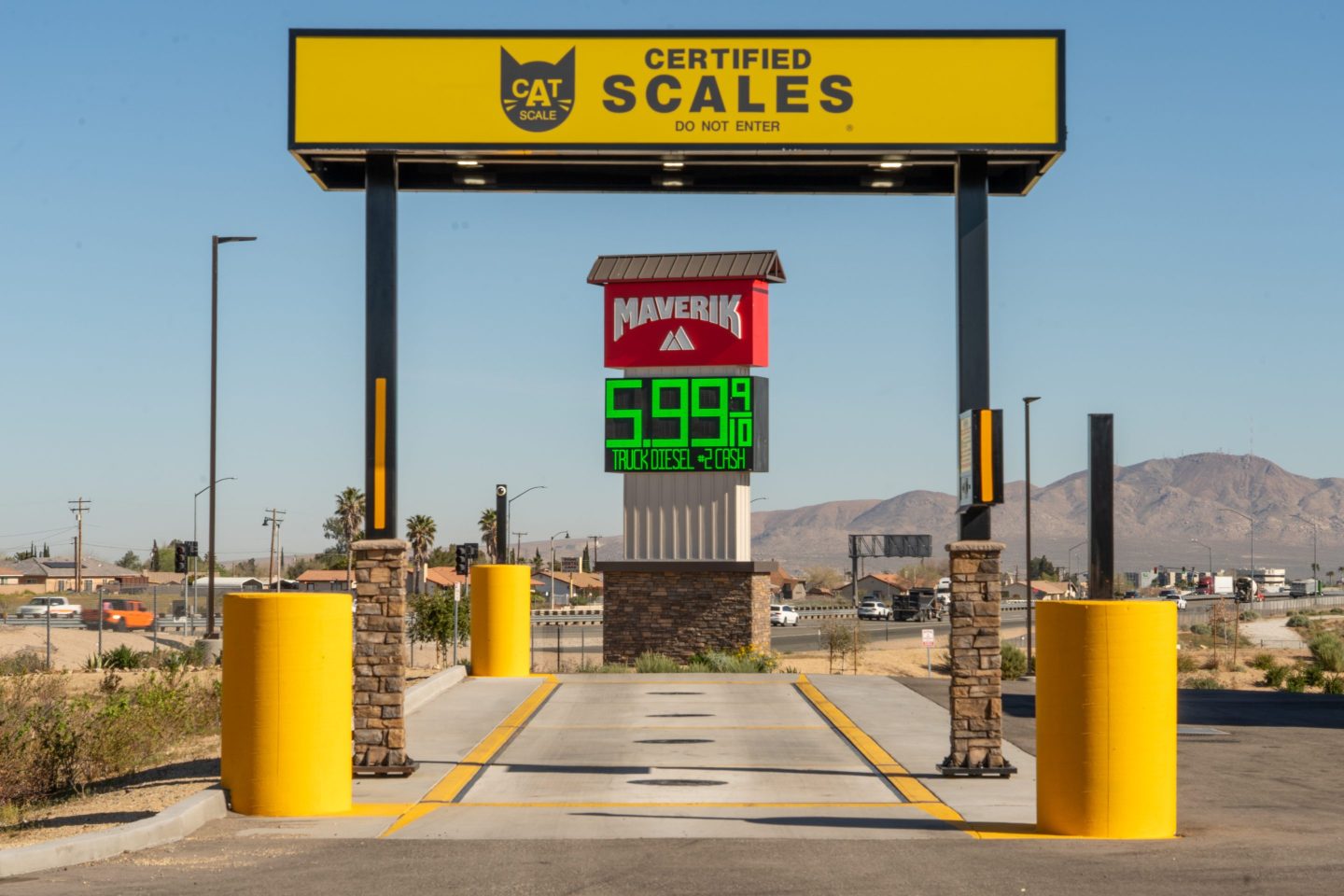
The price moves come on top of what has already been one of the strongest oil rallies in years. Brent has surged roughly 80% since the conflict began, driven largely by the near-total shutdown of tanker traffic through the Strait of Hormuz, the chokepoint that handles about 20% of global oil and gas flows. The IEA last week announced the largest emergency reserve release in its history—400 million barrels—and the U.S. committed to tapping 172 million barrels from the Strategic Petroleum Reserve over 120 days. So far, the reserves have done little to contain prices. Gas prices have spiked to the highest levels since 2023, up nearly a dollar since the war with Iran began.
But the spike in WTI crude, the benchmark for Texas oil, is nothing compared to what’s happening across the Pacific. Dubai crude—the pricing benchmark for Asian buyers—hit an all-time high above $150 a barrel last week. Oman crude settled above $152 on Monday. WTI, meanwhile, is trading around $96 in the U.S. That’s an unprecedented $50-plus gap for the same commodity, which normally has a spread of $5-$8. Physical crude in Asia is also trading at a nearly $40 premium over its paper equivalent, a sign that actual barrels are far scarcer than futures suggest.
Analysts fear that the shortage in Asia could conflagrate into a more dire global scenario if the war continues. Rory Johnston, a commodities analyst specializing in oil, wrote that the longer the Strait stays closed, the more Asia’s supply shortage becomes everyone’s problem.
“Nearly everyone expected this to be over by this point,” Johnston wrote on X. Asian refiners are now sourcing barrels from further afield, he said, a sign that regional scarcity could soon become global scarcity.