Oil has cleared $100 a barrel and could be on its way to $150.
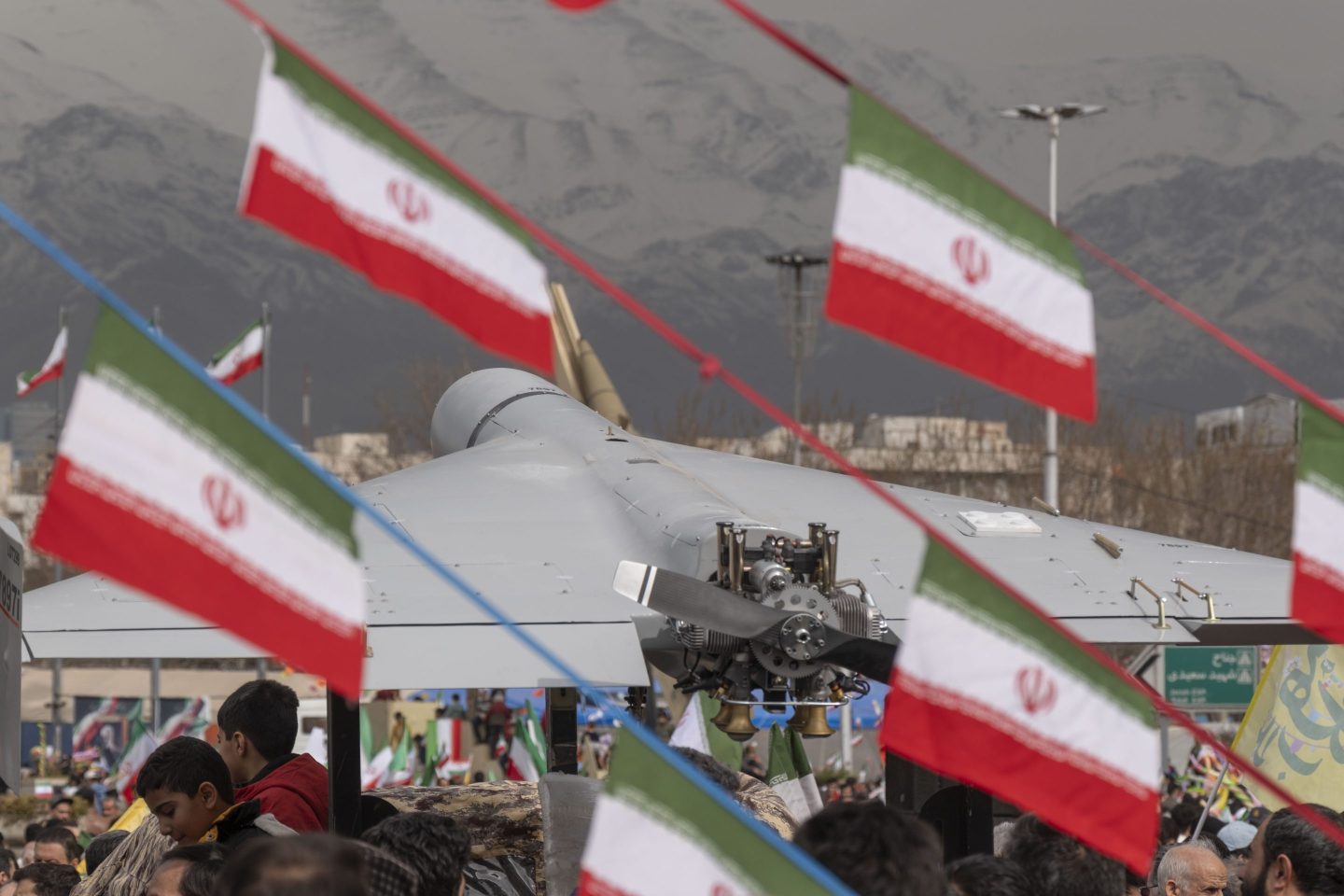
The Strait of Hormuz — a narrow waterway through which roughly a fifth of the world’s oil supply passes — has effectively closed to tanker traffic amid the escalating U.S.-Israeli strikes on Iran. Once again, the global economy is discovering the same uncomfortable truth: Modern energy security depends on supply chains that can break overnight.
The pattern is all too familiar. A geopolitical shock hits the global oil supply chain, and prices surge. It happened in the 1970s, in 1990, in 2003. It’s happening now.
The modern energy system was built around a simple assumption: Fuel is produced in a few places and consumed everywhere else. Oil is extracted in one region, refined in another, and shipped thousands of miles through pipelines, canals, and maritime chokepoints before reaching the end user.
When that chain works, it is remarkably efficient. When it breaks, the effects ripple globally almost overnight. Japan imports roughly 90 percent of its oil from the Middle East. Bangladesh has called for fuel rationing. South Korea has capped gasoline prices for the first time since the Asian financial crisis.
The issue isn’t just oil supply. It’s the structure of the system itself. The world runs on a centralized fuel production model designed for the industrial geography of the 20th century — a handful of massive refineries producing enormous volumes of fuel that must then move through fragile global logistics networks to reach markets. That model made strategic sense when control over oil reserves meant control over energy. But it also created a system where a single blocked canal, damaged refinery, or closed shipping lane can disrupt entire economies.
Today, an alternative is beginning to emerge. Across defense programs, industrial research labs, and energy startups, a new class of fuel systems is being developed that can produce synthetic fuels locally using carbon dioxide, hydrogen, and electricity — manufacturing fuel where it is needed rather than shipping it thousands of miles. The idea sounds radical. In reality, it reflects a broader shift already underway: from centralized production to distributed systems. Solar power decentralized electricity generation. Data centers decentralized computing. A similar shift may now be underway in fuel.
The scale of the system being disrupted is enormous. The world consumes roughly 100 million barrels of oil per day, supporting a multi-trillion-dollar refining, shipping, and storage network built around centralized infrastructure. Even a modest shift toward localized production would represent one of the largest industrial transitions in modern energy history. The rapid expansion of AI infrastructure is already reshaping global energy demand — data centers could consume nearly 1,000 terawatt-hours of electricity annually by 2030, roughly equivalent to Japan’s total electricity consumption — making energy systems that can generate power and manufacture fuel locally increasingly strategically valuable.
The economics of that shift become clearest in environments where traditional logistics break down. In remote or contested regions, the fully delivered cost of diesel or jet fuel can reach $100 to $400 per gallon once transport, protection, and storage are factored in. Military planners have long understood that moving fuel is often more expensive — and more dangerous — than producing it. The Pentagon has identified on-site fuel production as a strategic priority, funding development of deployable systems capable of generating jet fuel or diesel directly in the field. Similar efforts are emerging across Europe and Asia.
Critics are quick to point out that synthetic fuels cost more than conventional ones — and they’re right, for now. But that comparison ignores the full cost of the existing system, including the geopolitical risk premiums embedded in global oil supply chains. One common objection is that synthetic fuel production requires a fully built-out green hydrogen ecosystem before it’s viable. It doesn’t. Production can start today using available feedstocks and gets cleaner as inputs improve.
Every generation experiences its own oil shock. Each time, governments scramble to stabilize supply while markets absorb the economic impact. What’s different today is that the technology to change the structure of the system is beginning to exist.
Energy security has historically meant securing access to oil reserves. In the next era, it may mean something different: the ability to produce fuel wherever it is needed, using whatever resources are available.
The nations and industries that develop that capability first will hold a different kind of strategic advantage. They won’t need to control the oil. They’ll simply be able to make the fuel.
The opinions expressed in Fortune.com commentary pieces are solely the views of their authors and do not necessarily reflect the opinions and beliefs of Fortune.