Cancer is not a monolith.
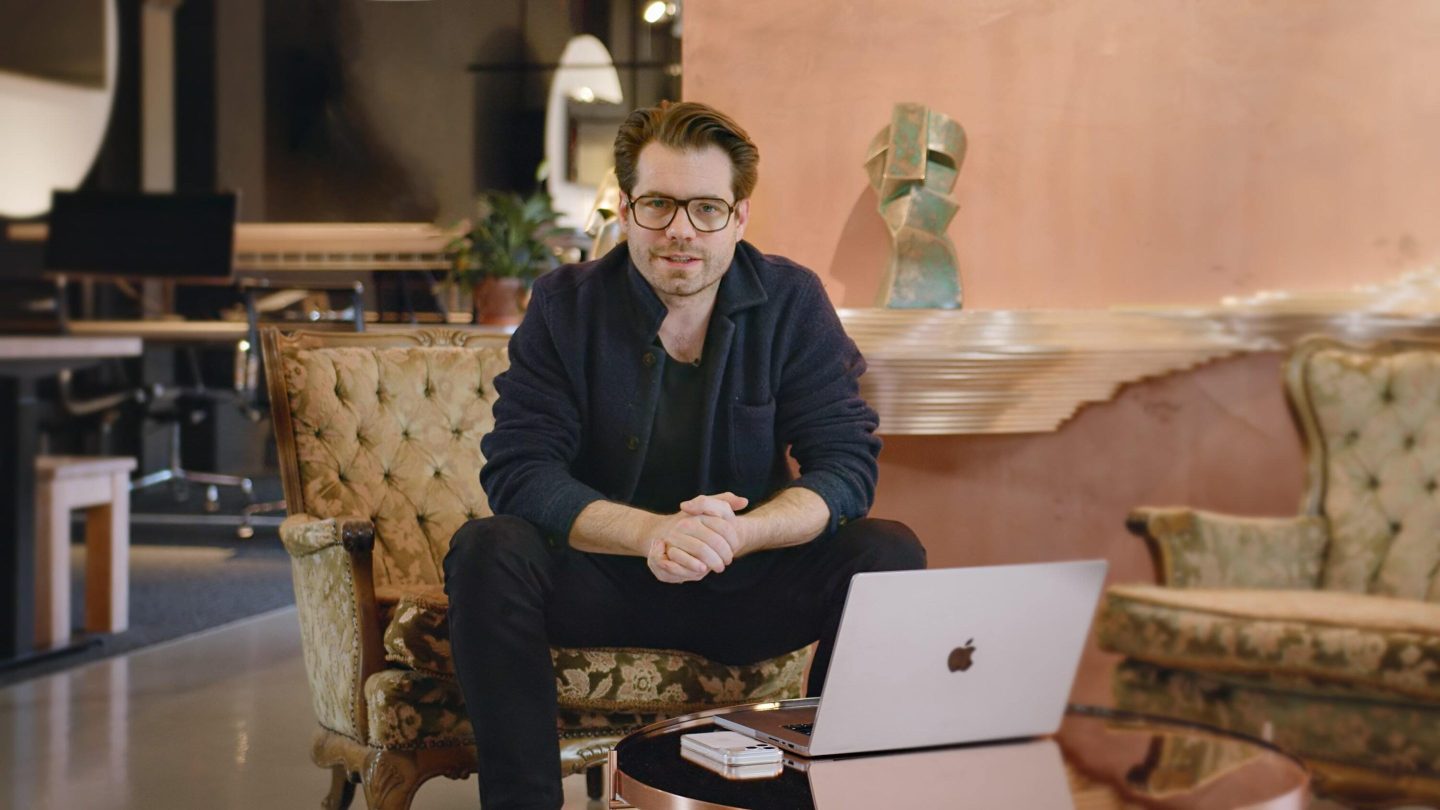
“We speak about cancer like it’s one disease, but it’s more like thousands of different diseases,” said Simone Korsgaard Jensen, founder and CEO of Radical Health. “On top of that, every single individual is so different. But right now we still treat it with a one-size-fits-all approach. And that’s where data and AI can especially step in to help.”
In 2024, Jensen started Radical Health through the Entrepreneurs First accelerator program with this idea: that AI’s unique ability to analyze massive quantities of data and turn around probabilistic, personalized feedback could reinvent how patients navigate the cancer treatment process.
“The only way we can [search all available research and data] is using AI,” Jensen told Fortune. “AI can make treatment recommendations from looking at 10 million patients from the past, find the most similar patients, and reason through that.”
Radical has just emerged from stealth, having raised $5 million in pre-seed funding led by Khosla Ventures. Vinod Khosla, Khosla Ventures founder, said via email that he was drawn to the prospect that Radical could democratize information around cancer treatment by scaling “the expertise of the best oncologists.”
To that end, Radical’s model is built on a combination of public data and patient data drawn from partnerships with UCSF and the Mayo Clinic. The data includes imaging, radiology, pathology, genetic data, and patient records—covering more than 10 million cases. And for patients, it works more or less like other apps: Sign up, link medical records, and then, after about an hour, the system kicks back a personalized report. The report recommends therapies and strategies that patients often share with their oncologists. The app is currently free and available to the general public.
One patient, who spoke to Fortune on the condition of anonymity since she’s in the middle of treatment, said that Radical helped give her the tools to have better conversations with her doctors. It’s also helped her feel like she has agency.
“Trust was something that I’ve been battling with so much throughout this entire experience,” she said. “Any decision is obviously high-stakes, and no treatment is without risks: ‘This regimen that we’re putting you on has heart toxicity. This other one has an increased risk of leukemia.’ The really beautiful thing about Radical is that, unlike any one oncologist, it feels very objective.”