• Home
  • Latest
  • Fortune 500
  • Finance
  • Tech
  • Leadership
  • Lifestyle
  • Rankings
  • Multimedia

Trendingnow

1

Jeff Bezos wants the bottom half of earners to pay zero income tax—he says nurses making just $75K should save $12K a year

2

The river that supplies 40 million Americans is down to 23% — and about to make a $25 million bet on one fish

3

Jamie Dimon said the American Dream was slipping away. JPMorgan just put $40 million on the table to fix it

1

Jeff Bezos wants the bottom half of earners to pay zero income tax—he says nurses making just $75K should save $12K a year

2

The river that supplies 40 million Americans is down to 23% — and about to make a $25 million bet on one fish

3

Jamie Dimon said the American Dream was slipping away. JPMorgan just put $40 million on the table to fix it
CommentaryEntrepreneurship

I’m a CEO who’s built, scaled and turned around companies. The next arms race in business isn’t about supply chains or rate cuts — it’s about predictability

By
Scott Cannon
Scott Cannon
Down Arrow Button Icon
By
Scott Cannon
Scott Cannon
Down Arrow Button Icon
November 24, 2025, 9:00 AM ET
Scott Cannon is the CEO of BigRentz, a construction procurement technology platform transforming how contractors source and manage equipment and services
Scott Cannon
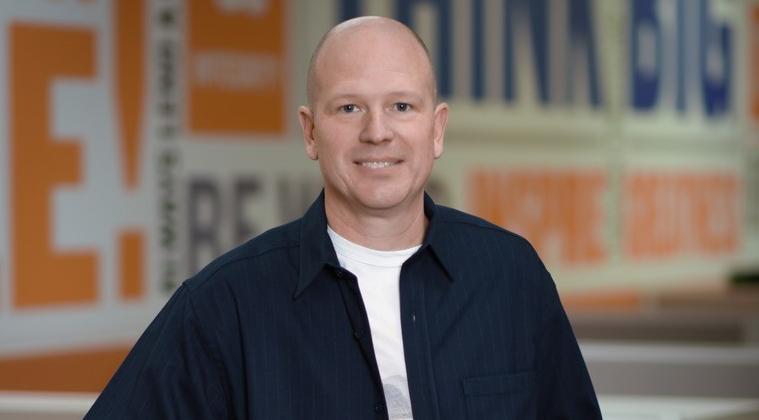
Scott Cannon, CEO of BigRentz.courtesy of BigRentz

After 20 years spent building, fixing and scaling companies, I’ve learned the hardest thing to manufacture isn’t growth — it’s predictability. 

Recommended Video

I’ve led a global logistics company through a turnaround that tripled revenue and ended in a successful acquisition by UPS. I’ve overseen the transformation of a construction equipment rental marketplace into a vertically integrated, AI-powered procurement platform that’s helping reshape how the massive jobsite economy runs. Across those experiences (and others), from private-equity boardrooms to field operations, the same thing has been true. The real arms race hasn’t been over artificial intelligence, interest rates or supply chains — it’s been over stability.

For decades, executives have described turbulent markets with a simple acronym: VUCA — volatility, uncertainty, complexity, ambiguity. Today, VUCA is not a concept — it’s reality. Tariff shifts, supply chain shocks and labor shortages are now structural features of the global economy.

In a high-volatility, low-growth world (U.S. GDP is projected to hover under 2%) leaders who win are the ones who can engineer predictability inside that chaos — building systems that perform, regardless of what the Fed or the market does next. 

Input Instability

Regardless of sector or company size, 25-basis-point rate cuts typically don’t matter if the price of raw inputs swings wildly. That’s the situation construction firms have faced for years. Since 2020, input prices have risen nearly 40%. In just the first quarter of 2025 they climbed at a 9.7% annualized rate. 

Despite these jarring figures, contractors remain busy. However, margins are eroding. Fewer than 2% of contractors expect profit margins to increase in the next six months. This is the burden of unpredictability. Without stable input costs, even healthy pipelines are unstable under margin pressure. 

Rate cuts provide confidence at the edges — but predictability keeps projects profitable.

Policy Volatility

Then there are shocks imposed not by markets but by governments. Tariffs, subsidies and regulatory swings can change the rules of the game overnight. At a high level, more than half of U.S. companies report tariff-driven margin pressure. 

An analysis of more than 300,000 retail products found that prices were moderating after the pandemic, only to accelerate again once new tariffs took effect — underscoring how policy shocks, not interest rates, often drive pressure. This is unpredictability in its purest form: the rules of the game change mid-match. 

Recent data underscores how fragile the environment has become. Spending on factory manufacturing facilities development has fallen from its 2024 peak as companies pause projects amid tariff uncertainty and rising import costs. Even firms benefitting from reshoring incentives have alluded to delaying expansion until trade policy stabilizes. 

Rate cuts can ease financing costs, but they can’t stabilize an unstable policy environment. 

Workforce Uncertainty

Finally, rate cuts don’t matter when there aren’t enough people to get the work done. That’s the bottleneck that businesses across industries are running into.

To illustrate the point, across the U.S., more than one million trade jobs remain unfilled — including nearly 500,000 in manufacturing — as retirements outpace new entrants and vocational pipelines fall short. Demand is booming — fueled by projects like infrastructure spending and AI data centers — but execution is hampered by a lack of electricians, welders, HVAC techs and other skilled workers. That shortage is being worsened by immigration crackdowns, which have made it more difficult for some facilities to hire workers.

This is unpredictability in its most human form. Financing can get the ball rolling, but without people to do the work, progress stalls, regardless of industry.

The Path Forward

The work of creating predictability starts with practical, often unglamorous moves. 

Procurement intelligence can help firms get ahead of input volatility, using data and forecasting to stabilize costs before they spiral. Supply chain resilience — whether through diversified sourcing, supplier redundancy or nearshoring — turns tariff shocks from existential threats into manageable business expenses. And workforce investment, from trade schools to apprenticeships to smarter immigration policy, is the only real answer to the labor shortages that no interest rate cut can fix.

This is the new arms race in business — building certainty in an uncertain world. Companies that can manufacture their own predictability will trade at higher multiples, attract stronger partners and outlast competitors who mistake rate relief for a strategy.

Like electricity, predictability is invisible until it’s gone. Rate cuts may brighten the room for a moment, but it’s the infrastructure of predictability that keeps the lights on.

The opinions expressed in Fortune.com commentary pieces are solely the views of their authors and do not necessarily reflect the opinions and beliefs of Fortune.

About the Author
By Scott Cannon
See full bioRight Arrow Button Icon

Latest in Commentary

Finance
Lorem ipsum dolor sit amet, consectetur adipiscing elit, sed do eiusmod tempor incididunt ut labore et dolore magna aliqua. Ut enim ad minim veniam
By Fortune Editors
October 20, 2025
Finance
Lorem ipsum dolor sit amet, consectetur adipiscing elit, sed do eiusmod tempor incididunt ut labore et dolore magna aliqua. Ut enim ad minim veniam
By Fortune Editors
October 20, 2025
Finance
Lorem ipsum dolor sit amet, consectetur adipiscing elit, sed do eiusmod tempor incididunt ut labore et dolore magna aliqua. Ut enim ad minim veniam
By Fortune Editors
October 20, 2025
Finance
Lorem ipsum dolor sit amet, consectetur adipiscing elit, sed do eiusmod tempor incididunt ut labore et dolore magna aliqua. Ut enim ad minim veniam
By Fortune Editors
October 20, 2025
Finance
Lorem ipsum dolor sit amet, consectetur adipiscing elit, sed do eiusmod tempor incididunt ut labore et dolore magna aliqua. Ut enim ad minim veniam
By Fortune Editors
October 20, 2025
Finance
Lorem ipsum dolor sit amet, consectetur adipiscing elit, sed do eiusmod tempor incididunt ut labore et dolore magna aliqua. Ut enim ad minim veniam
By Fortune Editors
October 20, 2025

Most Popular

Finance
Lorem ipsum dolor sit amet, consectetur adipiscing elit, sed do eiusmod tempor incididunt ut labore et dolore magna aliqua. Ut enim ad minim veniam
By Fortune Editors
October 20, 2025
Finance
Lorem ipsum dolor sit amet, consectetur adipiscing elit, sed do eiusmod tempor incididunt ut labore et dolore magna aliqua. Ut enim ad minim veniam
By Fortune Editors
October 20, 2025
Finance
Lorem ipsum dolor sit amet, consectetur adipiscing elit, sed do eiusmod tempor incididunt ut labore et dolore magna aliqua. Ut enim ad minim veniam
By Fortune Editors
October 20, 2025
Finance
Lorem ipsum dolor sit amet, consectetur adipiscing elit, sed do eiusmod tempor incididunt ut labore et dolore magna aliqua. Ut enim ad minim veniam
By Fortune Editors
October 20, 2025
Finance
Lorem ipsum dolor sit amet, consectetur adipiscing elit, sed do eiusmod tempor incididunt ut labore et dolore magna aliqua. Ut enim ad minim veniam
By Fortune Editors
October 20, 2025
Finance
Lorem ipsum dolor sit amet, consectetur adipiscing elit, sed do eiusmod tempor incididunt ut labore et dolore magna aliqua. Ut enim ad minim veniam
By Fortune Editors
October 20, 2025
Fortune Secondary Logo
Rankings
  • 100 Best Companies
  • Fortune 500
  • Global 500
  • Fortune 500 Europe
  • Most Powerful Women
  • World's Most Admired Companies
  • See All Rankings
  • Lists Calendar
Sections
  • Finance
  • Fortune Crypto
  • Features
  • Leadership
  • Health
  • Commentary
  • Success
  • Retail
  • Mpw
  • Tech
  • Lifestyle
  • CEO Initiative
  • Asia
  • Politics
  • Conferences
  • Europe
  • Newsletters
  • Personal Finance
  • Environment
  • Magazine
  • Education
Customer Support
  • Frequently Asked Questions
  • Customer Service Portal
  • Privacy Policy
  • Terms Of Use
  • Single Issues For Purchase
  • International Print
Commercial Services
  • Advertising
  • Fortune Brand Studio
  • Fortune Analytics
  • Fortune Conferences
  • Business Development
  • Group Subscriptions
About Us
  • About Us
  • Press Center
  • Work At Fortune
  • Terms And Conditions
  • Site Map
  • About Us
  • Press Center
  • Work At Fortune
  • Terms And Conditions
  • Site Map
  • Facebook icon
  • Twitter icon
  • LinkedIn icon
  • Instagram icon
  • Pinterest icon

Latest in Commentary

lee
Commentarystock exchanges
Texas Stock Exchange CEO: exchanges can build on Exxon’s retail model to rein in proxy advisors
By James H. LeeMay 28, 2026
3 hours ago
suerken
CommentaryRestaurants
Wendy’s U.S. President: the CEO burger battles exposed a truth every brand leader needs to hear
By Pete SuerkenMay 28, 2026
5 hours ago
g
CommentaryTraining
We gave our 5,000 employees a week to do nothing but learn AI. We learned the biggest blockers are human ones 
By Rob GiglioMay 28, 2026
6 hours ago
bd
CommentaryLeadership
The boardroom wants answers on AI. Are you ready?
By Brandi ThomasMay 28, 2026
8 hours ago
ai
CommentaryGoogle
How Sam Altman fooled Sundar Pichai — and pushed Google into cannibalizing itself
By Sunil SharanMay 27, 2026
1 day ago
g
CommentaryLeadership
I’ve been a CEO for 25 years. The AI hype and hysteria is getting old
By Gil MandelzisMay 27, 2026
1 day ago

Most Popular

Jeff Bezos wants the bottom half of earners to pay zero income tax—he says nurses making just $75K should save $12K a year
Success
Jeff Bezos wants the bottom half of earners to pay zero income tax—he says nurses making just $75K should save $12K a year
By Preston ForeMay 21, 2026
7 days ago
The river that supplies 40 million Americans is down to 23% — and about to make a $25 million bet on one fish
Environment
The river that supplies 40 million Americans is down to 23% — and about to make a $25 million bet on one fish
By Dorany Pineda, Brittany Peterson and The Associated PressMay 27, 2026
1 day ago
Jamie Dimon said the American Dream was slipping away. JPMorgan just put $40 million on the table to fix it
Banking
Jamie Dimon said the American Dream was slipping away. JPMorgan just put $40 million on the table to fix it
By Nick LichtenbergMay 27, 2026
1 day ago
Current price of oil as of May 27, 2026
Personal Finance
Current price of oil as of May 27, 2026
By Joseph HostetlerMay 27, 2026
1 day ago
Even if every California billionaire left tomorrow, it would take 25 years for the state to lose as much as it stands to gain from proposed wealth tax
Economy
Even if every California billionaire left tomorrow, it would take 25 years for the state to lose as much as it stands to gain from proposed wealth tax
By Tristan BoveMay 27, 2026
1 day ago
Techlash grows in education: 'My daughter went to middle school and was sent home with a screen addiction in her backpack'
North America
Techlash grows in education: 'My daughter went to middle school and was sent home with a screen addiction in her backpack'
By Jocelyn Gecker and The Associated PressMay 26, 2026
2 days ago

© 2026 Fortune Media IP Limited. All Rights Reserved. Use of this site constitutes acceptance of our Terms of Use and Privacy Policy | CA Notice at Collection and Privacy Notice | Do Not Sell/Share My Personal Information
FORTUNE is a trademark of Fortune Media IP Limited, registered in the U.S. and other countries. FORTUNE may receive compensation for some links to products and services on this website. Offers may be subject to change without notice.