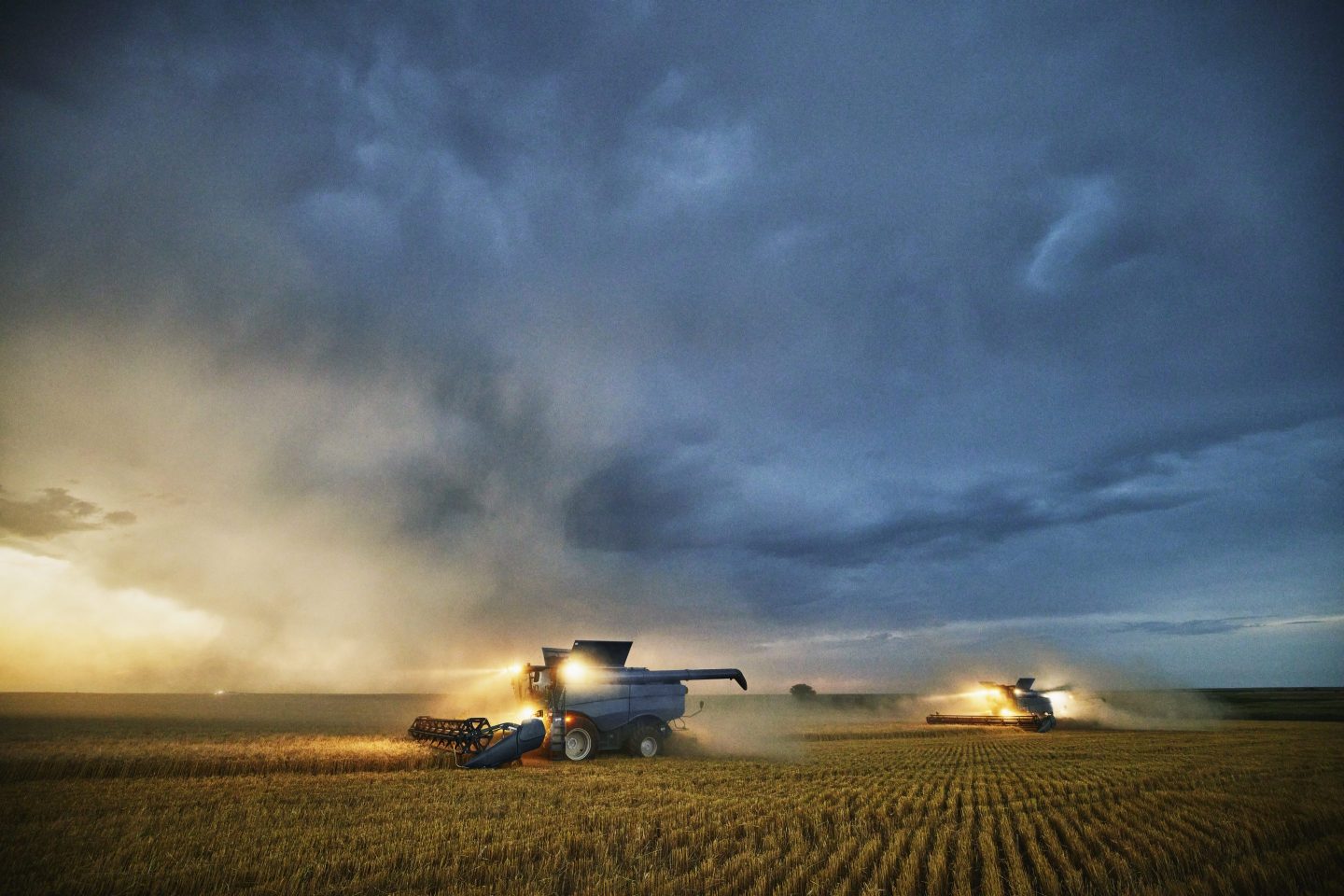
The 40th Farm Aid benefit concert is being held on Saturday as the economic outlook for rural America is the gloomiest it’s been in decades.
A survey released by the National Corn Growers Association (NCGA) on Wednesday showed that 46% believe the U.S. is on the brink of a farm crisis, and another 33% said maybe.
Meanwhile, about two-thirds said they are more concerned about their financial situation compared to a year ago, with 58% postponing equipment purchases, 38% reducing fertilizer applications and 22% looking for more off-farm income.
“These findings point to a once-in-a-generation problem for the agricultural economy,” said NCGA Chief Economist Krista Swanson said in a statement. “The survey findings suggest that this crisis could have a long reach, affecting every area of the economy, as farmers are less likely to make purchases and will certainly make budget cuts that could affect their local communities.”
The bleak survey results mirrored similarly downbeat readings in the Purdue University-CME Group Ag Economy Barometer Index, which fell 10 points in August to 125. A subindex on expectations for the future dropped 16 points to 123, the lowest since last September.
That’s as crop prices have plunged from their 2022 peak, while production costs remain near record highs.
Last month, the NCGA called on Congress and the Trump administration to boost demand, including via higher blends of ethanol and increased foreign market access, as it sounded the alarm on an “economic crisis hitting rural America.”
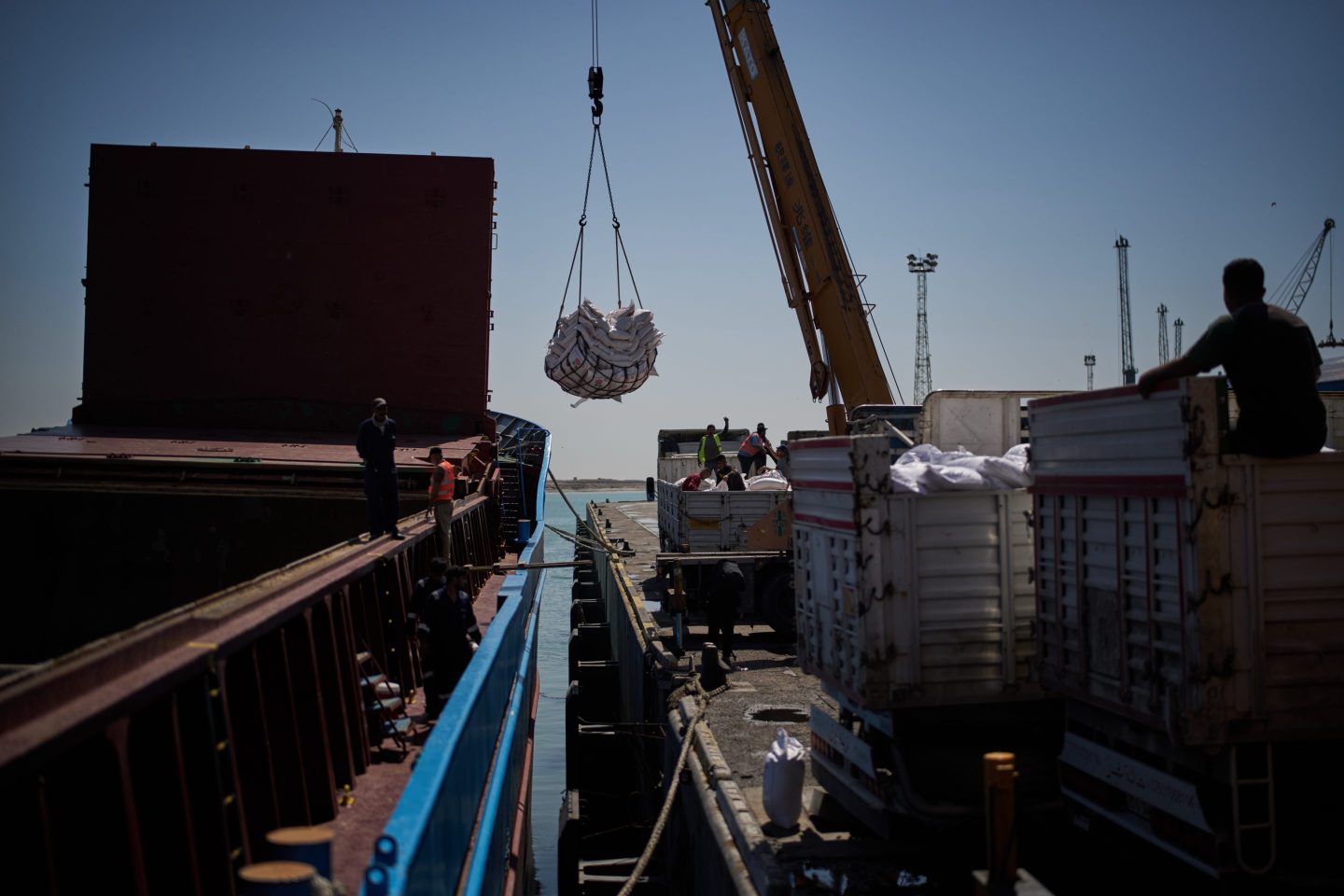
Meanwhile, export demand has suffered amid President Donald Trump’s trade war, which has hit certain crops especially hard.
The American Soybean Association sent a letter to Trump last month, warning that “U.S. soybean farmers are standing at a trade and financial precipice.” With harvest season near, China hasn’t purchased any U.S. soybeans for the months ahead, it added, despite being the top buyer historically.
The group said U.S. soybean farmers cannot survive a prolonged trade dispute with China and urged Trump to prioritize soybeans in talks with Beijing.
But on Friday, Trump didn’t mention anything about agricultural exports after a call with Chinese President Xi Jinping. Prices for soybeans, corn and wheat all fell yesterday.
To be sure, U.S. farmers are set to receive substantial help. The One Big Beautiful Bill Act that was signed in July included about $66 billion in agriculture-focused spending. The vast majority, about $59 billion, is earmarked for farm safety-net enhancements, according to the American Farm Bureau Federation.
And Trump is weighing a bailout program for farmers that would use tariff income, Agriculture Secretary Brooke Rollins told the Financial Times on Wednesday.
American Soybean Association CEO Stephen Censky told Farm Journal’s AgWeb on Friday that government assistance gets “capitalized” over the longer term, meaning payments offer limited overall relief for farmers who subsequently see rents and other costs go up too.
“It’s tough, and I can hear it in the stress in our members’ voices. Our members and our board of directors are really concerned right now,” Censky, who served as deputy agriculture secretary in Trump’s first term, said. “Some say if things don’t turn around, if we don’t get markets back or if we get economic assistance — which is not our first choice — this could be their last year in farming. That’s pretty scary.”