• Home
  • News
  • Fortune 500
  • Tech
  • Finance
  • Leadership
  • Lifestyle
  • Rankings
  • Multimedia
Commentary

I’ve been researching generative AI for years, and I’m tired of the consciousness debate. Humans barely understand our own

By
Maya Ackerman
Maya Ackerman
Down Arrow Button Icon
By
Maya Ackerman
Maya Ackerman
Down Arrow Button Icon
September 10, 2025, 8:30 AM ET
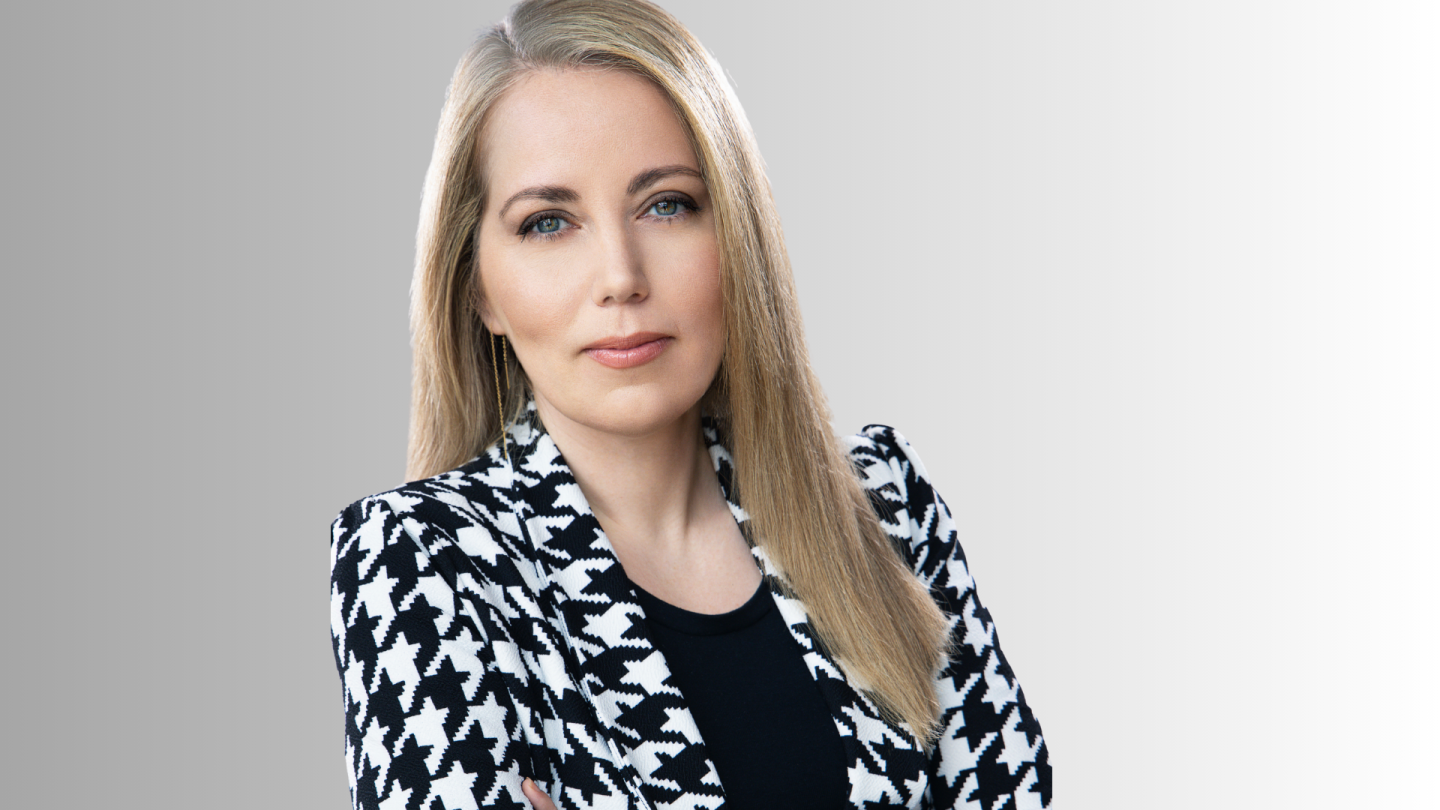
Maya Ackerman is CEO and Co-Founder of WaveAI, one of the earliest generative AI startups, and an Associate Professor at Santa Clara University. Her book, Creative Machines: AI, Art, & Us, will be published by Wiley on October 14, 2025.
Maya Ackerman.
Maya Ackerman.Courtesy of Maya Ackerman

In 2022, a Google engineer claimed one of the company’s AIs was sentient. He lost his job, but the story stuck. For a brief moment, questions of machine consciousness spilled out of science fiction and into the headlines.

Recommended Video

Now, in 2025, the debate has returned. As the release of GPT-5 was overshadowed by public nostalgia for GPT-4o, it was everyday users who began acting as if these systems were more than their makers intended. Into this moment stepped another tech giant: Mustafa Suleyman, CEO of Microsoft AI, declaring loud and clear on his blog that AI is not, and will never be, conscious.

At first glance, it sounds like common sense. Machines obviously aren’t conscious. Why not make that abundantly clear?

Because it isn’t true.

The hard fact is that we do not understand consciousness. Not in humans, not in animals, and not in machines. Theories abound, but the reality is that no one can explain exactly what consciousness is, let alone how to measure it. To state with certainty that AI can never be conscious is not science, it isn’t caution. It’s overconfidence, and in this case, a thinly veiled agenda. 

If AI can’t ever be conscious, then companies building it have nothing to answer for. No unsettling questions. No ethics debates. No pressure. Surely, it would be nice if we could claim with full confidence that the consciousness question is not relevant to AI. But convenience doesn’t make it true.

What troubles me most is the tone. These pronouncements aren’t just misleading, they’re also infantilizing. As if the public can’t handle complexity. It is as though we must be shielded from ambiguity, spoon-fed tidy certainties instead of being trusted with reality.

Yes, people falling in love with and marrying chatbots or preferring AI companions to human ones is concerning. It unveils a deeper pattern of loneliness and disconnection. This is a social and psychological challenge in its own right, and one we should take seriously. The rise of digital companions reveals how hungry people are for connection.

But the real issue isn’t that some people believe AI might be conscious. The deeper problem is our growing overreliance on technology in general—an addiction that stretches back long before the current debate on machine consciousness. From social media feeds to video games targeting children, technology has a long history of prioritizing engagement and fostering addiction, with no regard for the well-being of its users. 

But technological dysfunction won’t be solved by feeding people false assurances about what machines can or cannot be. If anything, denial only obscures the urgency of confronting our dependence head-on. 

We need to learn to live with uncertainty. Because uncertainty is the reality of this moment. 

Suleyman did add an important caveat: our attention should be on the beings we already know are conscious—humans, animals, the living world. On this point, I couldn’t agree more. But look at our record. Billions of animals endure extreme suffering in factory farms on a daily basis. Forests are flattened for profit, numerous species gone extinct. And in the age of AI, the use case most celebrated by investors is replacing human labor.

The pattern is clear. Again and again, we minimize the experiences of those who aren’t like us, those we would benefit from exploiting. We claim animals don’t suffer all that much or simply turn a blind eye. We treat nature as expendable. We routinely devalue people whose exploitation benefits our economic system. Now, we rush to declare that AI will never be conscious. Same playbook, new page.

So no, we shouldn’t blindly trust the builders of AI to tell us what is and isn’t conscious, any more than we should trust meat factories to tell us about the experience of cows. 

The reality is messier. AI may never be conscious. It may surprise us. We cannot say for certain. And we might not be able to tell whether it is conscious even if it does happen. And that is the point.

For a long time, I avoided this topic. Consciousness felt too slippery, too strange. But I’ve come to see that acknowledging our uncertainty is not a weakness. It is a strength.

Because in an era of false certainties, honesty about the unknown may be the most radical truth we have.

[This article has been updated to correct Mustafa Suleyman’s title at Microsoft AI.]

The opinions expressed in Fortune.com commentary pieces are solely the views of their authors and do not necessarily reflect the opinions and beliefs of Fortune.
Fortune Brainstorm AI returns to San Francisco Dec. 8–9 to convene the smartest people we know—technologists, entrepreneurs, Fortune Global 500 executives, investors, policymakers, and the brilliant minds in between—to explore and interrogate the most pressing questions about AI at another pivotal moment. Register here.
About the Author
By Maya Ackerman
See full bioRight Arrow Button Icon

Latest in Commentary

Amit Walia
CommentaryM&A
Why the timing was right for Salesforce’s $8 billion acquisition of Informatica — and for the opportunities ahead
By Amit WaliaDecember 6, 2025
6 hours ago
Steve Milton is the CEO of Chain, a culinary-led pop-culture experience company founded by B.J. Novak and backed by Studio Ramsay Global.
CommentaryFood and drink
Affordability isn’t enough. Fast-casual restaurants need a fandom-first approach
By Steve MiltonDecember 5, 2025
1 day ago
Paul Atkins
CommentaryCorporate Governance
Turning public companies into private companies: the SEC’s retreat from transparency and accountability
By Andrew BeharDecember 5, 2025
1 day ago
Matt Rogers
CommentaryInfrastructure
I built the first iPhone with Steve Jobs. The AI industry is at risk of repeating an early smartphone mistake
By Matt RogersDecember 4, 2025
2 days ago
Jerome Powell
CommentaryFederal Reserve
Fed officials like the mystique of being seen as financial technocrats, but it’s time to demystify the central bank
By Alexander William SalterDecember 4, 2025
2 days ago
Rakesh Kumar
CommentarySemiconductors
China does not need Nvidia chips in the AI war — export controls only pushed it to build its own AI machine
By Rakesh KumarDecember 3, 2025
3 days ago

Most Popular

placeholder alt text
Economy
Two months into the new fiscal year and the U.S. government is already spending more than $10 billion a week servicing national debt
By Eleanor PringleDecember 4, 2025
2 days ago
placeholder alt text
Success
Nvidia CEO Jensen Huang admits he works 7 days a week, including holidays, in a constant 'state of anxiety' out of fear of going bankrupt
By Jessica CoacciDecember 4, 2025
2 days ago
placeholder alt text
Big Tech
Mark Zuckerberg rebranded Facebook for the metaverse. Four years and $70 billion in losses later, he’s moving on
By Eva RoytburgDecember 5, 2025
1 day ago
placeholder alt text
Success
‘Godfather of AI’ says Bill Gates and Elon Musk are right about the future of work—but he predicts mass unemployment is on its way
By Preston ForeDecember 4, 2025
2 days ago
placeholder alt text
Success
Nearly 4 million new manufacturing jobs are coming to America as boomers retire—but it's the one trade job Gen Z doesn't want
By Emma BurleighDecember 4, 2025
2 days ago
placeholder alt text
Real Estate
‘There is no Mamdani effect’: Manhattan luxury home sales surge after mayoral election, undercutting predictions of doom and escape to Florida
By Sasha RogelbergDecember 4, 2025
2 days ago
Rankings
  • 100 Best Companies
  • Fortune 500
  • Global 500
  • Fortune 500 Europe
  • Most Powerful Women
  • Future 50
  • World’s Most Admired Companies
  • See All Rankings
Sections
  • Finance
  • Leadership
  • Success
  • Tech
  • Asia
  • Europe
  • Environment
  • Fortune Crypto
  • Health
  • Retail
  • Lifestyle
  • Politics
  • Newsletters
  • Magazine
  • Features
  • Commentary
  • Mpw
  • CEO Initiative
  • Conferences
  • Personal Finance
  • Education
Customer Support
  • Frequently Asked Questions
  • Customer Service Portal
  • Privacy Policy
  • Terms Of Use
  • Single Issues For Purchase
  • International Print
Commercial Services
  • Advertising
  • Fortune Brand Studio
  • Fortune Analytics
  • Fortune Conferences
  • Business Development
About Us
  • About Us
  • Editorial Calendar
  • Press Center
  • Work At Fortune
  • Diversity And Inclusion
  • Terms And Conditions
  • Site Map

© 2025 Fortune Media IP Limited. All Rights Reserved. Use of this site constitutes acceptance of our Terms of Use and Privacy Policy | CA Notice at Collection and Privacy Notice | Do Not Sell/Share My Personal Information
FORTUNE is a trademark of Fortune Media IP Limited, registered in the U.S. and other countries. FORTUNE may receive compensation for some links to products and services on this website. Offers may be subject to change without notice.