• Home
  • Latest
  • Fortune 500
  • Finance
  • Tech
  • Leadership
  • Lifestyle
  • Rankings
  • Multimedia

Trendingnow

1

Current price of oil as of June 16, 2026

2

Team USA star Ricardo Pepi grew up in a trailer in El Paso—and his parents pawned their car title to fuel his soccer dream. Now, he’s in the World Cup

3

Current price of oil as of June 15, 2026

1

Current price of oil as of June 16, 2026

2

Team USA star Ricardo Pepi grew up in a trailer in El Paso—and his parents pawned their car title to fuel his soccer dream. Now, he’s in the World Cup

3

Current price of oil as of June 15, 2026
CommentaryBroadband

The billion-dollar remote work opportunity that rural America can’t reach

By
Bob Hellman
Bob Hellman
Down Arrow Button Icon
By
Bob Hellman
Bob Hellman
Down Arrow Button Icon
August 16, 2025, 9:00 AM ET

Bob Hellman is CEO of American Infrastructure Partners, a private investment firm focused on sustainable infrastructure solutions across the United States.

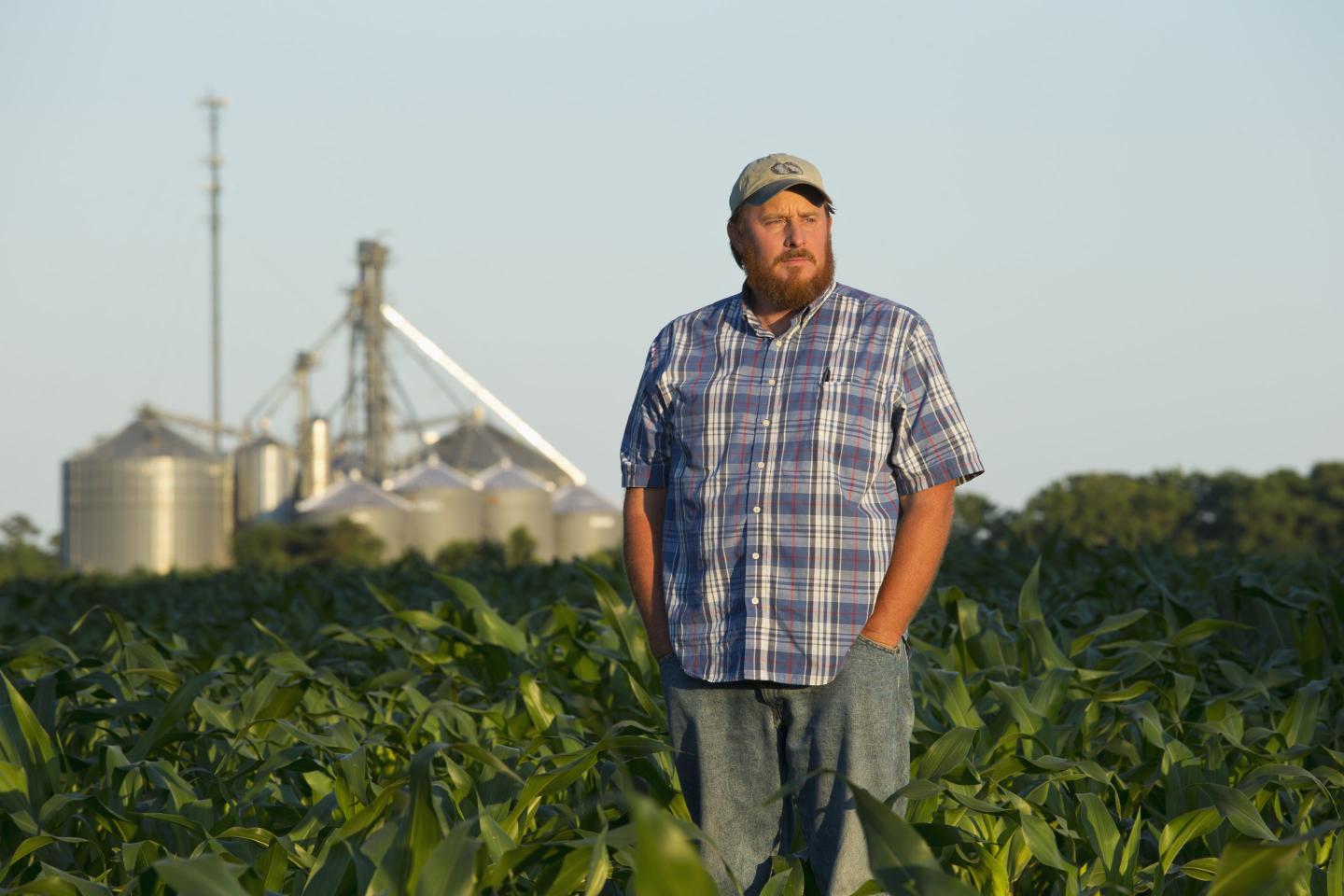
Farmer
Rural workers are willing to work.Getty Images
Add Fortune on Google for similar content.

The U.S. has spent billions to bring broadband to rural communities—but many of the people it’s meant to help still aren’t logging on.

Recommended Video

Unless governments focus on adoption—not just access—they risk funding infrastructure that goes unused, while rural Americans remain cut off from healthcare, education, and the growing remote job market that today represents nearly a quarter of the U.S. workforce.

Most public discussion around rural broadband has centered on availability. Federal and state programs have rightly prioritized reaching remote areas, building towers, and upgrading last-mile delivery. But access doesn’t guarantee uptake. Across rural America, broadband networks are expanding—yet adoption remains stubbornly low in many regions.

As recently as 2021, nearly one in five rural households did not subscribe to a broadband service. Among those, nearly 25% said they simply weren’t interested. This wasn’t about affordability or technical skill—it was a matter of relevance.

By 2023, broadband adoption had surpassed 80% among younger rural adults, but dropped sharply with age. Just 68% of rural adults over 75 had broadband. Among those aged 65–74, adoption hovered around 71%, compared to over 80% for adults under 50.

This divide is as generational as it is geographic. Most younger residents are already online. What remains are older Americans who haven’t found a reason to change long-standing habits.

Even in communities where broadband is already available, uptake lags for reasons that go beyond infrastructure or cost. Without demand, access doesn’t translate into impact.

These usage patterns reflect long-established habits. A study of broadband deployment in rural Missouri found that most early adopters used their new connection primarily for entertainment. Only half engaged with applications like telehealth or remote work. Even after access is delivered, usage often stays stuck in the past.

The cost of disconnection

The economic implications are real. Counties with high broadband adoption see stronger job growth, higher self-employment, and greater income gains. Nationally, about 22% of the workforce—roughly 32 million Americans—now works remotely at least part of the time, compared to just 6% before the pandemic. While the Covid-era boom in remote or hybrid work has cooled, the share of remote-capable jobs remains an enduring opportunity for rural communities positioned to take advantage of it. But while three-quarters of mid-career rural workers say they’re willing to train for those jobs, most say they haven’t taken any courses to do so — often because they lack the broadband access to even start.

We’ve seen this before. In the mid-20th century, rural electrification and telephone service faced similar hurdles. Infrastructure wasn’t enough. Outreach, financing, and cultural adaptation were required — especially to reach older residents. It took years of effort to shift behavior and build trust.

There are modern parallels. The Affordable Connectivity Program helped low-income households get online—but it didn’t close the gap. Those who benefited most were already inclined to value broadband. The people who remained offline tended to be older, more isolated, and less convinced of its relevance.

Rural clinics have seen this firsthand. Many invested in telehealth platforms—only to find older patients still preferred phone calls. Even basic digital engagement, like using patient portals, lags in many areas. In Ohio and West Virginia, providers report low digital adoption among seniors despite widespread broadband availability.

Local employers face similar challenges. Remote roles go unfilled because applicants lack digital confidence. Older caregivers often struggle to support kids’ online homework. In parts of Appalachia, internet access exists, but without digital literacy, it remains underused. These are behavioral problems. They have nothing to do with infrastructure.

The real last mile

Solving the broadband adoption gap must begin at the local level. National subsidies help build networks, but the harder work happens in places where trust already exists and outreach can take hold — in neighborhoods, schools, libraries and clinics. These places and resources serve as anchors in many rural communities and are well positioned to explain how broadband supports everyday needs. 

Some states have created digital navigator programs that train local leaders to help residents use the internet with confidence. And here’s an idea that’s as simple as it gets: why not offer a year of free service to help people figure out how broadband fits into their daily lives? If relevance is the hurdle, trial access may be the bridge. Both strategies focus on showing value through use, not just access.

But without local engagement, the gap is likely to grow. Young people may leave in search of digital opportunity. Older adults may become more isolated. The economic benefits of broadband depend on broad participation. If large portions of a community remain offline, the return on investment will fall short.The federal government has laid the physical foundation. The next phase requires a social strategy—one that supports education, outreach, and trial access. Residents need more than the option to connect. They need a reason to log on, whether it’s talking to a doctor from home, helping their child with homework, or landing a remote job that pays a city salary from the country kitchen table.

The opinions expressed in Fortune.com commentary pieces are solely the views of their authors and do not necessarily reflect the opinions and beliefs of Fortune.

About the Author
By Bob Hellman
See full bioRight Arrow Button Icon
Add Fortune on Google for similar content.

Latest in Commentary

Finance
Lorem ipsum dolor sit amet, consectetur adipiscing elit, sed do eiusmod tempor incididunt ut labore et dolore magna aliqua. Ut enim ad minim veniam
By Fortune Editors
October 20, 2025
Finance
Lorem ipsum dolor sit amet, consectetur adipiscing elit, sed do eiusmod tempor incididunt ut labore et dolore magna aliqua. Ut enim ad minim veniam
By Fortune Editors
October 20, 2025
Finance
Lorem ipsum dolor sit amet, consectetur adipiscing elit, sed do eiusmod tempor incididunt ut labore et dolore magna aliqua. Ut enim ad minim veniam
By Fortune Editors
October 20, 2025
Finance
Lorem ipsum dolor sit amet, consectetur adipiscing elit, sed do eiusmod tempor incididunt ut labore et dolore magna aliqua. Ut enim ad minim veniam
By Fortune Editors
October 20, 2025
Finance
Lorem ipsum dolor sit amet, consectetur adipiscing elit, sed do eiusmod tempor incididunt ut labore et dolore magna aliqua. Ut enim ad minim veniam
By Fortune Editors
October 20, 2025
Finance
Lorem ipsum dolor sit amet, consectetur adipiscing elit, sed do eiusmod tempor incididunt ut labore et dolore magna aliqua. Ut enim ad minim veniam
By Fortune Editors
October 20, 2025

Most Popular

Finance
Lorem ipsum dolor sit amet, consectetur adipiscing elit, sed do eiusmod tempor incididunt ut labore et dolore magna aliqua. Ut enim ad minim veniam
By Fortune Editors
October 20, 2025
Finance
Lorem ipsum dolor sit amet, consectetur adipiscing elit, sed do eiusmod tempor incididunt ut labore et dolore magna aliqua. Ut enim ad minim veniam
By Fortune Editors
October 20, 2025
Finance
Lorem ipsum dolor sit amet, consectetur adipiscing elit, sed do eiusmod tempor incididunt ut labore et dolore magna aliqua. Ut enim ad minim veniam
By Fortune Editors
October 20, 2025
Finance
Lorem ipsum dolor sit amet, consectetur adipiscing elit, sed do eiusmod tempor incididunt ut labore et dolore magna aliqua. Ut enim ad minim veniam
By Fortune Editors
October 20, 2025
Finance
Lorem ipsum dolor sit amet, consectetur adipiscing elit, sed do eiusmod tempor incididunt ut labore et dolore magna aliqua. Ut enim ad minim veniam
By Fortune Editors
October 20, 2025
Finance
Lorem ipsum dolor sit amet, consectetur adipiscing elit, sed do eiusmod tempor incididunt ut labore et dolore magna aliqua. Ut enim ad minim veniam
By Fortune Editors
October 20, 2025
Fortune Secondary Logo
Rankings
  • 100 Best Companies
  • Fortune 500
  • Global 500
  • Fortune 500 Europe
  • Most Powerful Women
  • World's Most Admired Companies
  • See All Rankings
  • Lists Calendar
Sections
  • Finance
  • Fortune Crypto
  • Features
  • Leadership
  • Health
  • Commentary
  • Success
  • Retail
  • Mpw
  • Tech
  • Lifestyle
  • CEO Initiative
  • Asia
  • Politics
  • Conferences
  • Europe
  • Newsletters
  • Personal Finance
  • Environment
  • Magazine
  • Education
Customer Support
  • Frequently Asked Questions
  • Customer Service Portal
  • Privacy Policy
  • Terms Of Use
  • Single Issues For Purchase
  • International Print
Commercial Services
  • Advertising
  • Fortune Brand Studio
  • Fortune Analytics
  • Fortune Conferences
  • Business Development
  • Group Subscriptions
About Us
  • About Us
  • Press Center
  • Work At Fortune
  • Terms And Conditions
  • Site Map
  • About Us
  • Press Center
  • Work At Fortune
  • Terms And Conditions
  • Site Map
  • Facebook icon
  • Twitter icon
  • LinkedIn icon
  • Instagram icon
  • Pinterest icon

Latest in Commentary

cj
CommentaryIBM
IBM’s $17 million DOJ settlement makes the case for civility
By Carolynn JohnsonJune 16, 2026
24 hours ago
Vietnam has bold plans for its economic future. It will need U.S. tech, capital, and speed to make them happen
CommentaryVietnam
Vietnam has bold plans for its economic future. It will need U.S. tech, capital, and speed to make them happen
By Brian McFeeters and Vu Tu ThanhJune 14, 2026
3 days ago
ivan
CommentaryMidwest
The Sun Belt boom is over. Midwest real-estate investors say ‘I told you so’
By Ivan BarrattJune 14, 2026
3 days ago
t
CommentaryTariffs
A quartz countertop tariff could double your kitchen renovation cost — and kill 13 jobs for every one it creates
By Steve SwedbergJune 14, 2026
3 days ago
nexstar
CommentaryAntitrust
Nexstar CEO: big tech swallowed local newspapers. Local TV could be next
By Perry A. SookJune 14, 2026
3 days ago
ravi
CommentaryWeather and forecasting
I spent 8 years flood-proofing a city. Capital markets are running out of time to take El Niño seriously
By Ravi S. BhallaJune 13, 2026
4 days ago

Most Popular

Current price of oil as of June 16, 2026
Personal Finance
Current price of oil as of June 16, 2026
By Joseph HostetlerJune 16, 2026
22 hours ago
Team USA star Ricardo Pepi grew up in a trailer in El Paso—and his parents pawned their car title to fuel his soccer dream. Now, he’s in the World Cup
Success
Team USA star Ricardo Pepi grew up in a trailer in El Paso—and his parents pawned their car title to fuel his soccer dream. Now, he’s in the World Cup
By Preston ForeJune 15, 2026
2 days ago
Current price of oil as of June 15, 2026
Personal Finance
Current price of oil as of June 15, 2026
By Joseph HostetlerJune 15, 2026
2 days ago
Cursor’s 25-year-old CEO is a former Google intern who just cemented a $60 billion deal with SpaceX
AI
Cursor’s 25-year-old CEO is a former Google intern who just cemented a $60 billion deal with SpaceX
By Marco Quiroz-GutierrezJune 16, 2026
22 hours ago
Hundreds of Stanford students walked out of their grad ceremony to protest Google CEO’s commencement speech. It wasn’t all about AI
Big Tech
Hundreds of Stanford students walked out of their grad ceremony to protest Google CEO’s commencement speech. It wasn’t all about AI
By Tristan BoveJune 15, 2026
2 days ago
'Work hard, stay loyal, and the system will reward you': the Boomer credo is a Gen X betrayal and a Millennial pipe dream
Success
'Work hard, stay loyal, and the system will reward you': the Boomer credo is a Gen X betrayal and a Millennial pipe dream
By Nick LichtenbergJune 16, 2026
22 hours ago

© 2026 Fortune Media IP Limited. All Rights Reserved. Use of this site constitutes acceptance of our Terms of Use and Privacy Policy | CA Notice at Collection and Privacy Notice | Do Not Sell/Share My Personal Information
FORTUNE is a trademark of Fortune Media IP Limited, registered in the U.S. and other countries. FORTUNE may receive compensation for some links to products and services on this website. Offers may be subject to change without notice.