In recent years, companies have largely abandoned the “move fast and break things” approach, popularized by tech giants in the early 2000s, recognizing the risks of prioritizing speed over sustainable long-term growth. However, in today’s era of rapid disruption and heightened competition, the need for speed is making a comeback.
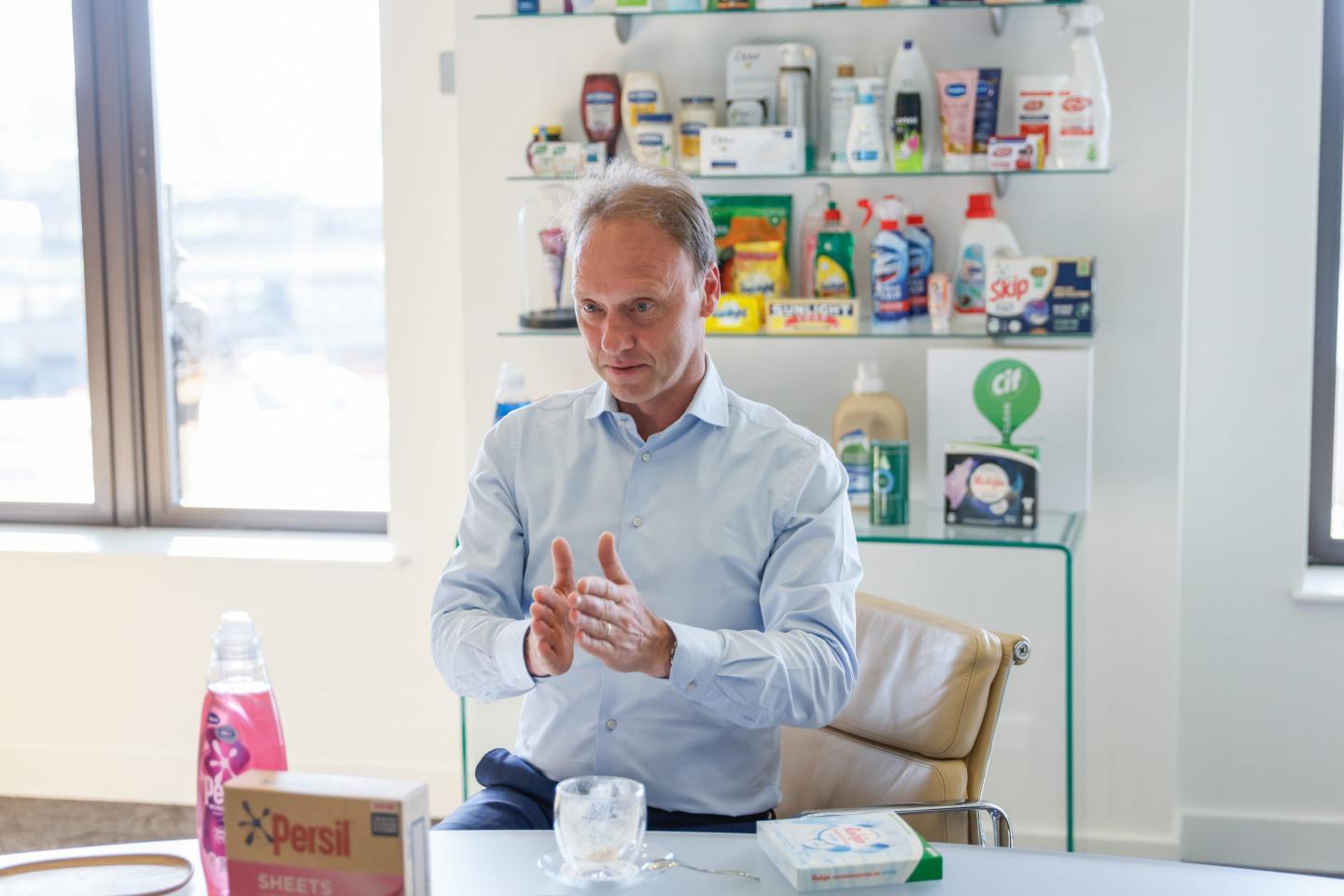
Unilever’s sudden leadership shakeup last week exemplifies this shift. The company behind Dove and Ben & Jerry’s announced that CEO Hein Schumacher would step down after less than two years in the role. Despite implementing a strategic overhaul—including cost reductions, plans to spin off the ice cream division, and a sharpened focus on core brands—the board determined that progress was too slow, particularly compared to industry rivals like Nestlé and Procter & Gamble. In response, CFO Fernando Fernandez was named the new CEO, signaling an urgency to accelerate Unilever’s turnaround.
The decision stunned many, including Schumacher himself, as his early results had been promising. Since he assumed the role, Unilever shares have risen by approximately 10%, reflecting investor confidence in his strategy. Yet, the board had higher expectations, demanding not just growth but faster growth. Chairman Ian Meakins underscored this urgency in a statement: “The Growth Action Plan (GAP) has put Unilever on a path to higher performance, and the Board is committed to accelerating its execution,” he wrote. “While the Board is pleased with Unilever’s performance in 2024, there is much further to go to deliver best-in-class results.”
Unilever’s bold decision to fast replace a well-regarded CEO—one who had delivered positive, albeit modest growth—highlights the intense pressure on executives today. Simply put, good performance isn’t good enough. CEOs are expected not just to succeed but to outperform competitors at record speed.
Beyond speed, leadership style appears to have played a role in the decision. As I’ve noted in a previous newsletter, companies are increasingly favoring leaders who are aggressive, mercenary, and willing to push change swiftly. According to the Financial Times, insiders described Fernandez as “abrasive” yet “decisive” and a leader who would move far quicker than Schumacher, whose leadership style was considered “cuddlier.” One analyst at Bernstein described Fernandez as “fiery and charismatic,” while Schumacher was more “understated.”
Whether Fernandez’s leadership will deliver the rapid transformation Unilever desires remains to be seen. But one thing is certain: Companies today aren’t just demanding results—they want them immediately.
Separately, I’m attending SXSW from March 8 through March 12 and holding meetings with leaders at Fortune 500 companies. Shoot me a line if you’d like to meet.
Ruth Umoh
ruth.umoh@fortune.com
Today’s newsletter was curated by Lily Mae Lazarus.
Smarter in seconds
New kid. Companies are increasingly looking outward for their next CEO
Live and learn. How great leaders turn failure into fuel for growth
Merit badge. Can businesses ever run a true meritocracy?
Leadership lesson
Berkshire Hathaway CEO Warren Buffet on publicly owning up to errors: “The cardinal sin is delaying the correction of mistakes or what Charlie Munger called ‘thumb-sucking.’ Problems, he would tell me, cannot be wished away. They require action, however uncomfortable that may be.”
News to know
U.S. inflation is on the rise again as businesses and consumers brace for tariff pressures. Bloomberg
President Trump will impose an additional 10% tariff on Chinese imports and move forward with levies on Mexico and Canada beginning March 4. China has vowed to retaliate. CNBC
The European Commission plans to relax rules on company climate reports as officials attempt to promote competitiveness and ease regulatory burdens on businesses. NYT
Amazon revealed its first quantum computing chip one week after Microsoft claimed it achieved a quantum computing breakthrough. CNBC
Tesla shareholders are giving Elon Musk a taste of his own DOGE medicine after its stock dropped for several consecutive days. They took to social media site X to ask what he’s done for them lately. Fortune
Microsoft announced its plan to shutter Skype, the two-decade-old internet calling service that redefined how people connect, as it prioritizes Teams. Reuters