
• Home
  • Latest
  • Fortune 500
  • Finance
  • Tech
  • Leadership
  • Lifestyle
  • Rankings
  • Multimedia
SuccessChina

China’s wealthy shoppers have a new mentality—and it’s terrible news for luxury brands like LVMH and Kering who bet billions on their loyalty

Emma Burleigh
By
Emma Burleigh
Emma Burleigh
Reporter, Success
Down Arrow Button Icon
Emma Burleigh
By
Emma Burleigh
Emma Burleigh
Reporter, Success
Down Arrow Button Icon
February 11, 2025, 12:03 PM ET
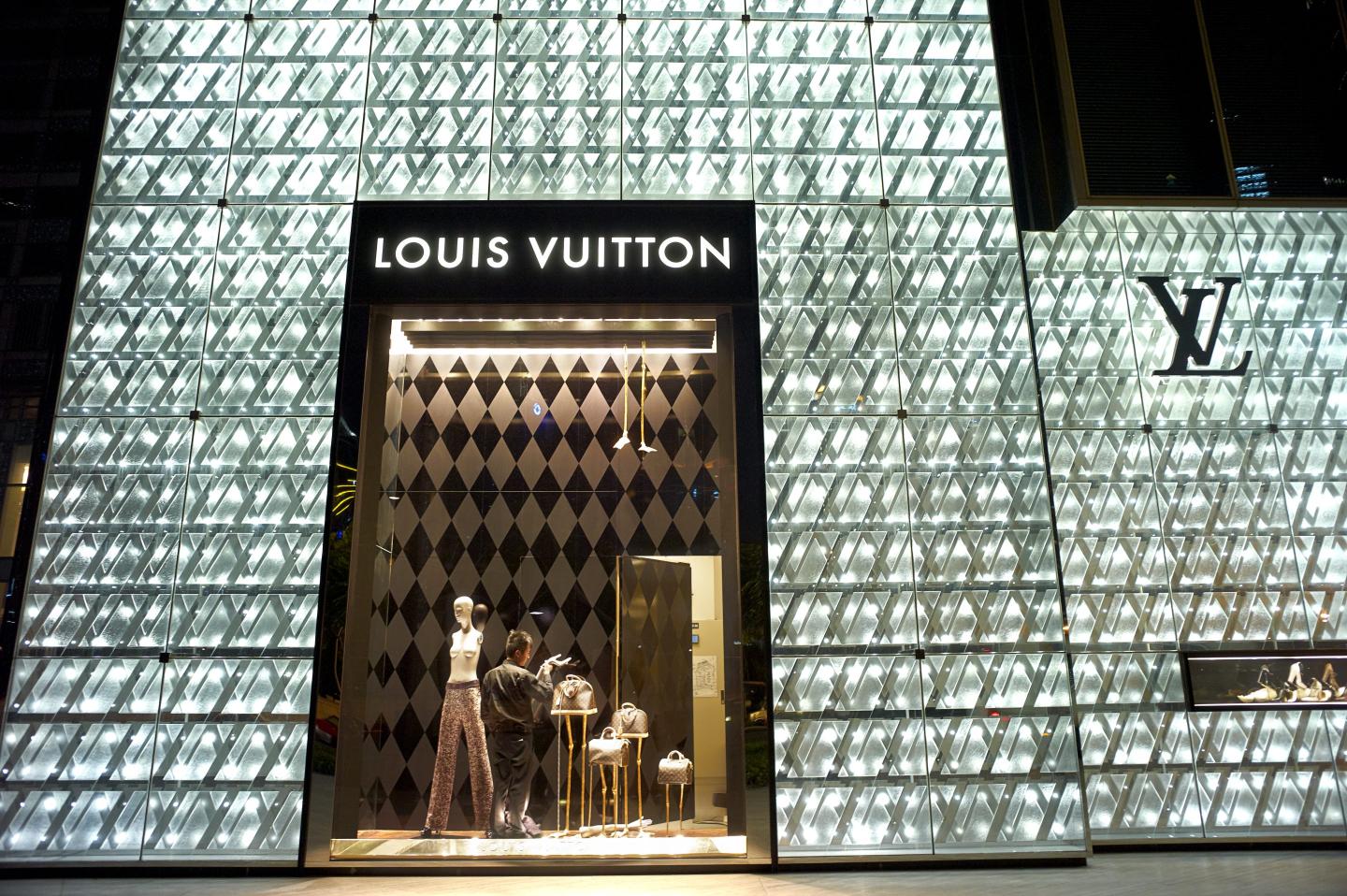
Louis Vuitton store in Shanghai
After luxury companies invested billions in China’s market, the country’s consumers turned to new pricey purchases. xPACIFICA / Getty Images
  • LVMH, Kering, Burberry, and Moncler have been hit hard after pouring money into Chinese consumers who have now turned their back on luxury. They are now choosing to spend their money in new ways.

Chinese consumers were once the crown jewel of customers for luxury brands. But fashion houses like LVMH and Kering have fallen out of favor with the country’s wealthy elite. 

Recommended Video

Just a few years ago, China was the darling of luxe spending; from 2017 to 2021, the luxury market in the country tripled in size. Shoppers were obsessed with conspicuous consumption, and China became the new focus for fashion conglomerates hoping to revel in that growth. But then the COVID-19 pandemic struck, and the country went into lockdown. At the time, the majority of luxury goods purchased by Chinese shoppers were picked up in travel hotspots like Paris, London, and New York. When in-person shopping and jet-setting came to a halt, retail giants like LVMH and Kering brought business inside the country. It proved to be a crippling business mistake.

These fashion titans believed the Chinese luxury boom would only propel upward, but tension among consumers was simmering under the surface. Buyers were financially stretched thin and having a change of heart in terms of how they spent their money. The new Louis Vuitton bag or flashy Versace dress was no longer as appealing—they wanted to be more practical and invest for the long run. The shift to a more practical mentality bludgeoned luxury houses.

The big fashion brands’ earnings reports in recent years showed how changing Chinese tastes have impacted the industry. The share prices of luxury brands tanked in 2024—Kering plummeted 39.4%, Burberry fell 30%, LVMH dropped 13%, and Moncler dipped 7.8% last year alone. LVMH reported its worst company performance since the global financial crisis. 

Chinese consumers have turned their backs on upscale fashion for a few reasons. A large part of this has to do with the country’s economic slowdown following the pandemic; housing and employment slumps tend to reduce flashy purchases, even if the wealthy aren’t hurting. Wealthy Chinese consumers also shifted perspective, preferring to invest their money in high-end property or experiences instead of the latest fashions. 

Brands broke promises

Over the past two years, 50 million consumers have fled the luxury market. Brands aren’t keeping their promises with consumers: they’re charging more for the same products. 

“Since 2019, there’s been a high price increase across luxury without a corresponding increase in innovation, service, quality, or appeal that a luxury brand should provide,” Marie Driscoll, an equity analyst focused on luxury retail, told Fortune. “This year, that really hit consumers, and we felt the full impact.”

Chinese shoppers caught wind of this during lockdown, and started to jump ship. The country’s economy was in a slump, and middle-class wealth was being bulldozed by a weak property market. With rising luxury prices and nowhere to show off their newest purchases, consumers became disillusioned with buying high-end goods. At the same time, “dupe” culture was sweeping the internet. Thrifty shoppers were copping a fake Prada bag for a fraction of the price, and the stigma of wearing knockoffs dissipated.

There was also one group in particular that felt alienated: young, aspirational workers. They once represented more than half of China’s luxury consumers. But work has been hard to come by in recent years. China’s urban unemployment rate reached a sky-high 21.3% in June 2023, compared to the national rate of 5.2% at the time. 

Because of these factors—aside from the new things they’re purchasing—luxury fashion houses are struggling to recover from their investments in China. LVMH’s organic sales among Asian consumers, excluding Japan, dipped by 14% in the three months to June 2024, after falling 6% in the first quarter that year. Burberry has issued several profit warnings over sluggish sales in the region, and the company reported in 2024 that its full-year operating profits dropped 34%. Fashion titan Kering, the parent company of Gucci, Saint Laurent, and Balenciaga, also saw its first quarter revenue decline 11% last year. 

“Kering’s performance worsened considerably in the first quarter. While we had anticipated a challenging start to the year, sluggish market conditions, notably in China, and the strategic repositioning of certain of our Houses, starting with Gucci, exacerbated downward pressures on our topline,” the business wrote in a press release. 

Read more from Fortune

  • This entrepreneurial couple cashed out their 401(k)s and sold a $126 million company—now, they run a U.K. soccer team
  • Trump’s 25% tariffs are backfiring and threatening Gen Z’s trade career aspirations—putting car manufacturing jobs in peril
  • Gen Z women are being sold a risky dream: the realities behind ‘investing’ in designer bags like the Hermès Birkin
  • Like Tim Cook and Gen Z, AEG’s top exec eats the same lunch most days and wears the same outfit
  • Warren Buffett reveals the unique education strategy he took in school—and eventually paid off with a $170 billion fortune
  •  

    Property over Prada

    Wealthy Chinese consumers have new priorities. Owning high-end property has solidified as the primary status symbol in China—especially as the housing market struggles.

    Buying real estate has long been a promise of success in the country. During the 1990s and 2000s, Chinese consumers poured their money into property—so much so that about 70% of the country’s household wealth is stored in their homes. But that bubble burst when the central government reined in developers’ ability to borrow money easily, halting many homes in development. Now many middle-class Chinese families are still waiting for the properties they were once promised. Those who are rich see an investment opportunity in being able to afford and purchase luxury homes that are already built.

    There’s another thing Chinese shoppers are chasing, that can’t be bought: life experiences. 

    Like many of their international peers, these young consumers grew disillusioned with their luxury purchases; any fulfillment that they once got from splurging on brand-name items started to dissipate. Luxury goods weren’t getting better, and prices were rising. Consumerism was reaching a breaking point. Young Chinese people wanted to experience things, rather than own them. They realized owning nice things didn’t make them happier.

    “They’re prioritizing either financial investments or prioritizing spending in other categories they deem more important to them,” Nicolas Llinas-Carrizosa, a BCG partner focused on luxury, told Fortune.

    At the Fortune Workplace Innovation Summit, Fortune 500 leaders will convene to explore the defining questions shaping the workforce of the future—delivering bold ideas, powerful connections, and actionable insights for building resilient organizations for the decade ahead. Join Fortune May 19–20 in Atlanta. Register now.
    About the Author
    Emma Burleigh
    By Emma BurleighReporter, Success

    Emma Burleigh is a reporter at Fortune, covering success, careers, entrepreneurship, and personal finance. Before joining the Success desk, she co-authored Fortune’s CHRO Daily newsletter, extensively covering the workplace and the future of jobs. Emma has also written for publications including the Observer and The China Project, publishing long-form stories on culture, entertainment, and geopolitics. She has a joint-master’s degree from New York University in Global Journalism and East Asian Studies.

    See full bioRight Arrow Button Icon

    Latest in Success

    Finance
    Lorem ipsum dolor sit amet, consectetur adipiscing elit, sed do eiusmod tempor incididunt ut labore et dolore magna aliqua. Ut enim ad minim veniam
    By Fortune Editors
    October 20, 2025
    Finance
    Lorem ipsum dolor sit amet, consectetur adipiscing elit, sed do eiusmod tempor incididunt ut labore et dolore magna aliqua. Ut enim ad minim veniam
    By Fortune Editors
    October 20, 2025
    Finance
    Lorem ipsum dolor sit amet, consectetur adipiscing elit, sed do eiusmod tempor incididunt ut labore et dolore magna aliqua. Ut enim ad minim veniam
    By Fortune Editors
    October 20, 2025
    Finance
    Lorem ipsum dolor sit amet, consectetur adipiscing elit, sed do eiusmod tempor incididunt ut labore et dolore magna aliqua. Ut enim ad minim veniam
    By Fortune Editors
    October 20, 2025
    Finance
    Lorem ipsum dolor sit amet, consectetur adipiscing elit, sed do eiusmod tempor incididunt ut labore et dolore magna aliqua. Ut enim ad minim veniam
    By Fortune Editors
    October 20, 2025
    Finance
    Lorem ipsum dolor sit amet, consectetur adipiscing elit, sed do eiusmod tempor incididunt ut labore et dolore magna aliqua. Ut enim ad minim veniam
    By Fortune Editors
    October 20, 2025

    Most Popular

    Finance
    Lorem ipsum dolor sit amet, consectetur adipiscing elit, sed do eiusmod tempor incididunt ut labore et dolore magna aliqua. Ut enim ad minim veniam
    By Fortune Editors
    October 20, 2025
    Finance
    Lorem ipsum dolor sit amet, consectetur adipiscing elit, sed do eiusmod tempor incididunt ut labore et dolore magna aliqua. Ut enim ad minim veniam
    By Fortune Editors
    October 20, 2025
    Finance
    Lorem ipsum dolor sit amet, consectetur adipiscing elit, sed do eiusmod tempor incididunt ut labore et dolore magna aliqua. Ut enim ad minim veniam
    By Fortune Editors
    October 20, 2025
    Finance
    Lorem ipsum dolor sit amet, consectetur adipiscing elit, sed do eiusmod tempor incididunt ut labore et dolore magna aliqua. Ut enim ad minim veniam
    By Fortune Editors
    October 20, 2025
    Finance
    Lorem ipsum dolor sit amet, consectetur adipiscing elit, sed do eiusmod tempor incididunt ut labore et dolore magna aliqua. Ut enim ad minim veniam
    By Fortune Editors
    October 20, 2025
    Finance
    Lorem ipsum dolor sit amet, consectetur adipiscing elit, sed do eiusmod tempor incididunt ut labore et dolore magna aliqua. Ut enim ad minim veniam
    By Fortune Editors
    October 20, 2025
    Fortune Secondary Logo
    Rankings
    • 100 Best Companies
    • Fortune 500
    • Global 500
    • Fortune 500 Europe
    • Most Powerful Women
    • World's Most Admired Companies
    • See All Rankings
    • Lists Calendar
    Sections
    • Finance
    • Fortune Crypto
    • Features
    • Leadership
    • Health
    • Commentary
    • Success
    • Retail
    • Mpw
    • Tech
    • Lifestyle
    • CEO Initiative
    • Asia
    • Politics
    • Conferences
    • Europe
    • Newsletters
    • Personal Finance
    • Environment
    • Magazine
    • Education
    Customer Support
    • Frequently Asked Questions
    • Customer Service Portal
    • Privacy Policy
    • Terms Of Use
    • Single Issues For Purchase
    • International Print
    Commercial Services
    • Advertising
    • Fortune Brand Studio
    • Fortune Analytics
    • Fortune Conferences
    • Business Development
    • Group Subscriptions
    About Us
    • About Us
    • Press Center
    • Work At Fortune
    • Terms And Conditions
    • Site Map
    • About Us
    • Press Center
    • Work At Fortune
    • Terms And Conditions
    • Site Map
    • Facebook icon
    • Twitter icon
    • LinkedIn icon
    • Instagram icon
    • Pinterest icon

    Latest in Success

    Premium card perks are ‘designed to create a win-win-win for everyone’ but customers are paying with heavy annual fees and data
    Personal FinancePersonal Finance Evergreen
    Premium card perks are ‘designed to create a win-win-win for everyone’ but customers are paying with heavy annual fees and data
    By Catherina GioinoApril 30, 2026
    6 hours ago
    Girl reading in a library
    SuccessEducation
    Public schools in Texas banned cellphones. One district has already seen 200,000 more library books checked out
    By Preston ForeApril 30, 2026
    6 hours ago
    Bill Perkins, founder of Skylar Capital
    SuccessWealth
    Multimillionaire hedge fund manager Bill Perkins says money should ‘drive your fulfillment while you’re alive’—so he’s spending it all before he dies
    By Emma BurleighApril 30, 2026
    6 hours ago
    teri
    BankingBanks
    Exclusive: America’s largest Black-owned bank launches podcast with mission to unlock hidden shame holding back generational wealth
    By Nick LichtenbergApril 29, 2026
    24 hours ago
    Emma Grede, who helped found the $5 billion Skims empire, rejects ‘celebrity CEO’ label: ‘I’m a CEO who’s done so well you know my name’
    SuccessEntrepreneurship
    Emma Grede, who helped found the $5 billion Skims empire, rejects ‘celebrity CEO’ label: ‘I’m a CEO who’s done so well you know my name’
    By Cheyann HarrisApril 29, 2026
    1 day ago
    Lloyd Blankfein, former chief executive officer of Goldman Sachs
    SuccessCareers
    Former Goldman Sachs CEO: Ivy League geniuses aren’t always the most successful—This overlooked skill is key
    By Emma BurleighApril 29, 2026
    1 day ago

    Most Popular

    Apple cofounder Ronald Wayne—whose stake would be worth up to $400 billion had he not sold it in 1976—says that at 91, he has no regrets
    Success
    Apple cofounder Ronald Wayne—whose stake would be worth up to $400 billion had he not sold it in 1976—says that at 91, he has no regrets
    By Preston ForeApril 27, 2026
    3 days ago
    Google Cloud revenue is now 18% of Alphabet's business. Is this the beginning of the end of Google's search identity?
    Big Tech
    Google Cloud revenue is now 18% of Alphabet's business. Is this the beginning of the end of Google's search identity?
    By Alexei OreskovicApril 29, 2026
    21 hours ago
    ‘They left me no choice’: Powell isn’t going anywhere—blocking Trump from another Fed appointee
    Banking
    ‘They left me no choice’: Powell isn’t going anywhere—blocking Trump from another Fed appointee
    By Eva RoytburgApril 29, 2026
    1 day ago
    Jamie Dimon gets candid about national debt: ‘There will be a bond crisis, and then we’ll have to deal with it’
    Economy
    Jamie Dimon gets candid about national debt: ‘There will be a bond crisis, and then we’ll have to deal with it’
    By Eleanor PringleApril 29, 2026
    2 days ago
    ‘The cost of compute is far beyond the costs of the employees’: Nvidia executive says right now AI is more expensive than paying human workers
    AI
    ‘The cost of compute is far beyond the costs of the employees’: Nvidia executive says right now AI is more expensive than paying human workers
    By Sasha RogelbergApril 28, 2026
    3 days ago
    With no end in sight, Trump considers new options in Iran war—including the ‘Dark Eagle’ hypersonic missile
    Big Tech
    With no end in sight, Trump considers new options in Iran war—including the ‘Dark Eagle’ hypersonic missile
    By Jim EdwardsApril 30, 2026
    13 hours ago

    © 2026 Fortune Media IP Limited. All Rights Reserved. Use of this site constitutes acceptance of our Terms of Use and Privacy Policy | CA Notice at Collection and Privacy Notice | Do Not Sell/Share My Personal Information
    FORTUNE is a trademark of Fortune Media IP Limited, registered in the U.S. and other countries. FORTUNE may receive compensation for some links to products and services on this website. Offers may be subject to change without notice.