“Trust is like the air we breathe—when it’s present, nobody really notices; when it’s absent, everybody notices,” Warren Buffett once famously said. Today, much like air being sucked out of the room, trust in America’s institutions continues to erode at an alarming rate.
In 1972, a survey found that CBS TV Network news anchor Walter Cronkite was the “most trusted man in America.” Today, such trusted voices are rare. A pervasive sense of agita has taken over. This widespread collapse in trust feeds a vicious cycle of disillusionment, leaving many citizens feeling rattled, powerless, and disheartened.
The crisis of trust may be more pervasive than previously understood, particularly as many surveys today are skewed. This widespread erosion of confidence impacts a broad range of institutions, revealing deep-seated vulnerabilities and systemic issues that require urgent attention.
Government failures
Only 22% of Americans trust the federal government to do what is right “just about always” or “most of the time,” according to an April Pew Research Center report. This marks a stark decline since 1958 when nearly three-quarters of Americans had such trust.
Not unlike the Pearl Harbor attack during the Greatest Generation, 9/11 was the turning point in our lifetimes that shattered the illusion of American invulnerability, revealing the critical need for trusted leadership to navigate unprecedented threats.
This moment redefined public expectations, highlighting the vital role of transparency and accountability in leadership. Since 9/11, the mandate for leaders to build trust, not destroy it, is non-negotiable. However, failure to meet these expectations has eroded confidence, endangering both institutional legitimacy and societal stability.
When politicians make speeches, the public should have a high degree of confidence in what they are being told. But too often, we are instead dealing with misleading pronouncements which can be easily challenged and fact-checked in real time.
As distrust intensifies, the fallout for both the U.S. and the world will be immense. Even if today’s problems are fixed, their repercussions will echo for years.
In the U.S., distrust undermines the effectiveness of the democratic process, fuels polarization, and risks instability. Globally, the erosion of trust weakens international alliances, disrupts global economic stability, and damages America’s credibility. As international partners view U.S. institutions as unreliable, global cooperation and economic relationships are at risk.
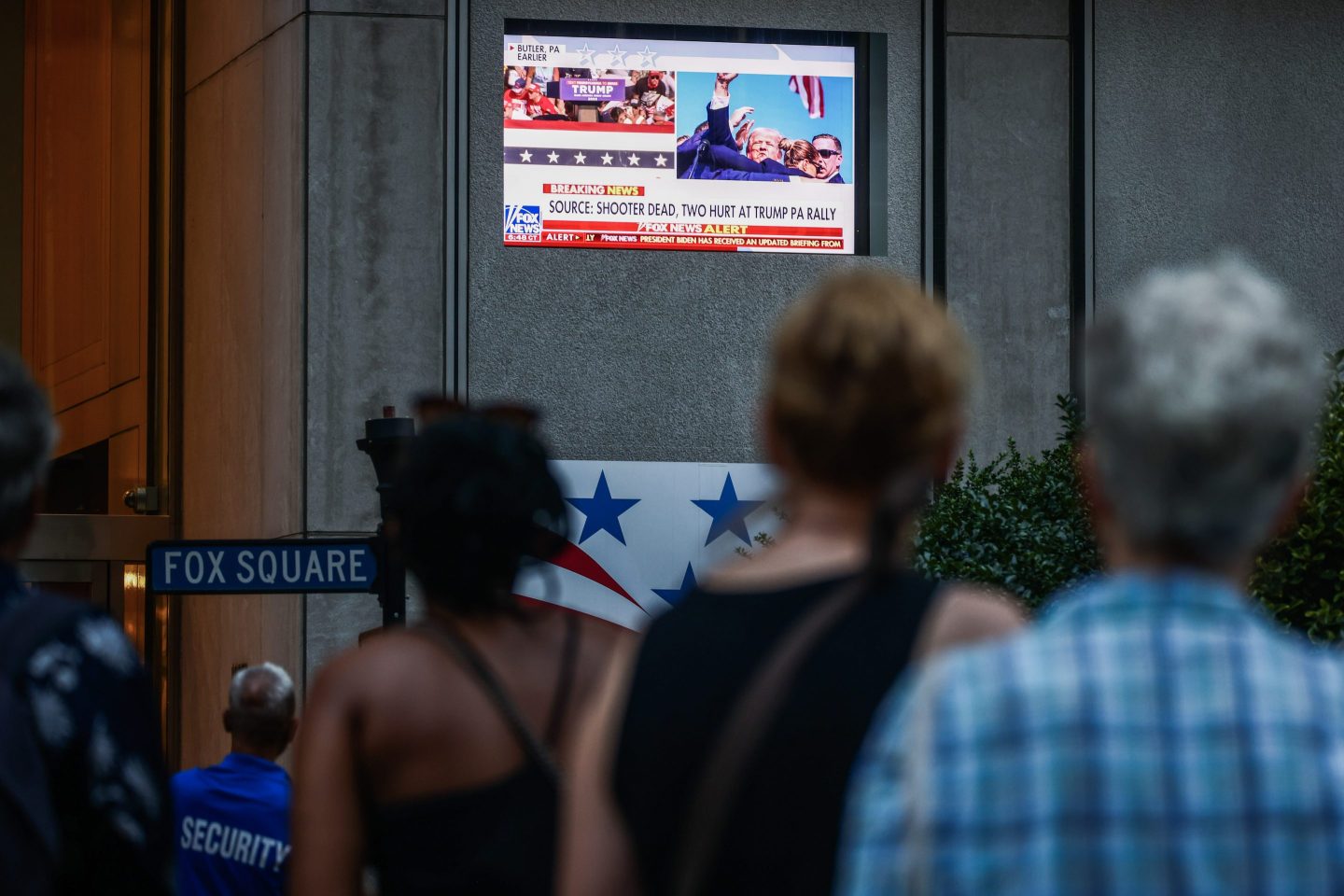
The failure of trust has impacted even the most esteemed agencies. As a consequence of the Trump assassination attempt, serious questions were raised about the U.S. Secret Service. Top leadership was charged with failures, including the lack of transparency in congressional testimony. In the wake of the hearing, the agency’s director resigned.
Distrust in the private sector
While there is evidence that trust in business remains higher than in government, distrust has been on the rise on that front too. Recently, a massive global software catastrophe grounded flights, halted surgeries, disrupted countless business operations, and sparked customer backlash. A leading communications carrier and a major healthcare group were hacked, impacting the private data of large portions of the population.
Prominent businesses have also faced misguided marketing campaigns, allegations of mismanagement and fraud, failed risk and financial practices, and workplace failures, which damaged their reputations.
These self-inflicted wounds have tarnished images and reputations. Iconic brands, once symbols of reliability, now struggle to maintain their standing, further eroding trust.
As the protests crisis engulfed leading universities across the country this year, university leaders dodged questions about antisemitism from the media and during congressional hearings. All this turmoil led to the resignations of university presidents as their positions became untenable at Harvard, University of Pennsylvania, and most recently, Columbia.
Media organizations, once trusted for delivering accurate information, now face growing skepticism. They are increasingly accused of bias and misleading the public, with critics often resorting to conspiracy theories that damage perceived authority and credibility. This shift represents a significant loss of confidence in institutions once regarded as the bastion of trust.
The relentless 24/7 news cycle fosters a misleading belief that crises, once out of the headlines and news monologues, quickly vanish with little lasting impact, obscuring the ongoing effects of these events. This relentless stream deepens public skepticism and cynicism. Now, the emergence of artificial intelligence and the rise of deepfakes will only exacerbate these troubles and blur the lines between truth and falsehood.
How to make America trust again
Leadership directly shapes the behavior and culture of a nation, city, or organization—and it is crucial for rebuilding trust.
Government and business leaders face a pressing challenge: they must take decisive steps to restore trust and confidence in essential institutions.
It’s not just about applying policies or making big statements, but rather creating an environment where trust is fundamental to every action and decision. When leaders prioritize values such as integrity, honesty, and responsibility, they set a standard that influences the entire population, shaping actions and perceptions. These are not mere buzzwords—they are essential principles that must guide leadership, especially during times of crisis.
Building trust is not a simple assignment. Why was Walter Cronkite trusted? He checked sources—and was fair and impartial. While we may never see another Cronkite, it’s certainly time to hold our leaders to these high standards.
More must-read commentary published by Fortune:
- Markets have overestimated AI-driven productivity gains, says MIT economist
- Brian Niccol may well be the messiah Starbucks—and Howard Schultz—have been looking for
- ‘Godmother of AI’ says California’s well-intended AI bill will harm the U.S. ecosystem
- The ‘Trump dump’ is back—and the stocks that he targets are crashing
The opinions expressed in Fortune.com commentary pieces are solely the views of their authors and do not necessarily reflect the opinions and beliefs of Fortune.