The Environmental Protection Agency should conduct additional soil studies near the site of a toxic train derailment in Ohio and warn people it might not be safe to garden there after independent testing showed high levels of chemicals in locally grown garlic, a watchdog group said Thursday.
In a petition filed with the federal agency, the nonprofit Government Accountability Project argues that the EPA should have already followed up on the tests of gardens and crops in the city where the Norfolk Southern derailment took place.
“It is unconscionable that the EPA has not conducted its own testing on garden crops in East Palestine, nor have they sampled for dioxins in the home produce,” the nonprofit group’s senior environmental officer, Lesley Pacey, told The Associated Press in advance of the petition filing. “Yet, the EPA has told residents to garden and eat home produce as usual.”
The Associated Press sent emails to EPA officials seeking comment about the petition Thursday.
The agency has been telling people it’s safe to garden since nearly three months after the February 2023 derailment, based on tests conducted by state agriculture officials at 31 locations around town and on surrounding farms. The officials tested winter wheat, malting barley, pasture grasses and rye from area farms.
“Residential soil sampling results are within typical ranges for the area, and garden plants are generally considered safe to eat,” the EPA said to the community.
In the past, agency officials have dismissed the independent tests cited by the Government Accountability Project, pointing to their concerns with quality control. The tests were performed by Scott Smith, a businessman and inventor who, since his own factory was inundated by tainted floodwaters in 2006, has been on a crusade to help communities affected by chemical disasters.
EPA officials say they can’t tell if his data is valid without reviewing all of the reports detailing his methodology and results. Smith offered last summer to share his files with the agency but only if it would share its information with him. They never reached an agreement.
The EPA has said that previous testing conducted by contractors hired by the railroad did not show high levels of dioxins or other chemicals outside the train derailment site after the initial evacuation order was lifted, and therefore, additional tests in individual yards and gardens weren’t needed.
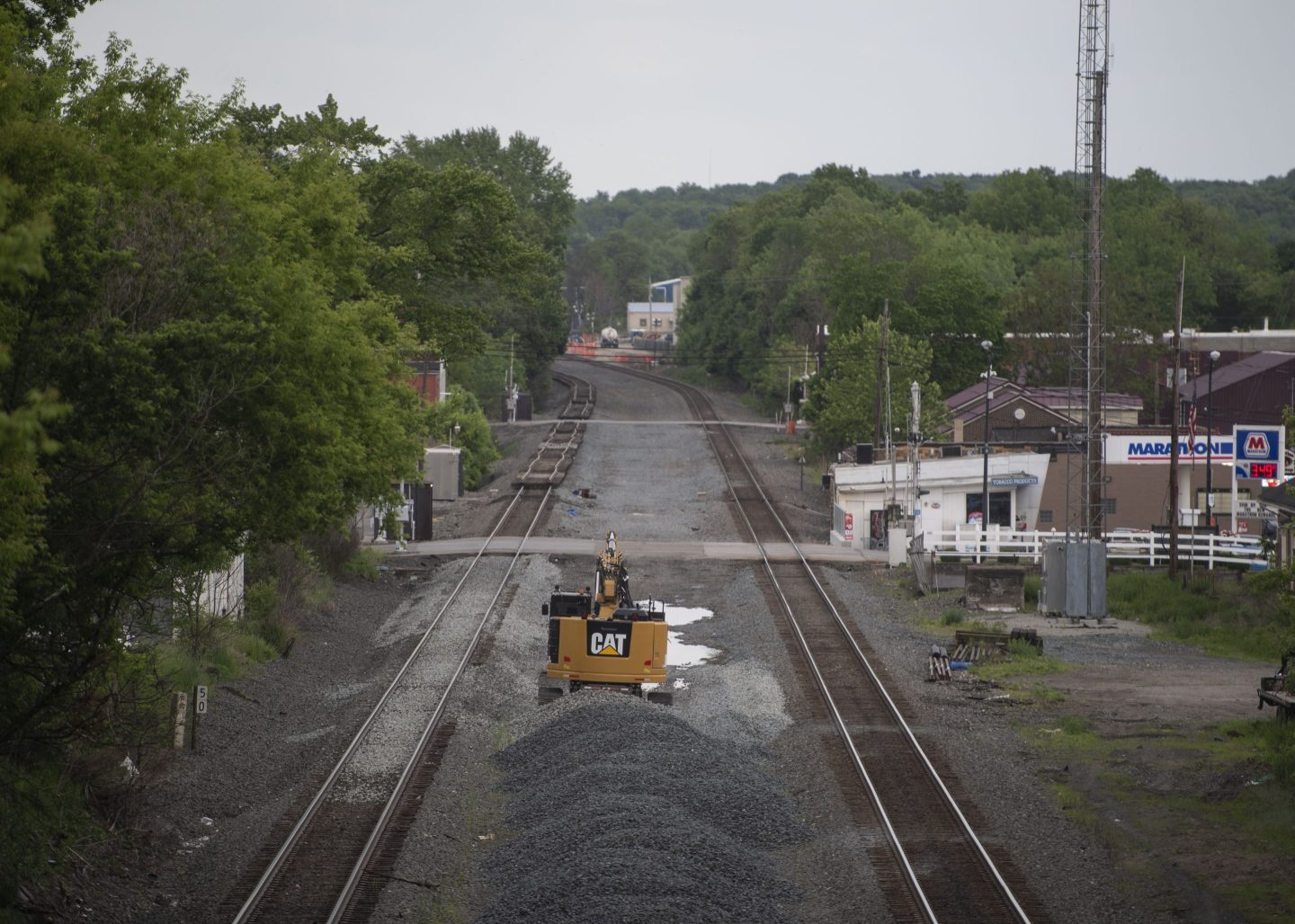
The only place the EPA reported finding high levels of cancer-causing dioxins was in the area immediately around the derailment about two weeks after the crash. That soil was included in the nearly 179,000 tons (71,668 metric tons) of material dug up and disposed of last year.
But some residents aren’t taking any chances.
Marilyn Figley didn’t dare plant a garden last year after the derailment even though she and her husband do everything they can to be self-sufficient, including gardening and raising chickens for meat and eggs. She did harvest some garlic after the derailment that she had planted previously, however. Some of it had levels of dioxins more than 500 times higher than a sample of garlic grown and harvested from someone else’s yard the year before the derailment, according to Smith’s tests.
Figley said they decided to plant a garden again this year after using one of her husband’s tractors to remove the top 3 inches (8 centimeters) of soil and replace that with fresh dirt.
“I’d rather eat dioxins than die of starvation I guess,” Figley said. “I’m pretty worried, but what can you do?”
Dioxins have been a key concern for East Palestine residents ever since officials decided to blow open five tank cars of the derailed train and burn the vinyl chloride contained within them. The chemical is used to make a variety of plastic products, including pipes, wire and packaging materials, and is found in polyvinyl chloride plastic, better known as PVC. Thousands of residents had to evacuate their homes temporarily after the derailment and during the venting and burning of the vinyl chloride, which sent an enormous toxic plume of black smoke over the town.
Last summer, the local farmers market made a point of bringing in produce from several states away because of all the worries about anything grown in the area.
“I certainly didn’t eat anybody’s tomatoes or cucumbers,” said Tamara Lynn Freeze, whose freshly grown garlic was also tested by Smith and showed dioxin levels five times higher than what was found in garlic she still had sitting in her garage from a year before the derailment.
Freeze says she developed a chronic sinus infection and joint pain after the derailment — symptoms that seem to ease any time she’s away from the area for more than a few hours.
Smith has visited East Palestine more than two dozen times since the derailment to test soil and water for dioxins and other chemicals. He is not a scientist by training but has traveled to chemical disaster sites for years. His testing is reviewed by a team of scientific advisers, including a former top Ohio EPA expert, and he sends all his samples to a laboratory that the EPA and others agree is reputable.
Smith is also an inventor and holds 25 patents, including for a specialized foam that repels water and absorbs oil, which he developed at his former company, Cellect Technologies. He has offered to sell the product in some of the affected communities he has visited, but he says he isn’t making a profit on his work in East Palestine.
Smith got his start with disasters when floodwater contaminated with chemicals swept into a Cellect factory, destroying equipment and forcing the business to shut down for months. Since then, he has conducted investigations of dozens of environmental and health emergencies, including the BP Gulf oil spill and the Flint, Michigan, lead water crisis.
In Flint, some of Smith’s results were used by a nonprofit group affiliated with actor Mark Ruffalo that questioned whether it was safe to bathe in the city’s water. Smith’s actions put him in conflict with scientists who were conducting their own tests and with EPA Response Coordinator Mark Durno, the same agency representative overseeing the cleanup in East Palestine.
Despite their disagreements, Durno did remark that Smith “certainly understands how to use appropriate laboratories both for the chemical work that he’s doing and the biological work that he is doing.”
“From that perspective, he seems qualified to collect samples and collect and share data,” Durno said in a video interview he gave for an unfinished documentary about Smith’s work.
But in East Palestine, Durno has consistently questioned the quality of Smith’s testing. Since last summer, he has refused to meet with him or test alongside him because he believes the EPA’s testing plan already gives an objective, valid sense of the level of contamination existing in the community. He added that testing in individual locations in town, as Smith is doing, won’t produce useful data if it isn’t part of a larger sampling plan.
Smith said he has applied the lessons of Flint by making sure that his scientific advisers review all his data before he releases it himself directly to the public.
He argues that even if his test results aren’t perfect, they should prompt additional investigation by the EPA.
“I’m basically calling for more testing,” Smith said. “I’m not trying to incite more panic. My point is it’d be very easy for the EPA to just test the garlic and report it. We can find no evidence they ever tested garden crops from residents.”