Consumer inflation in the United States cooled slightly last month after three elevated readings, likely offering a tentative sigh of relief for officials at the Federal Reserve as well as President Joe Biden’s re-election team.
Prices rose 0.3% from March to April, the Labor Department said Wednesday, down slightly from 0.4% the previous month. Measured year-over-year, inflation ticked down from 3.5% to 3.4%. And a measure of underlying inflation, which excludes volatile food and energy costs, fell to the lowest level in three years.
Inflation had been unexpectedly high in the first three months of this year after having steadily dropped in the second half of 2023. The elevated readings had dimmed hopes that the worst bout of inflation in four decades was being rapidly tamed.
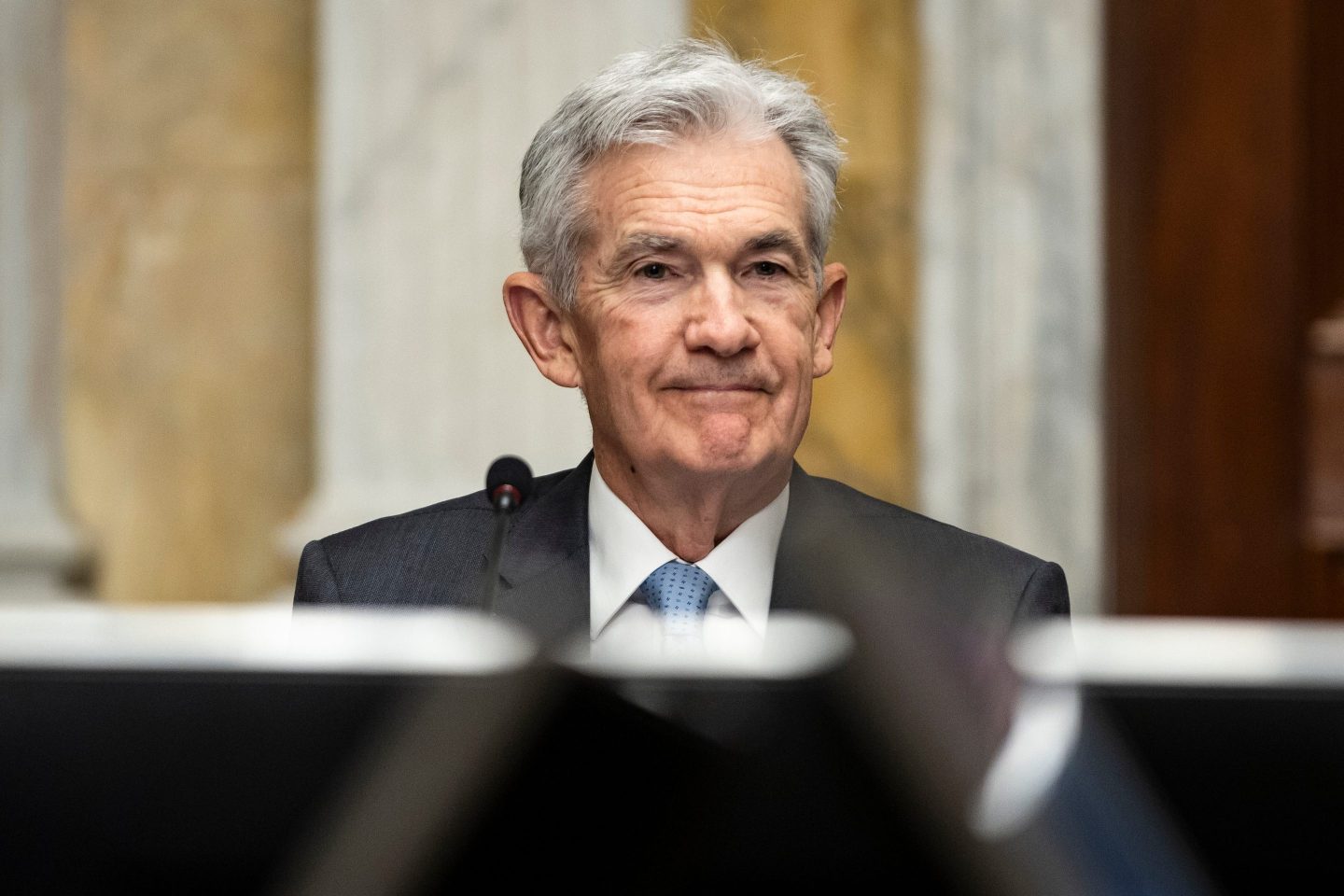
Fed Chair Jerome Powell responded by dropping his previous suggestions that interest rate cuts were likely this year. Instead, he stressed that the Fed’s policymakers need “greater confidence” that inflation is falling to their 2% target level before they would reduce borrowing rates from high levels.
Wednesday’s report of moderating price increases may provide a dose of reassurance that inflation could be resuming its slowdown toward the Fed’s target.
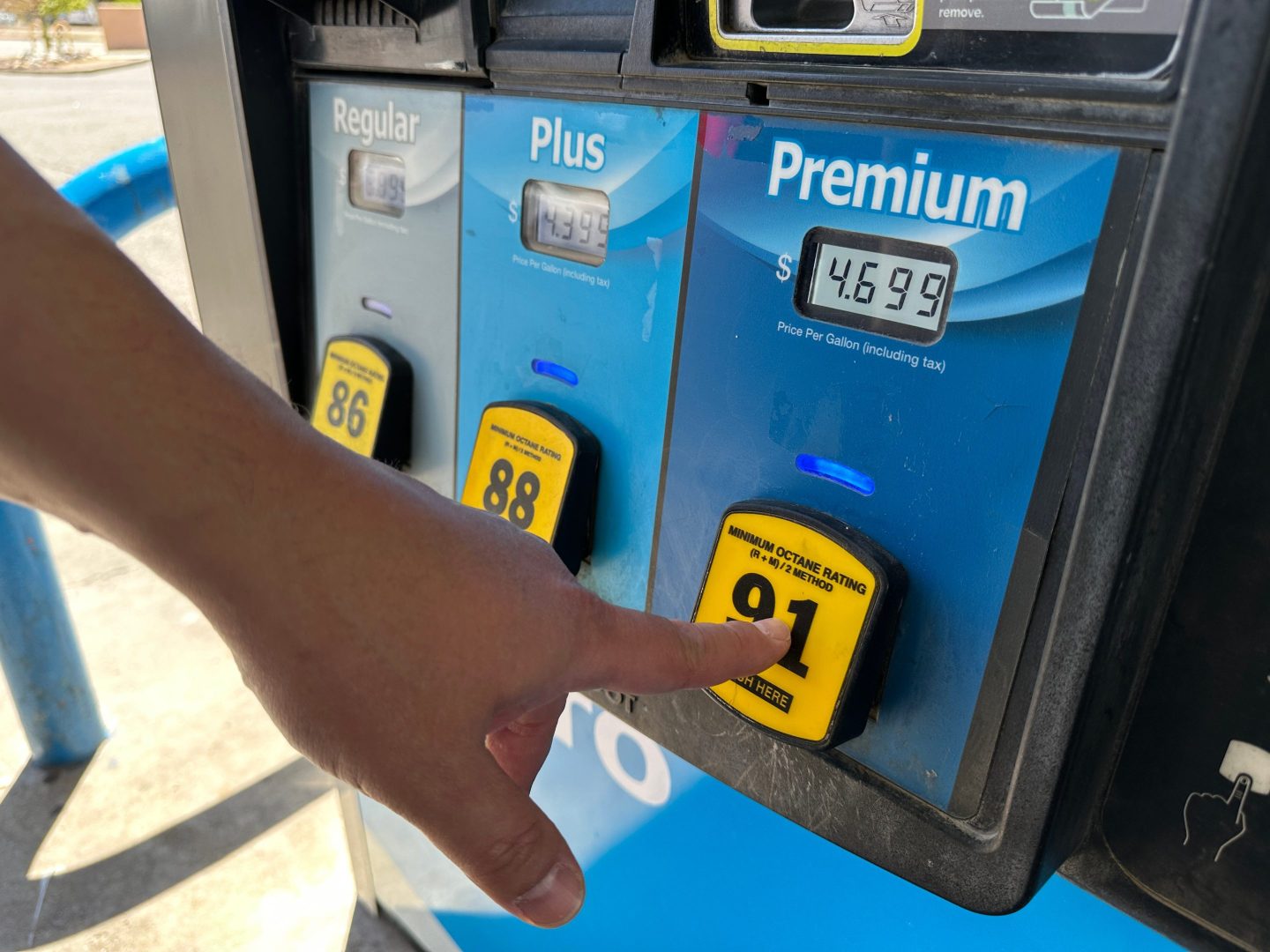
Grocery prices slipped in April, providing a break to shoppers. Egg prices, which have been volatile after a bout of avian flu, fell 7.3%. New and used car prices also dropped. By contrast, prices for gas and clothing both jumped.
Excluding volatile food and energy costs, so-called core prices rose 0.3% from March to April after three straight months of 0.4% increases. Measured with a year earlier, core prices increased 3.6% in April, down from 3.8% in March. The Fed closely tracks core prices, which tend to provide a better read of where inflation is headed.
Apartment rental prices remained stubbornly high, climbing 0.4% from March to April. Average apartment rents are 5.4% higher than they were a year earlier. Rental and other housing costs accounted for two-thirds of the year-over-year increase in core prices.
Whether inflation continues its decline could have a significant effect on the presidential race. Republican critics of Biden have sought to pin the blame for high prices on the president and use it to try to derail his re-election bid. While hiring remains robust and wage growth, on average, healthy, prices remain generally well above their pre-pandemic levels.
On Tuesday, Powell reiterated that he still expects inflation to ultimately reach the central bank’s 2% target. But in remarks during a panel discussion in Amsterdam, Powell acknowledged that his confidence in that forecast has weakened after three straight months of elevated price readings. Inflation has fallen sharply from 9.1% in the summer of 2022 but is higher now than in June 2023, when it first touched 3%.
The Fed’s policymakers have raised their key interest rate to a 23-year high of 5.3% in an effort to quell rising prices. Powell underscored Tuesday that the Fed will keep its rate at that level for as long as needed to fully conquer inflation, a signal that rate cuts won’t begin as soon as many people had hoped.
Economists are divided over whether the high inflation figures in recent months reflect a re-acceleration in price growth or are merely echoes of pandemic-related price distortions. While auto insurance has soared 22% from a year ago, for example, that surge may reflect factors specific to the auto industry: New car prices jumped during the pandemic, and insurance companies are now seeking to offset the higher repair and replacement costs by raising premiums.
Stubbornly elevated apartment rents are another key factor behind persistent inflation. Rents soared during the pandemic as more Americans chose to live alone or sought more living space. Though rents for new leases are rising much more slowly, consistent with pre-pandemic patterns, the earlier increases are still elevating the government’s price data.
Some economists point to steady consumer spending on restaurant meals, travel and entertainment, categories where in some cases price increases have been elevated, likely reflecting strong demand.
Powell, in his remarks Tuesday, also highlighted rising rents as a key factor keeping inflation high. He called that “a bit of a puzzle” because measures of new apartment leases show new rents barely increasing. Such weaker data has apparently yet to flow into the government’s measures, which cover all rents, including for tenants who renew their leases and are facing bigger increases. Powell said the government’s measures should eventually show rent growth easing.
The Fed chair also acknowledged that the economy “is different this time” because so many Americans refinanced their mortgages at very low rates before the Fed began raising borrowing costs in March 2022. Many large businesses also locked in low rates at that time.
“It may be,” he said, that the Fed’s rate policy “is hitting the economy not quite as strongly as it would have if those two things were not the case.”