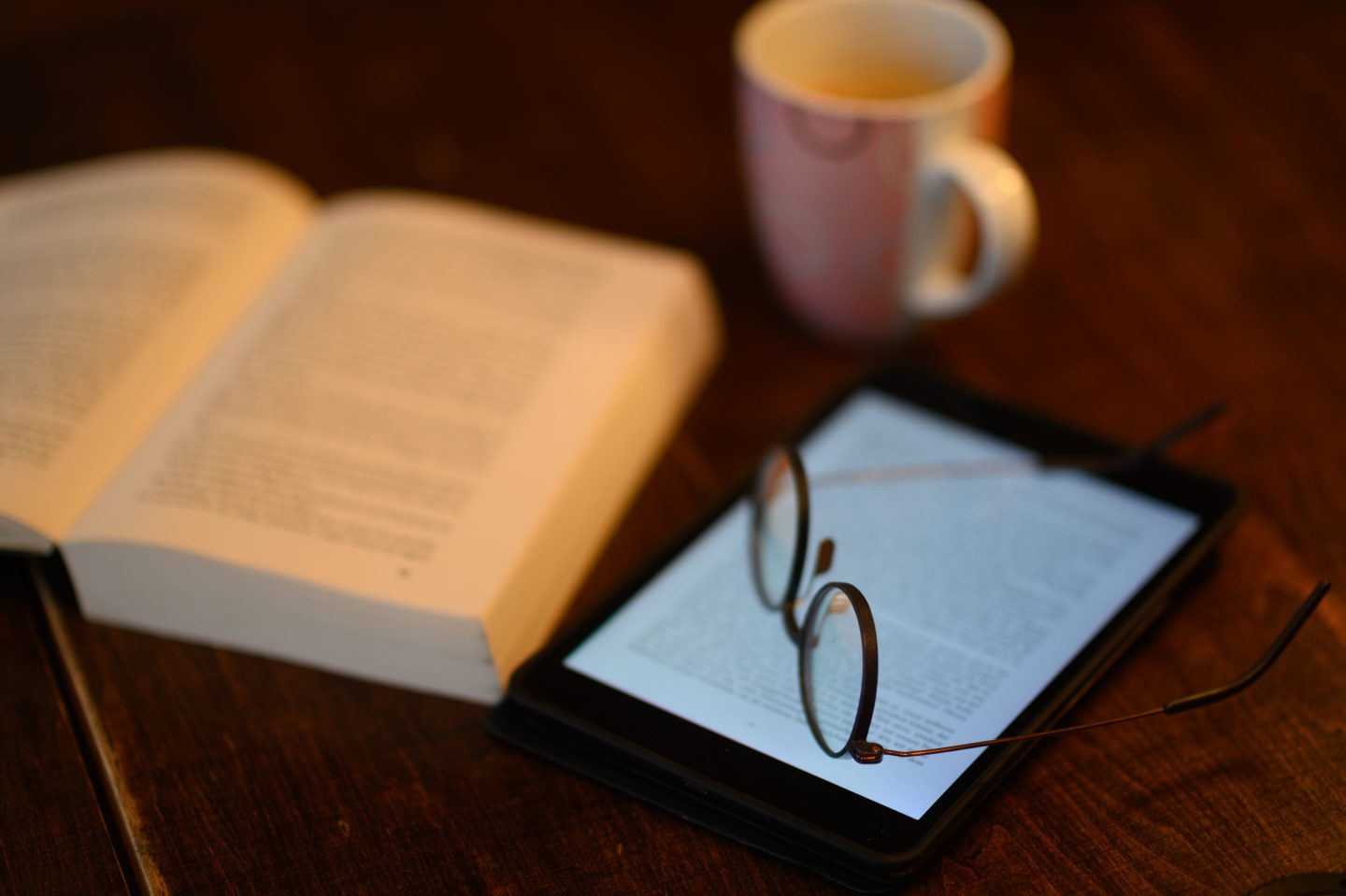
Whenever bestselling author Robin Cook releases a new medical thriller, the head of the public library in West Haven, Connecticut knows demand for digital copies will be high. So will the price.
Like many libraries, West Haven has been grappling with the soaring costs of e-books and audiobooks. The digital titles often come with a price tag that’s far higher than what consumers pay. While one hardcover copy of Cook’s latest novel costs the library $18, it costs $55 to lease a digital copy – a price that can’t be haggled with publishers.
And for that, the e-book expires after a limited time, usually after one or two years, or after 26 check outs, whichever comes first. While e-books purchased by consumers can last into perpetuity, libraries need to renew their leased e-material.
The modestly funded West Haven Library has spent more than $12,000 over the last three years to lease just 276 additional digital titles beyond what patrons can access through a consortium of public libraries. Eighty-four of those books are no longer available. If that same amount had been spent on paper books, it would have covered about 800 titles.
“Imagine if a playground was built at a school with tax dollars, only to be taken down after two years of use,” librarian Colleen Bailie said at a recent public hearing.
Publishers, however, argue the arrangement is fair considering e-book licenses for libraries allow numerous patrons to “borrow” them and the per-reader cost is much less expensive than the per-reader rate.
Librarians in several states have been pushing for legislation to rein in the costs and restrictions on electronic material, which has been growing in popularity since the COVID-19 pandemic. Patrons are stuck on long waiting lists for audio and e-books, and digital offerings are limited.
This year, lawmakers in states including Connecticut, Massachusetts, Illinois, Hawaii and New Hampshire have proposed bills aimed at closing the affordability gap. A bill was introduced in Virginia but was tabled in February.
They face strong opposition from the publishing industry, which argues the legislation undermines intellectual property values and will harm the publishing ecosystem.
“They do have a funding problem, but the answer is not to take it out of the pockets of authors and destroy the rights of creators and pass unconstitutional legislation,” said Shelley Husband, senior vice president of government affairs at the Association of American Publishers, noting how more people than ever can access e-material that might otherwise have been purchased from booksellers.
Readers across the globe borrowed 662 million e-books, audiobooks and digital magazines last year, up 19% since 2022, according to data provided by OverDrive, the main distributor of digital content for libraries and schools.
Libraries Online Inc., a Connecticut interlibrary consortium, is currently spending roughly $20,000 a month on e-books for its 38 members. Replacing expired titles consumes 20% of the consortium’s budget, said e-book committee chair, Rebecca Harlow.
“If we replaced all of the content that has expired this year, the cost would exceed our entire annual budget for e-books,” Harlow recently told lawmakers. “We have completely lost the ability to build a library collection.”
The consortium leases fewer than 30 books a month for children and 30 books a month for teens, she said.
Dumping e-books and audio books isn’t considered an option for libraries with patrons like Casey Rosseau, 53, of West Hartford, Connecticut.
Rosseau, an information technology worker, has worsening eyesight. He reads about 200 audiobooks a year using OverDrive’s Libby app on his phone, and is typically on waiting lists for months at a time for the most coveted titles.
“I’ve always gone to the library to get the latest John Grisham or the latest James Patterson (novel),” he said. “Those come out so often that you have to have really deep pockets in order to be able to afford to buy them.”
In 2021, Maryland passed a law that would have required publishers to make e-books available on “reasonable terms” to libraries if they were being offered to the general public. That was struck down by a judge in 2022, after publishers successfully argued that federal copyright law bars states from regulating publishing transactions. New York Gov. Kathy Hochul vetoed a similar measure in 2021.
Many of the latest legislative proposals try a different approach.
An Illinois bill would void contracts between libraries and publishers that include certain provisions, such as restricting a library’s right to determine loan periods for licensed electronic material. Massachusetts and Connecticut are looking at similar proposals.
“Basically, rather than telling the publishers that they have to do anything in particular, our bill would tell the libraries on what terms they can make deals with the publishers,” said Connecticut state Rep. Matt Blumenthal, a Democrat.
Husband, of the Association of American Publishers, said she sees no real difference between the overturned Maryland law and these latest efforts. Last year, organizations representing publishers, booksellers and authors formed The Protect the Creative Economy Coalition to oppose state legislation.
But Julie Holden, assistant library director for the Cranston Public Library in Rhode Island, said that without legislative change, local librarians will not only continue to face financial strain, they’ll be bogged down examining lists of expiring digital leases to decide whether they can justify spending more money to renew each one.
“Taxpayers who fund our public libraries deserve better. Way better,” she said.