New banking regulations don’t typically generate much interest from the general public. Basel III Endgame (B3E) is a bit different—and it’s not just the catchy, Marvel-esque nickname that’s drawing attention.
The nation’s top bankers—as well as numerous conservative lawmakers, industry associations, and lobbyists—have pushed back against B3E, arguing it will be costly for consumers and businesses. Some opponents have even spent heavily on ads telling voters to “Stop Basel Endgame” because of its potential to slow the economy.
What is B3E? It’s the finalization of an international set of banking reform measures (Basel III) developed by a group of regulators and central bank officials from 26 countries called the Basel Committee in response to the Global Financial Crisis (GFC) of 2007–08.
The goal of Basel III was to improve banks’ ability to withstand economic shocks and financial stress while increasing their transparency. But it wasn’t until July of last year, that the Federal Reserve, the Office of the Comptroller of the Currency, and the Federal Deposit Insurance Corporation jointly proposed Basel III Endgame to finalize the regulations.
The proposal would raise capital requirements for large banks, those with assets over $750 billion, by 16% to 25%, while smaller banks would be looking at a roughly 11% jump.
B3E would also require banks to use standardized risk models, alter the calculation of risk-weighted assets, and, by 2028, force the use of a new measure called “accumulated other comprehensive income,” or AOCI, in capital-requirement calculations. All of this has drawn criticism from banks—which makes sense, given one study shows B3E could cost them $35 billion in revenue in 2025 alone—but they aren’t alone. From farmers to former Fed officials, the proposal has its fair share of critics.
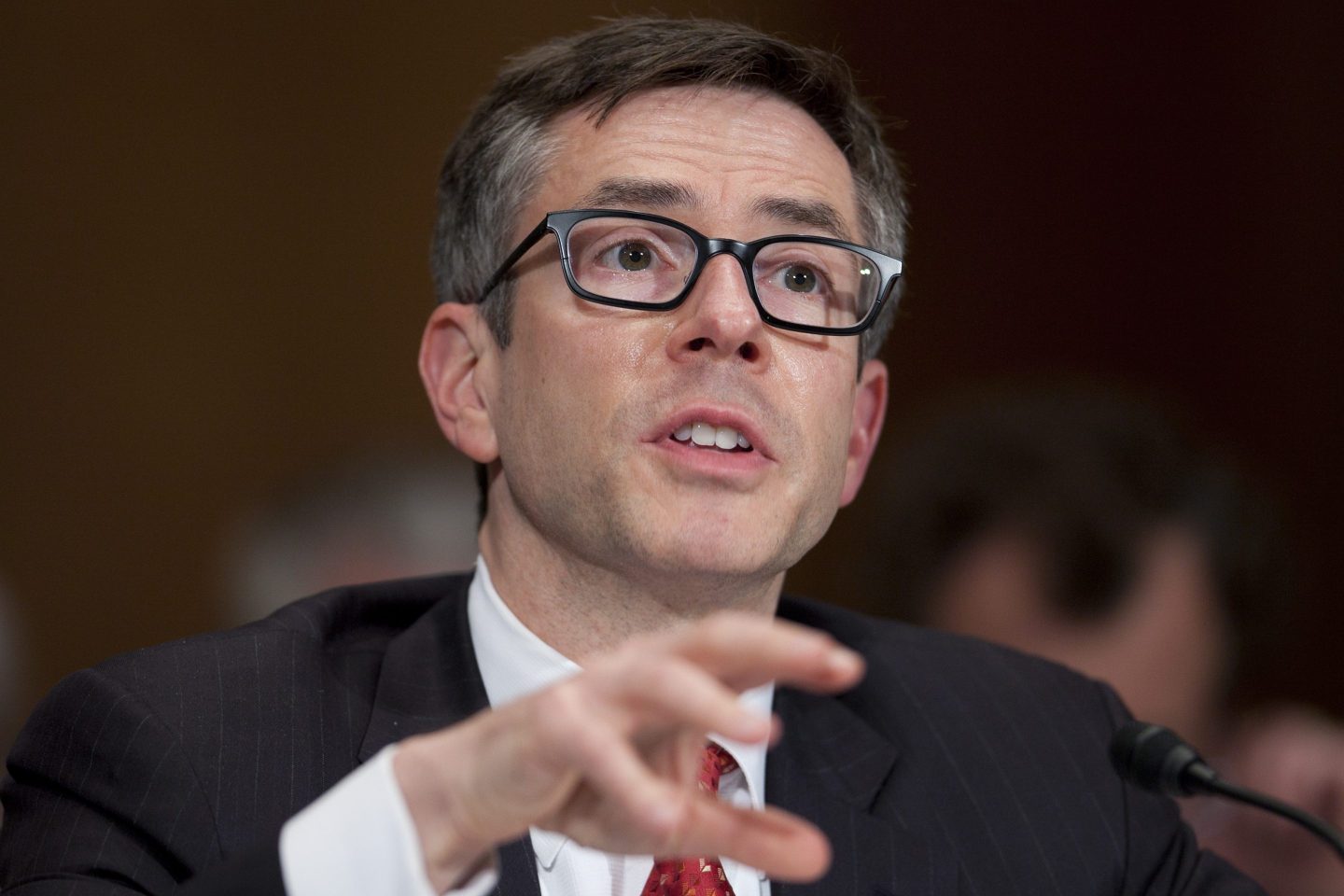
Even Randall S. Kroszner, a former Federal Reserve governor who chaired the Committee on Supervision and Regulation of Banking Institutions during the GFC, is speaking out against the idea.
Kroszner, now the Norman R. Bobins professor of economics at University of Chicago’s Booth School of Business, argues in a new paper that B3E won’t just be costly for banks, it will have “unintended consequences” for consumers and businesses across the U.S.
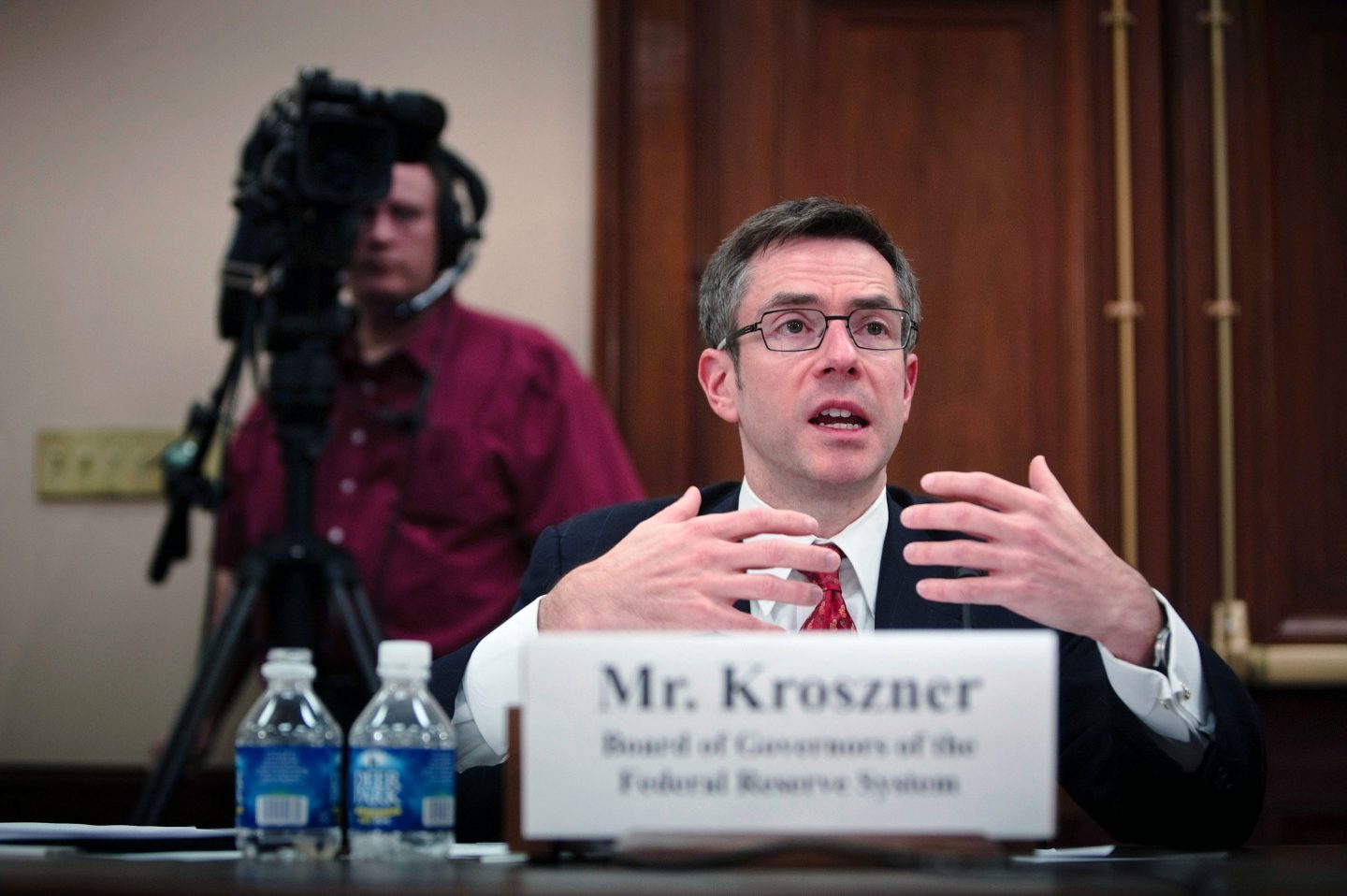
From increasing borrowing costs and reducing the availability of loans to lowering equity market liquidity and incentivizing riskier private lending, Kroszner fears the costs of B3E may outweigh the benefits.
In an interview with Fortune, the former Fed governor explained that his main concern is that regulators have not done a proper cost-benefit analysis of Basel III Endgame, and, as currently written, it doesn’t address specific risks to the financial system. Instead, he argues, the proposal is more of a blanket package of regulations.
“The ecosystem evolves, risks evolve, there are always going to be changes and reforms that will be necessary. But my concern, as I outline in the paper, is that I just don’t think that they’ve done a very good job of tailoring the proposals to particular risk concerns they have,” he explained.
Kroszner gave the example of how the B3E proposal raises capital requirements for residential real estate, but doesn’t address potential issues with commercial real estate, which has been coping with a crisis amid rising interest rates and record vacancies.
Above all, Kroszner wants to see regulators take a step back, put Basel III Endgame on hold, and then do a more in-depth cost-benefit analysis before altering the current proposal or reworking it entirely.
“They’re getting the right input from the commentators,” he said. “They had an enormous number of commentators, almost all of which had reasonable questions or concerns. And those are exactly the kind of potential unintended consequences that you want to look at before moving forward.”
Higher costs and fewer loans for consumers
While higher capital requirements can make banks more resilient during times of economic or financial stress, critics of B3E note they also increase the cost of lending.
Kroszner argued this is bad for two key reasons. First, banks would likely pass on all or part of their higher costs to end users. That means higher borrowing costs—and fewer available loans—for entrepreneurs, pension funds, mutual funds, and average Americans who just want to buy a home or car. This would impact “low- and moderate-income borrowers as well as minority businesses” in particular, he added.
Changes to rules regarding the risk classification of tax-equity investments would also force banks to keep more capital on hand if they invest in renewable energy. Dermot McDonogh, chief financial officer of the Bank of New York Mellon, told Bloomberg last month that this would “severely reduce” or “eliminate” banks’ ability to invest in many green-energy projects.
More expensive market-making
Banks play a crucial role in “market-making,” providing the liquidity necessary for equity, debt, and other markets to function properly. But Kroszner warned in his report that banks might decide to “reduce their activities or even withdraw from providing some products or services” owing to B3E.
“If banks have disincentives to make markets, market liquidity may suffer, and market dysfunction requiring central bank action to stabilize markets may become more frequent,” he said.
Kroszner warned the rising cost of market-making could also lead to increased volatility and higher trading costs for investors. He gave the example of how farmers’ hedging practices could be affected: Farmers tend to hedge their seasonal harvest at the beginning of the season by buying futures contracts, which guarantee buyers will pay a certain price after they’ve harvested. But a group of farmers’ associations recently penned a letter to regulators arguing the B3E proposal would hinder farmers’ ability to use these futures contracts to lock in prices.
This is just one example of how rising capital requirements can affect banks’ market-making abilities, but the same scenario would likely be repeated in multiple industries. All of this could lead to reduced investment in businesses nationwide. And “reduced investment can lead to lower productivity growth, reducing both wage growth for workers and overall economic growth,” Kroszner warned in his report.
The public-to-private transition continues
Over the past few decades, an increasing number of businesses have taken to using private lending services rather than banks. But while private lending—or private credit, as it’s often called—has boomed into a $1.7 trillion industry, Kroszner worries it presents risks to the financial system. He warned private lending regulators have “less information and less ability to monitor and rein in risks, especially in the run-up to and in times of crisis.”
And B3E is set to jump-start the private credit industry yet again. Rising capital requirements and shifting standards for public lenders will make private debt options far more competitive for end users—and that could lead to more volatility and risk.
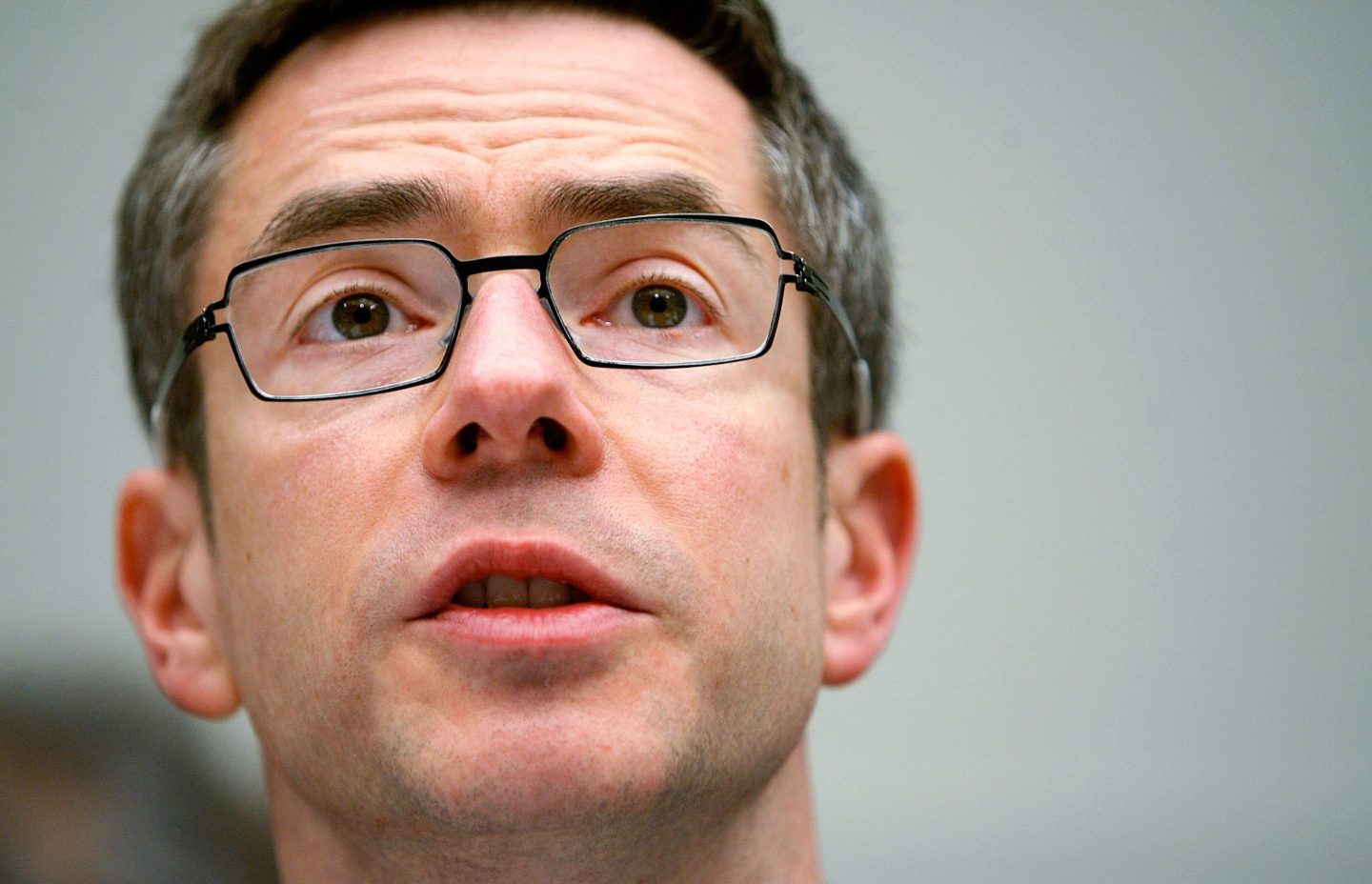
“Thus, rather than conserving supervisory resources and providing greater cushions against shocks, increasing capital requirements could paradoxically require greater vigilance by supervisors and generate more fragile interconnections, thereby potentially reducing the overall safety and soundness of the system,” Kroszner argued in his paper.
But banks are pushing back for a reason
Despite the consistent criticism, proponents of the Basel III Endgame proposal believe it will help make the banking system more resilient and prevent worst-case scenarios. They note B3E will require the standardization of operational risk models at banks. And although that will be costly, it could help improve lenders’ ability to recognize, prepare for, and prevent issues that come during times of financial stress, or after economic shocks.
The proposal will also force banks to use a measure called “accumulated other comprehensive income,” or AOCI, by 2028 when they calculate capital requirements. This change would force some banks to hold capital against unrealized loan losses in their bond portfolios. And as we saw in March 2023 with the collapse of Silicon Valley Bank, which was in part due to large unrealized loan losses, this regulation may be worth implementing.
Also, it’s important to note that banks, CEOs, and lobbyists have a significant financial incentive to avoid B3E. Banks’ revenues alone will take a $35 billion hit in 2025 from the proposal, according to consultancy firm Oliver Wyman, per Reuters. And other key financial service providers, including credit card companies, will also be hit hard. The calculation of operational risk-weighted assets (RWAs) under the B3E proposal is “especially punitive” for firms that derive most of their income from fees, UBS analysts explained in a note last summer.
Kroszner: We need a better cost-benefit analysis
At the end of the day, what Kroszner and many other opponents of B3E really want is a better analysis of how this new proposal will affect the economy. As Kroszner wrote in his report: “It is important to consider the potential impact of the proposed changes on households, businesses, consumers, and other end users of the system as well as unintended consequences that could reduce rather than increase financial stability for the system as a whole.”
The professor argued that regulators have only completed a “very high-level qualitative analysis of costs and benefits” of the B3E proposal, which, in his view, doesn’t support the conclusion that the benefits outweigh the costs. But that doesn’t mean Kroszner is against regulation.
“I think we should try to get away from the debate of more or less regulation, because people get very emotional about that. What we should try to do is focus on more effective regulation, on what’s the best way to solve this problem,” he told Fortune.
Kroszner said we should think about addressing specific risks, like the potential for rising interest rates to cause problems for banks or the threat of excessive commercial real estate exposure. “What are the risk issues that are out there, and how can we best address those specific issues while being very mindful and thoughtful,” he said. “That’s the thing that I want to see.”