Southeast Michigan seemed like the perfect “climate haven.”
“My family has owned my home since the ‘60s. … Even when my dad was a kid and lived there, no floods, no floods, no floods, no floods. Until [2021],” one southeast Michigan resident told us. That June, a storm dumped more than 6 inches of rain on the region, overloading stormwater systems and flooding homes.
That sense of living through unexpected and unprecedented disasters resonates with more Americans each year, we have found in our research into the past, present and future of risk and resilience.
An analysis of federal disaster declarations for weather-related events puts more data behind the fears—the average number of disaster declarations has skyrocketed since 2000 to nearly twice that of the preceding 20-year period.
As people question how livable the world will be in a warming future, a narrative around climate migration and “climate havens” has emerged.
These “climate havens” are areas touted by researchers, public officials and city planners as natural refuges from extreme climate conditions. Some climate havens are already welcoming people escaping the effects of climate change elsewhere. Many have affordable housing and legacy infrastructure from their larger populations before the mid-20th century, when people began to leave as industries disappeared.
But they aren’t disaster-proof—or necessarily ready for the changing climate.
Six climate havens
Some of the most cited “havens” in research by national organizations and in news media are older cities in the Great Lakes region, upper Midwest and Northeast. They include Ann Arbor, Michigan; Duluth, Minnesota; Minneapolis; Buffalo, New York; Burlington, Vermont; and Madison, Wisconsin.
Yet each of these cities will likely have to contend with some of the greatest temperature increases in the country in the coming years. Warmer air also has a higher capacity to hold water vapor, causing more frequent, intense and longer duration storms.
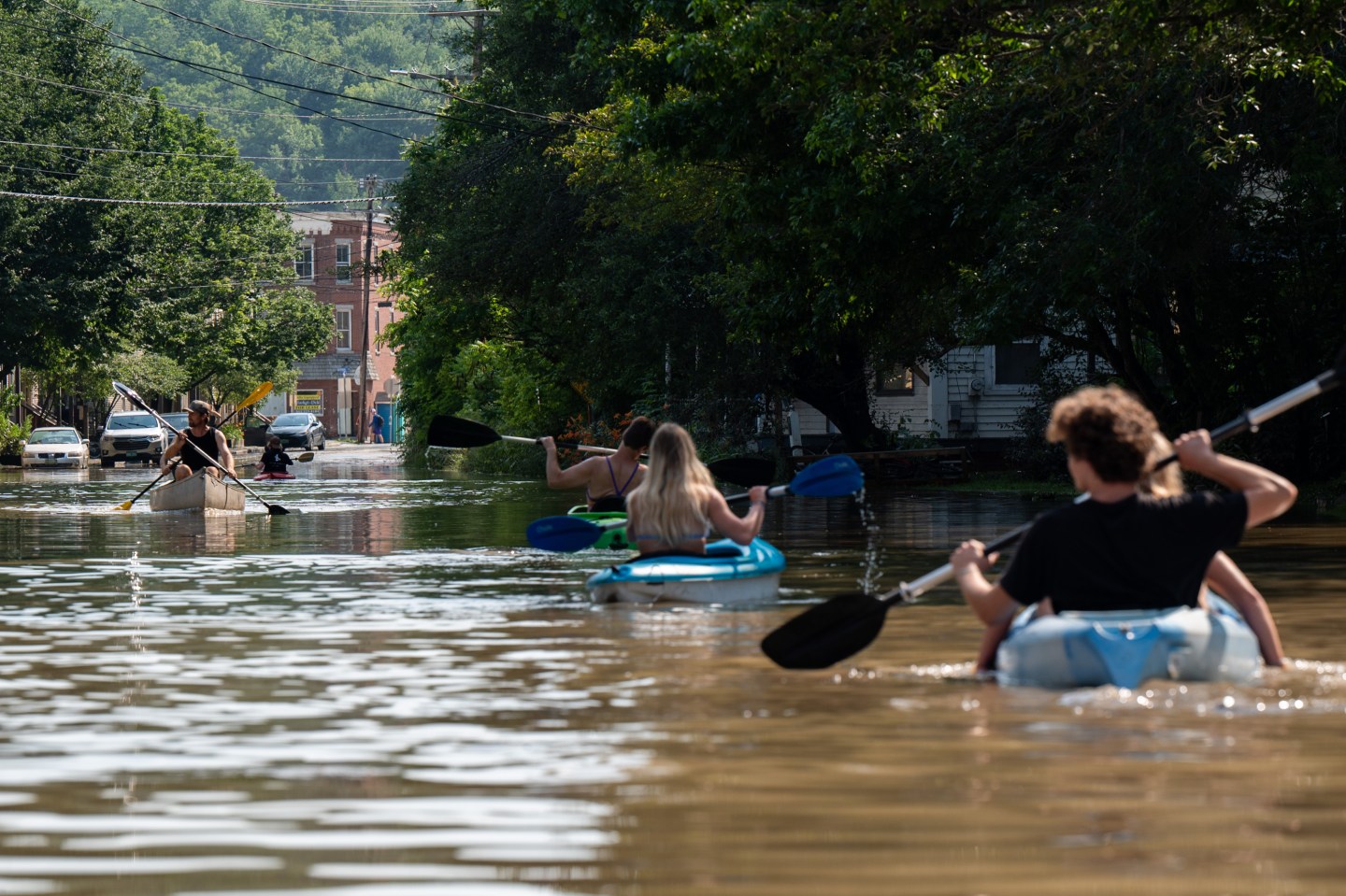
These cities are already feeling the impacts of climate change. In 2023 alone, “haven” regions in Wisconsin, Vermont and Michigan suffered significant damage from powerful storms and flooding.
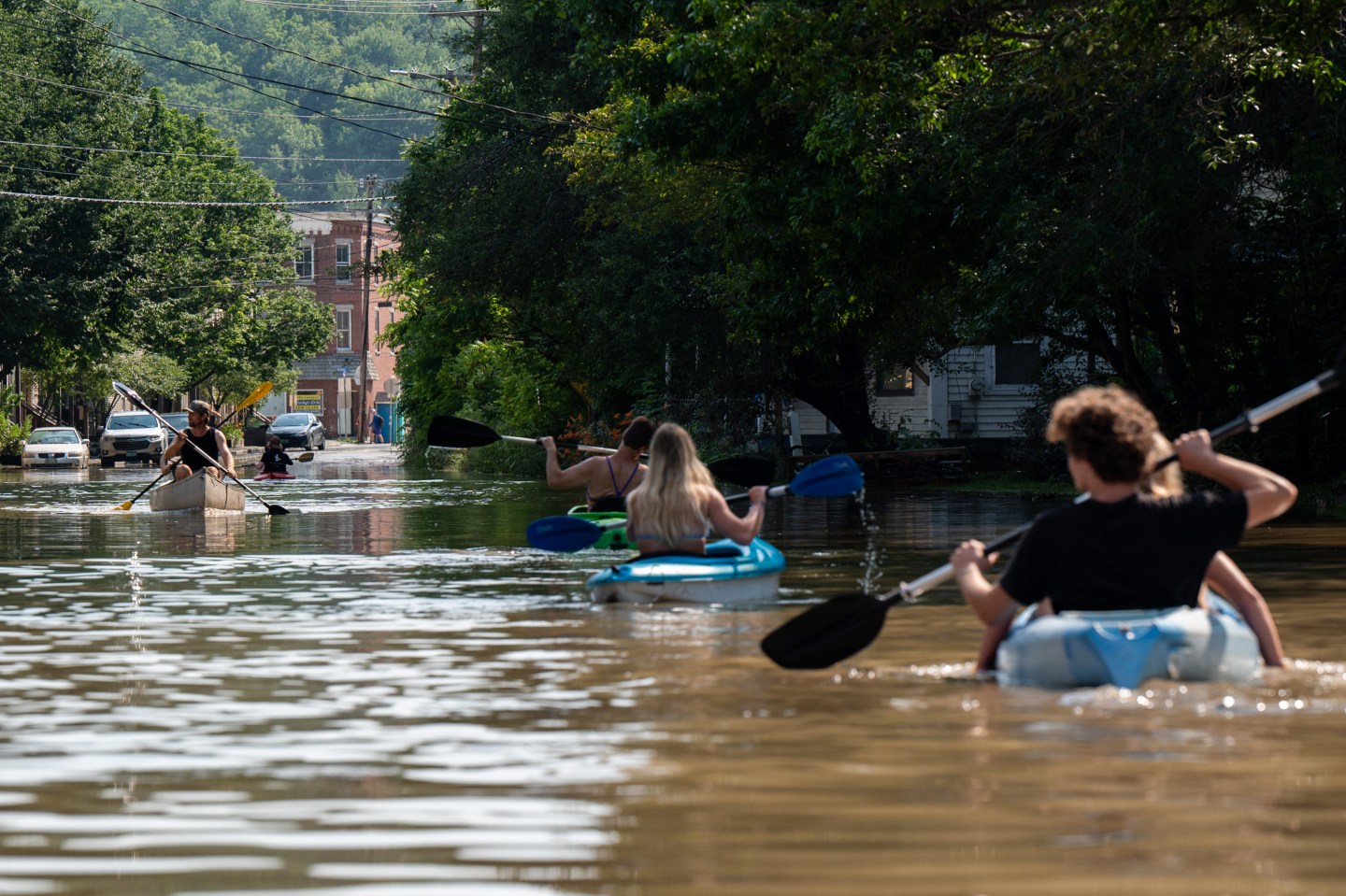
The previous winter was also catastrophic: Lake-effect snow fueled by moisture from the still-open water of Lake Erie dumped over 4 feet of snow on Buffalo, leaving nearly 50 people dead and thousands of households without power or heat. Duluth reached near-record snowfall and faced significant flooding as unseasonably high temperatures caused rapid snowmelt in April.
Heavy rainfall and extreme winter storms can cause widespread damage to the energy grid and significant flooding, and heighten the risk of waterborne disease outbreaks. These effects are particularly notable in legacy Great Lakes cities with aging energy and water infrastructure.
Older infrastructure wasn’t built for this
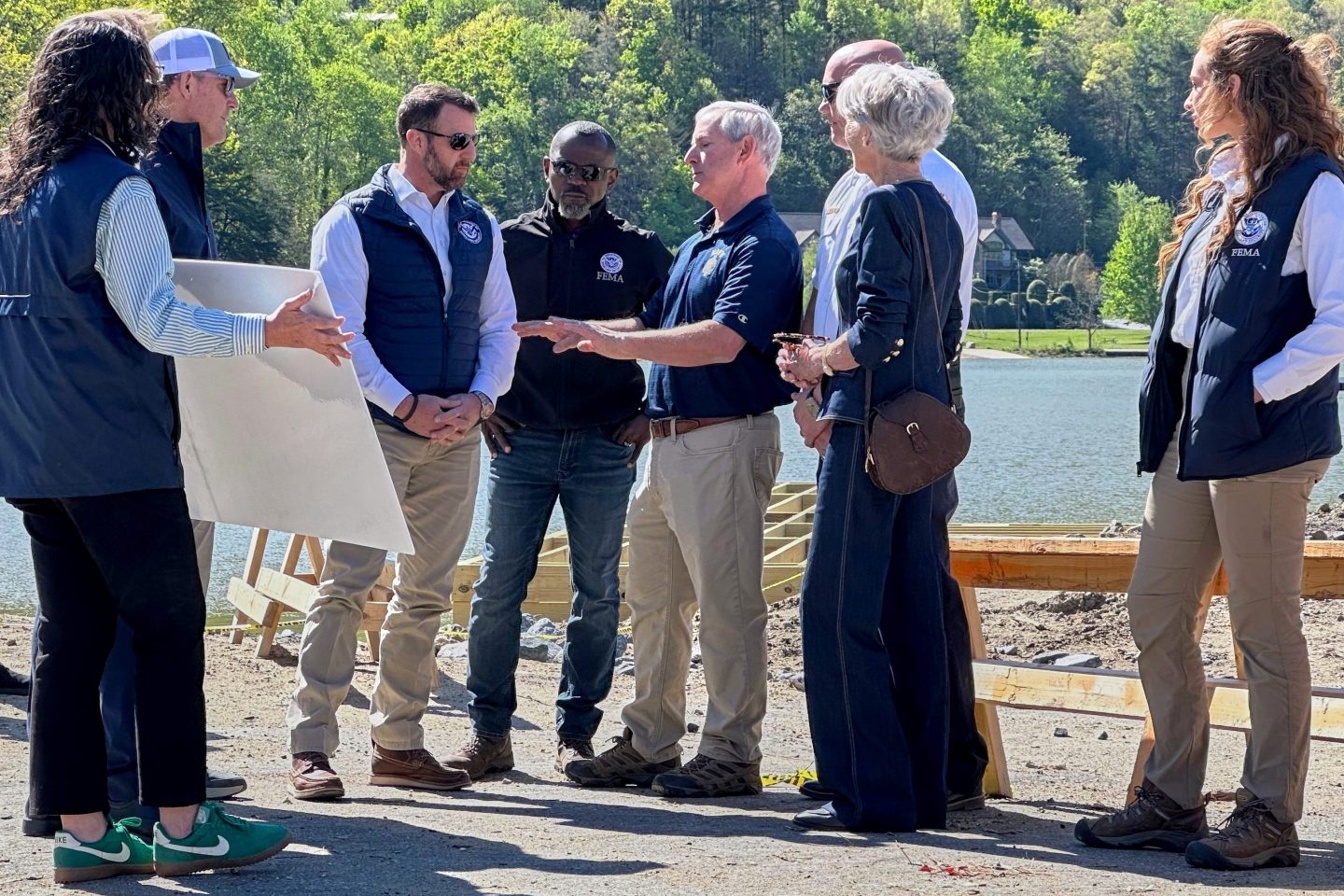
Older cities tend to have older infrastructure that likely wasn’t built to withstand more extreme weather events. They are now scrambling to shore up their systems.
Many cities are investing in infrastructure upgrades, but these upgrades tend to be fragmented, are not permanent fixes and often lack long-term funding. Typically, they also are not broad enough to protect entire cities from the effects of climate change and can exacerbate existing vulnerabilities.
Electricity grids are extremely vulnerable to the mounting effects of severe thunderstorms and winter storms on power lines. Vermont and Michigan are ranked 45th and 46th among the states, respectively, in electricity reliability, which incorporates the frequency of outages and the time it takes utilities to restore power.
Stormwater systems in the Great Lakes region also regularly fail to keep pace with the heavy rainfall and rapid snowmelt caused by climate change. Stormwater systems are routinely designed in accordance with precipitation analyses from the National Oceanic and Atmospheric Administration called Atlas 14, which don’t account for climate change. A new version won’t be available until 2026 at the earliest.
At the confluence of these infrastructure challenges is more frequent and extensive urban flooding in and around haven cities. An analysis by the First Street Foundation, which incorporates future climate projections into precipitation modeling, reveals that five of these six haven cities face moderate or major flood risk.
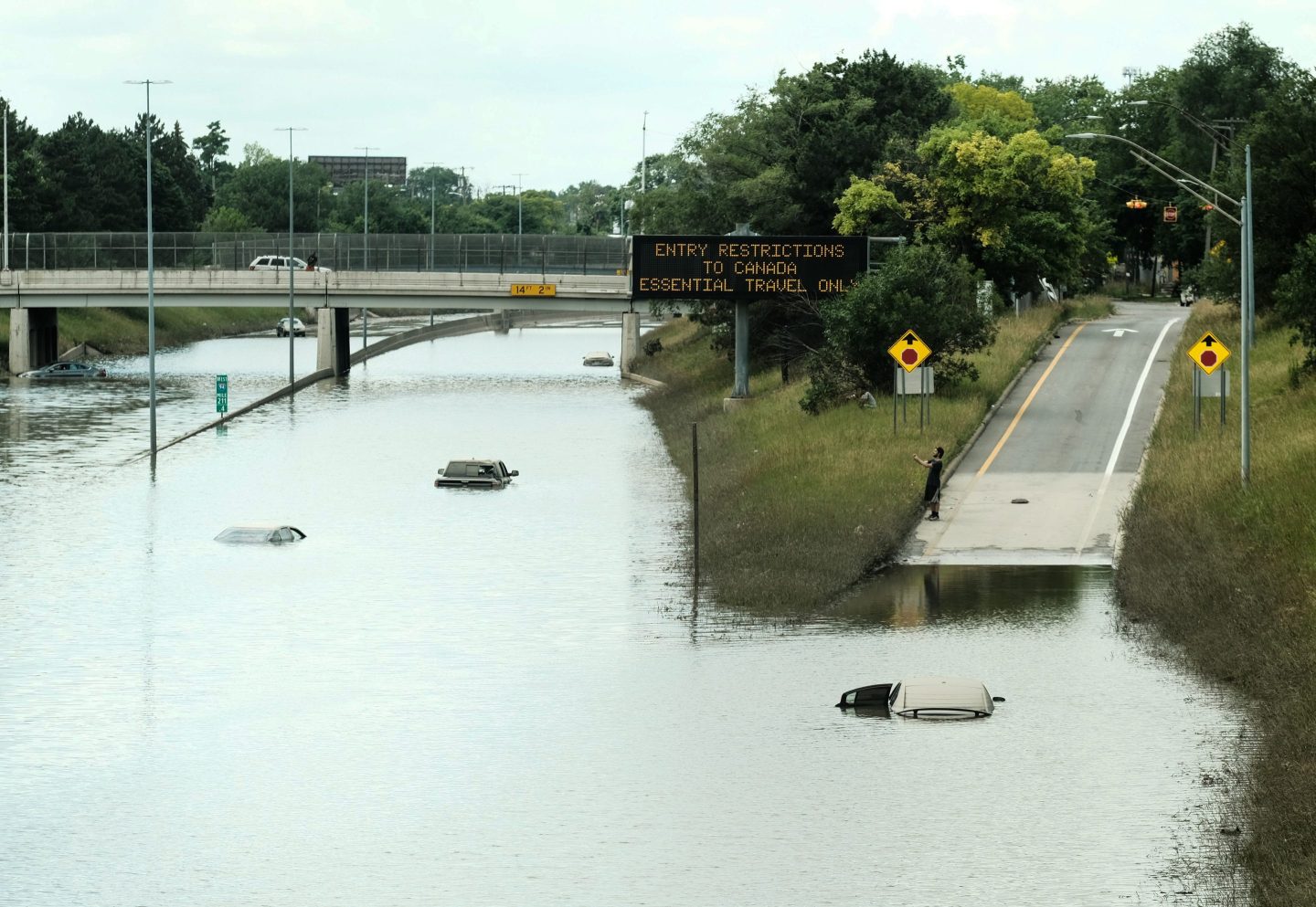
Disaster declaration data shows that the counties housing these six cities have experienced an average of six declarations for severe storms and flooding since 2000, about one every 3.9 years, and these are on the rise.
Intensified precipitation can further stress stormwater infrastructure, resulting in basement flooding, contamination of drinking water sources in cities with legacy sewage systems, and hazardous road and highway flooding. Transportation systems are also contending with hotter temperatures and pavement not designed for extreme heat.
As these trends ramp up, cities everywhere will also have to pay attention to systemic inequalities in vulnerability that often fall along lines of race, wealth and mobility. Urban heat island effects, energy insecurity and heightened flood risk are just a few of the issues intensified by climate change that tend to hit poor residents harder.
What can cities do to prepare?
So, what is a haven city to do in the face of pressing climate changes and population influx?
Decision-makers can hope for the best, but must plan for the worst. That means working to reduce greenhouse gas emissions that are driving climate change, but also assessing the community’s physical infrastructure and social safety nets for vulnerabilities that become more likely in a warming climate.
Collaborating across sectors is also essential. For example, a community may rely on the same water resources for energy, drinking water and recreation. Climate change can affect all three. Working across sectors and including community input in planning for climate change can help highlight concerns early.
There are a number of innovative ways that cities can fund infrastructure projects, such as public-private partnerships and green banks that help support sustainability projects. DC Green Bank in Washington, D.C., for example, works with private companies to mobilize funding for natural stormwater management projects and energy efficiency.
Cities will have to remain vigilant about reducing emissions that contribute to climate change, and at the same time prepare for the climate risks creeping toward even the “climate havens” of the globe.
Julie Arbit, Researcher at the Center for Social Solutions, University of Michigan; Brad Bottoms, Data Scientist at the Center for Social Solutions, University of Michigan, and Earl Lewis, Director and Founder, Center for Social Solutions, Professor of History, Afroamerican and African Studies, and public policy, University of Michigan
This article is republished from The Conversation under a Creative Commons license. Read the original article.