The last few years have disrupted the workplace as we know it. Overnight, phrases like “the Great Resignation” and “quiet quitting” proliferated in conversations, news cycles, and strategic planning meetings. But under the surface, there’s been an equally powerful, yet less visible phenomenon affecting the workplace: rising food insecurity.
The threat of food insecurity isn’t a new one–it’s been plaguing workplaces for years. I know this because I lived it.
I spent my early career in the financial services industry, which coincided with the early months of the Global Financial Crisis, and eventually, the Great Recession. The facade of having it all together (with decent suits and a confident demeanor) was juxtaposed with the real-world uncertainty about where my next meal would come from. During those first 20 or so months of my career, I was in a constant state of panic. I had bills to pay and loans to dig myself out of, and all the while, I still needed to keep up appearances.
I was stressed out and constantly worried that sharing these unrelatable struggles with others would derail my ambitious career goals. My problems seemed different than those of my colleagues, so I was determined to privately work my way through them–and I count my blessings that I was lucky enough to do so. Now that I’ve gotten more comfortable with being vulnerable and sharing this story, it’s astonishing that I wasn’t alone here: A number of my friends and former co-workers (all very successful today) have admitted that they, too, grappled with similar issues at one point.
This begs the question, if gainfully employed people (and that, too, in the financial industry) recall experiencing this, what about people in other industries? What about the average American worker? This isn’t an individual issue-it’s a systemic one.
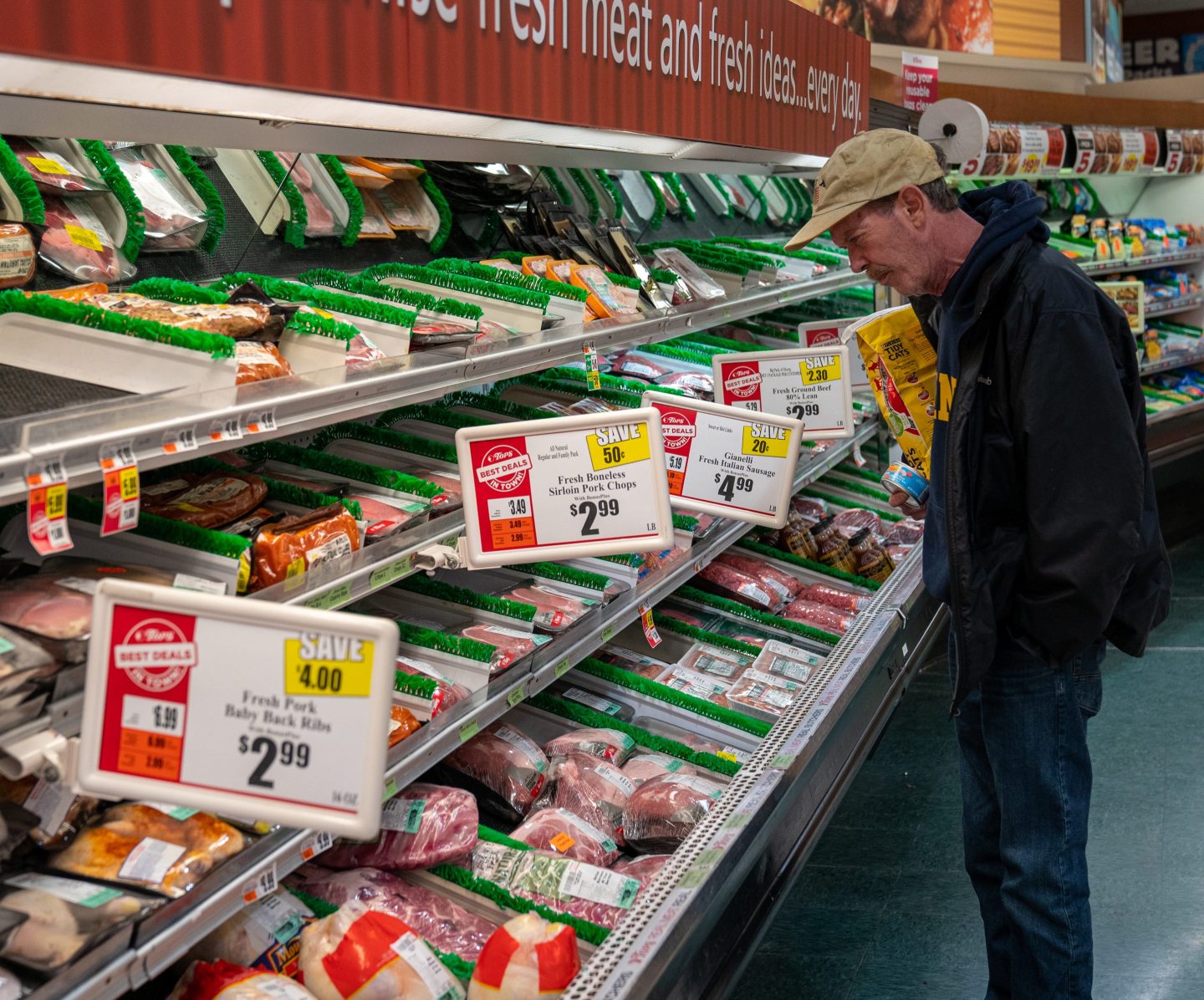
Amid rising costs, stagnant wages, and the omnipresent threat of another recession, there’s no doubt that history is repeating itself across the workforce. In fact, even before the latest surge in food prices, 17.2% of fully employed individuals had recently reported experiencing food insecurity.
Empty plates and malnourished minds have no place anywhere–and especially in the workplace. The good news is, the private sector can fix this, and when we do, it will have a remarkable impact on our workforce, our organizations, and our country.
The state of food insecurity
While the United States has always struggled to address the full scale of our food insecurity crisis, it’s taken on greater heights in recent years against the backdrop of the pandemic, and now, an uncertain economy.
Food insecurity has always had a direct relationship with our nation’s economy. This year, demand for support across regional food banks soared as layoffs spiked and food prices continued to increase. This pattern will continue to play out as millions of households across America have stopped receiving the extra federal SNAP benefits that were granted during the pandemic.
As the economy begins to show signs of slowing down, all data suggests that “food inflation is outpacing overall inflation.” In fact, a January 2023 survey of SNAP users found that 29% had skipped meals, nearly a third had eaten less to manage food costs, and almost a quarter had visited a food bank–all steady increases from the previous month. While the report conveys the need for more resources and greater allocations to the program, in the coming months, individuals will have even fewer resources as the temporary boost to SNAP benefits enacted during the pandemic is set to lapse.
Our team saw the impacts of food insecurity on a community while volunteering with the Los Angeles Regional Food Bank. We served nearly 200 community members–from college grads and newlyweds to homeowners and grandparents–but our work that day was a drop in the bucket compared to the daunting task food banks face across the country, as they brace for a surge in demand.
Recognizing the full scale of our nation’s food insecurity crisis, and realizing an effective solution, demands an understanding of the powerful role food plays in our health and society.
Food is a workplace essential
Over the past few decades, entire industries have been created and sustained to encourage healthy diets and improve overall well-being. But while health may be a focal point–spanning from morning shows and newspaper columns to physicians’ offices and specialty practices–we’ve yet to see meaningful conversations about how food affects the workplace. In fact, the U.S. has lagged behind other nations in this narrative altogether.
In over 30 countries around the world, employee meal vouchers are either nationally mandated or a common practice among employers–almost as pervasive as employer-sponsored health insurance in the U.S. We are behind, and cannot afford to do this any longer.
Beyond catching up with other nations who have made strides on this topic, there are measurable benefits to feeding America’s workers. What we eat directly impacts cognitive function and our moods, both of which influence the quality of worker output.
When America’s workers lack access to quality, healthy food, they are deprived of the energy they need to sustain the workday. It’s time we recognize that feeding employees isn’t a cost, it’s an investment–in both their well-being as individuals and the resilience of your organization.
Solving this issue can have a measurable impact on the well-being and the long-term viability of America’s workforce, while also reducing the long-term stress (and costs) on our healthcare system.
Ensuring employees have access to quality, healthy meals provides peace of mind, a better quality of life, and a better-equipped and higher-performing workforce. Now that we’ve put the pandemic behind us, let’s come together and solve America’s ongoing epidemic: food insecurity in the workplace.
Dilip Rao is the CEO and co-founder of Sharebite.
The opinions expressed in Fortune.com commentary pieces are solely the views of their authors and do not necessarily reflect the opinions and beliefs of Fortune.
More must-read commentary published by Fortune:
- ‘The global economy is due for a reality check,’ warns the central banks‘ bank
- Demand for urban real estate will be challenged for the rest of the decade. Here’s how the world’s superstar cities are projected to fare by 2030
- ‘The Feckless 400’: These companies are still doing business in Russia–and funding Putin’s war
- Great Place To Work CEO: ‘It’s time to acknowledge why diversity makes us uncomfortable’