• Home
  • Latest
  • Fortune 500
  • Finance
  • Tech
  • Leadership
  • Lifestyle
  • Rankings
  • Multimedia
CommentaryBanks

U.S. crypto banking is under frontal assault. Here’s what it will take for the regulatory freeze to thaw, according to a former Fed examiner

By
Mark T. Williams
Mark T. Williams
Down Arrow Button Icon
By
Mark T. Williams
Mark T. Williams
Down Arrow Button Icon
June 21, 2023, 5:40 AM ET
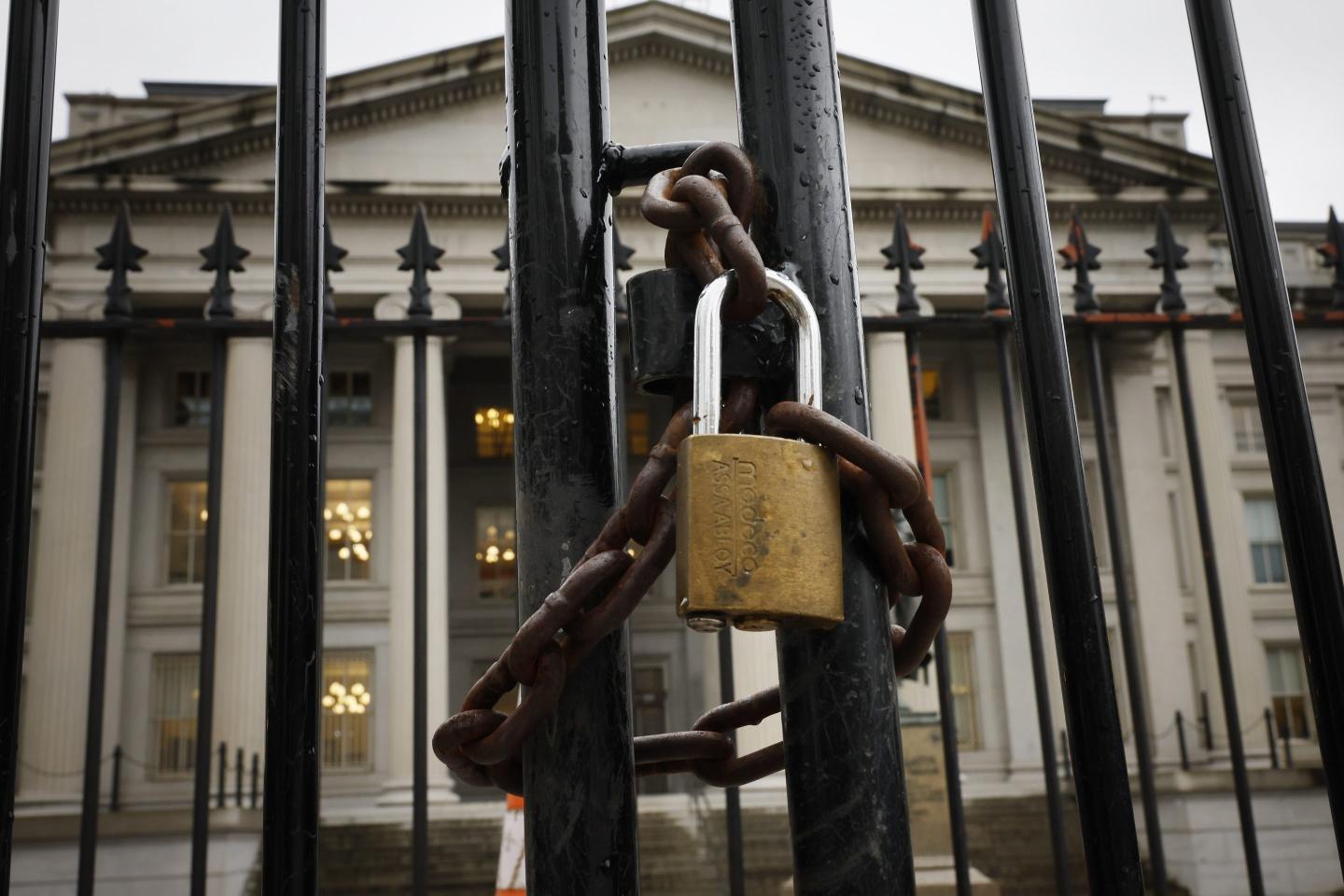
The U.S. Department of Treasury building in the wake of Silicon Valley Bank's collapse in March.
The U.S. Department of Treasury building in the wake of Silicon Valley Bank's collapse in March.Chip Somodevilla—Getty Images

The spectacular failures of Silvergate Capital, Signature Bank, and Silicon Valley Bank have exposed weaknesses in the U.S. crypto banking sector, putting into question its future, and how the industry can grow domestically should this important infrastructure not be rebuilt. Since March, the risk appetite of banks and regulators to allow further crypto expansion into the larger U.S. financial system has greatly diminished.

Crypto got its break during the 2008 banking crisis. The failure of Lehman Brothers and other large institutions redirected regulatory attention to the too-big-to-fail banks, and away from the smaller banks.  In January 2009, the first block of bitcoin traded. As awareness of crypto grew, trading expanded and prices soared, an infrastructure of exchanges and newly funded ventures arose. Flush with billions in cash, these crypto-focused ventures sought safe places to park funds. In 2014, Silvergate, filled this breach and became the first U.S. crypto bank. Initially, they reaped remarkable deposit and stock growth. By 2021, Silvergate had morphed from a sleepy, La Jolla, California-based community bank with just over $1 billion in deposits, to a $14 billion crypto-friendly financial institution. During this period, the San Francisco Federal Reserve, its primary regulator, appeared unconcerned about Silvergate’s hypergrowth and concentrated industry risk strategy. Other banks eager to bet on crypto also emerged.  In 2018, New York-based Signature, entered crypto, quickly growing its digital assets deposits to 20% of its funding base ($20 billion). By 2022, Signature was the country’s largest crypto bank. Silicon Valley Bank, to a lesser extent, also banked crypto, including Boston-based Circle, the world’s second-largest stablecoin producer. This single customer parked over $3 billion of uninsured funds with them.  Coinbase, the largest U.S.-based exchange was first banked by them too.

In addition to deposit, lending, and money transfer services, these banks also provided legitimacy. This was valuable to an industry that was not known for strong internal controls, adequate board oversight, or rigor in preventing money laundering. With this newly laid banking infrastructure, it appeared crypto was poised for sustained, rapid growth.

The collapse of scandal-ridden FTX in November 2022 set off a chain reaction and exposed the weak safety and soundness practices of these crypto banks. FTX had almost $1 billion on deposit with Silvergate, representing about 9% of the bank’s total funding. Once FTX failed, they withdrew all funds from Silvergate and Signature Bank. This fueled greater nervousness among remaining depositors and by the fourth quarter of 2022, these banks experienced significant depositor runs. Silvergate failed on Mar. 8, SVB on Mar. 10, and Signature on Mar. 12. In only four days, the central U.S. crypto banking sector was demolished. Other banks, including New Jersey-based Cross River Bank, continue to provide crypto services–but their scope and reach pale in comparison to the three financial institutions that failed.

These sudden failures and depositor runs extended to non-crypto banks including Credit Suisse and First Republic Bank, further heightening regulators’ concerns about the potential spillover effect crypto could have on the larger banking sector.  

It would be naïve to say that the Silvergate-sparked bank run would have been muted if the crypto risk had been spread-out among more banks. On the contrary, more banks applying the same weak banking practices would have only amplified the systemic risk. 

Even prior to these March failures, regulators were cooling to crypto banking. In January, the Fed issued a joint regulatory warning, outlining the risk to banks targeting digital asset customers. The SEC has also taken an increasingly anti-crypto stance, ramping up legal actions against Binance and Coinbase, the industry’s two largest exchanges.

Industry cooling is also reflected in the level of crypto venture funding: For the first half of 2023, VC funding has dropped by more than 90% and is not expected to come back anytime soon.

Crypto scandals, recent bank events, and tighter regulatory scrutiny have created a chokehold, that if not remedied, will impede the industry’s growth, limit innovation, and force businesses to move to more crypto-friendly territories, including Switzerland, Singapore, and Puerto Rico. 

FinTech innovation, including blockchain technology, holds much promise in providing more secure ways to move and store value in a decentralized manner.

To grow, the crypto industry requires banks and funding. Yet the industry needs to better police itself internally and apply higher standards of conduct.  Banks that enter this space also need to follow stronger risk management standards.  The chokehold can be reduced when proper banking practices are applied to crypto.  Once regulatory trust is regained, the regulatory freeze will thaw.

Mark T. Williams is on the finance faculty at Boston University Questrom School of Business, a former Federal Reserve Bank examiner, and currently serves as president of the Boston Economic Club.

The opinions expressed in Fortune.com commentary pieces are solely the views of their authors and do not necessarily reflect the opinions and beliefs of Fortune.

More must-read commentary published by Fortune:

  • The ‘Elon Paradox’: He sells Teslas–but you’d expect him to drive a Ram. Here’s what your car says about your politics
  • The alt-right economy is failing. Here’s the real performance of anti-woke entrepreneurs
  • E-bike injuries: ‘We’re only seeing the tip of the iceberg,’ trauma experts warn
  • Asana CEO: ‘The way we work right now will soon look vestigial. Here’s how A.I. will make work more human’
Join us at the Fortune Workplace Innovation Summit May 19–20, 2026, in Atlanta. The next era of workplace innovation is here—and the old playbook is being rewritten. At this exclusive, high-energy event, the world’s most innovative leaders will convene to explore how AI, humanity, and strategy converge to redefine, again, the future of work. Register now.
About the Author
By Mark T. Williams
See full bioRight Arrow Button Icon

Latest in Commentary

Finance
Lorem ipsum dolor sit amet, consectetur adipiscing elit, sed do eiusmod tempor incididunt ut labore et dolore magna aliqua. Ut enim ad minim veniam
By Fortune Editors
October 20, 2025
Finance
Lorem ipsum dolor sit amet, consectetur adipiscing elit, sed do eiusmod tempor incididunt ut labore et dolore magna aliqua. Ut enim ad minim veniam
By Fortune Editors
October 20, 2025
Finance
Lorem ipsum dolor sit amet, consectetur adipiscing elit, sed do eiusmod tempor incididunt ut labore et dolore magna aliqua. Ut enim ad minim veniam
By Fortune Editors
October 20, 2025
Finance
Lorem ipsum dolor sit amet, consectetur adipiscing elit, sed do eiusmod tempor incididunt ut labore et dolore magna aliqua. Ut enim ad minim veniam
By Fortune Editors
October 20, 2025
Finance
Lorem ipsum dolor sit amet, consectetur adipiscing elit, sed do eiusmod tempor incididunt ut labore et dolore magna aliqua. Ut enim ad minim veniam
By Fortune Editors
October 20, 2025
Finance
Lorem ipsum dolor sit amet, consectetur adipiscing elit, sed do eiusmod tempor incididunt ut labore et dolore magna aliqua. Ut enim ad minim veniam
By Fortune Editors
October 20, 2025

Most Popular

Finance
Lorem ipsum dolor sit amet, consectetur adipiscing elit, sed do eiusmod tempor incididunt ut labore et dolore magna aliqua. Ut enim ad minim veniam
By Fortune Editors
October 20, 2025
Finance
Lorem ipsum dolor sit amet, consectetur adipiscing elit, sed do eiusmod tempor incididunt ut labore et dolore magna aliqua. Ut enim ad minim veniam
By Fortune Editors
October 20, 2025
Finance
Lorem ipsum dolor sit amet, consectetur adipiscing elit, sed do eiusmod tempor incididunt ut labore et dolore magna aliqua. Ut enim ad minim veniam
By Fortune Editors
October 20, 2025
Finance
Lorem ipsum dolor sit amet, consectetur adipiscing elit, sed do eiusmod tempor incididunt ut labore et dolore magna aliqua. Ut enim ad minim veniam
By Fortune Editors
October 20, 2025
Finance
Lorem ipsum dolor sit amet, consectetur adipiscing elit, sed do eiusmod tempor incididunt ut labore et dolore magna aliqua. Ut enim ad minim veniam
By Fortune Editors
October 20, 2025
Finance
Lorem ipsum dolor sit amet, consectetur adipiscing elit, sed do eiusmod tempor incididunt ut labore et dolore magna aliqua. Ut enim ad minim veniam
By Fortune Editors
October 20, 2025
Fortune Secondary Logo
Rankings
  • 100 Best Companies
  • Fortune 500
  • Global 500
  • Fortune 500 Europe
  • Most Powerful Women
  • Future 50
  • World’s Most Admired Companies
  • See All Rankings
Sections
  • Finance
  • Fortune Crypto
  • Features
  • Leadership
  • Health
  • Commentary
  • Success
  • Retail
  • Mpw
  • Tech
  • Lifestyle
  • CEO Initiative
  • Asia
  • Politics
  • Conferences
  • Europe
  • Newsletters
  • Personal Finance
  • Environment
  • Magazine
  • Education
Customer Support
  • Frequently Asked Questions
  • Customer Service Portal
  • Privacy Policy
  • Terms Of Use
  • Single Issues For Purchase
  • International Print
Commercial Services
  • Advertising
  • Fortune Brand Studio
  • Fortune Analytics
  • Fortune Conferences
  • Business Development
  • Group Subscriptions
About Us
  • About Us
  • Editorial Calendar
  • Press Center
  • Work At Fortune
  • Diversity And Inclusion
  • Terms And Conditions
  • Site Map
  • About Us
  • Editorial Calendar
  • Press Center
  • Work At Fortune
  • Diversity And Inclusion
  • Terms And Conditions
  • Site Map
  • Facebook icon
  • Twitter icon
  • LinkedIn icon
  • Instagram icon
  • Pinterest icon

Latest in Commentary

trump
CommentaryZoom
The U.S. has a $282 billion trade surplus you’ve never heard of — and it’s at risk
By Josh KallmerApril 19, 2026
2 days ago
benioff
CommentarySalesforce
AI’s next act: how Salesforce is turning efficiency gains into revenue
By Keith Ferrazzi and Wendy SmithApril 18, 2026
2 days ago
trump
CommentaryWhite House
Trump has already endorsed the Monroe Doctrine. Now he needs to endorse the Truman Doctrine
By Robert HormatsApril 18, 2026
3 days ago
trump
CommentaryManufacturing
Tariffs alone won’t save American manufacturing — here’s what actually will
By Johan "Kip" EidebergApril 18, 2026
3 days ago
hormuz
CommentaryIran
With Hormuz under strain, a trade corridor built for resilience faces a real-world test
By Angela Chitkara and Samantha SuttonApril 17, 2026
3 days ago
broker
CommentarySoftware
The 3 forces quietly dismantling the business model that made enterprise software fabulously profitable
By Michael Jacobides and Stefano PuntoniApril 17, 2026
3 days ago

Most Popular

Thousands of CEOs admit AI had no impact on employment or productivity—and it has economists resurrecting a paradox from 40 years ago
AI
Thousands of CEOs admit AI had no impact on employment or productivity—and it has economists resurrecting a paradox from 40 years ago
By Sasha RogelbergApril 19, 2026
1 day ago
Markets shudder as Strait of Hormuz starts resembling a combat zone. 'We're prepared to subject you to disabling fire'
Energy
Markets shudder as Strait of Hormuz starts resembling a combat zone. 'We're prepared to subject you to disabling fire'
By Jason MaApril 19, 2026
23 hours ago
The explosion of U.S. debt is wiping out the 'safety premium' of Treasury bonds, and time is running out for an orderly fiscal solution, IMF warns
Economy
The explosion of U.S. debt is wiping out the 'safety premium' of Treasury bonds, and time is running out for an orderly fiscal solution, IMF warns
By Jason MaApril 19, 2026
1 day ago
Elon Musk bans résumés and cover letters in hiring for his chip team. These are the 3 bullet points he’s looking for instead
Future of Work
Elon Musk bans résumés and cover letters in hiring for his chip team. These are the 3 bullet points he’s looking for instead
By Jake AngeloApril 19, 2026
1 day ago
'We should absolutely be concerned about noncollege-educated men today': higher rents, living at home, falling out of the labor market
Economy
'We should absolutely be concerned about noncollege-educated men today': higher rents, living at home, falling out of the labor market
By Catherina GioinoApril 18, 2026
3 days ago
The director of the Congressional Budget Office—known for its gloomy national debt data—is very optimistic that a crisis will be avoided entirely
Economy
The director of the Congressional Budget Office—known for its gloomy national debt data—is very optimistic that a crisis will be avoided entirely
By Eleanor PringleApril 20, 2026
16 hours ago

© 2026 Fortune Media IP Limited. All Rights Reserved. Use of this site constitutes acceptance of our Terms of Use and Privacy Policy | CA Notice at Collection and Privacy Notice | Do Not Sell/Share My Personal Information
FORTUNE is a trademark of Fortune Media IP Limited, registered in the U.S. and other countries. FORTUNE may receive compensation for some links to products and services on this website. Offers may be subject to change without notice.