If, as expected, the Federal Reserve raises interest rates yet again Wednesday in its drive to cool inflation, much of America will be directly affected.
Rates on credit cards, mortgages and auto loans, which have been surging since the Fed began raising rates last year, all stand to rise even more. The result will be more burdensome loan costs for both consumers and businesses.
On the other hand, many banks are now offering higher rates on savings accounts, giving savers the opportunity to earn more interest.
Economists worry, though, about whether the Fed’s streak of 10 rate hikes since March 2022 will eventually cause the economy to slow too much and cause a recession.
Here’s what to know:
What’s prompting the rate increases?
The short answer: Inflation. Inflation has been slowing in recent months, but it’s still high. Measured over a year earlier, consumer prices were up 5% in March, down sharply from February’s 6% year-over-year increase.
The Fed’s goal is to slow consumer spending, thereby reducing demand for homes, cars and other goods and services, eventually cooling the economy and lowering prices.
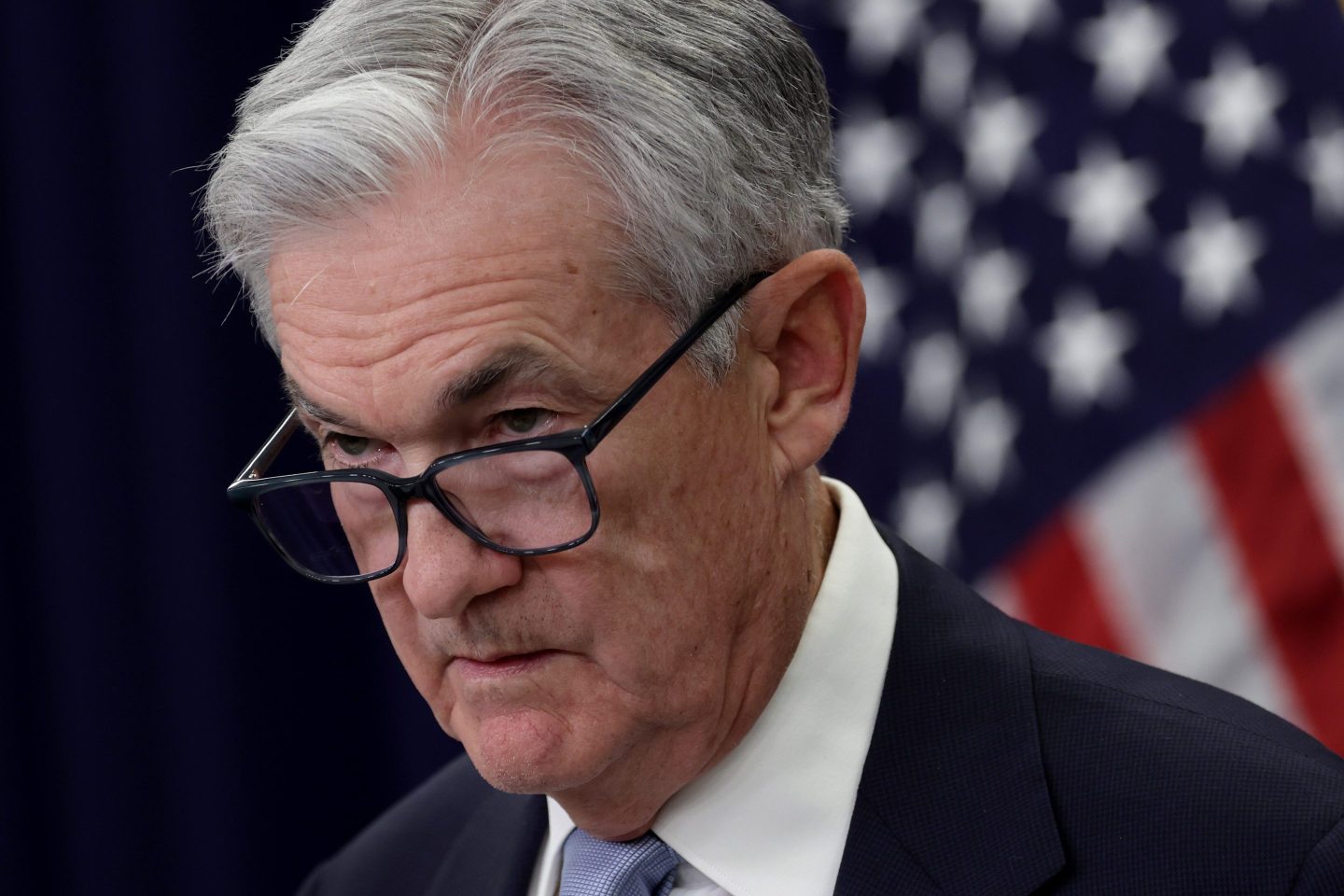
Fed Chair Jerome Powell has acknowledged in the past that aggressively raising rates would bring “some pain” for households but said that doing so is necessary to crush high inflation.
Who is most affected?
Anyone borrowing money to make a large purchase, such as a home, car or large appliance, will likely take a hit. The new rate will also increase monthly payments and costs for any consumer who is already paying interest on credit card debt.
“Consumers should focus on building up emergency savings and paying down debt,” said Greg McBride, Bankrate.com’s chief financial analyst. “Even if this proves to be the final Fed rate hike, interest rates are still high and will remain that way.”
What’s happening with credit cards?
Even before the Fed’s latest move, credit card borrowing had reached the highest level since 1996, according to Bankrate.com.
The most recent data available showed that 46% of people were carrying debt from month to month, up from 39% a year ago. Total credit card balances were $986 billion in the fourth quarter of 2022, according to the Fed, a record high, though that amount isn’t adjusted for inflation.
For those who don’t qualify for low-rate credit cards because of weak credit scores, the higher interest rates are already affecting their balances.
How will an increase affect credit card rates?
The Fed doesn’t directly dictate how much interest you pay on your credit card debt. But the Fed’s rate is the basis for your bank’s prime rate. In combination with other factors, such as your credit score, the prime rate helps determine the Annual Percentage Rate, or APR, on your credit card.
The latest increase will likely raise the APR on your credit card 0.25%. So, if you have a 20.9% rate, which is the average according to the Fed’s data, it might increase to 21.15%.
If you don’t carry a balance from month to month, the APR is less important.
But suppose you have a $4,000 credit balance and your interest rate is 20%. If you made only a fixed payment of $110 per month, it would take you a bit under five years to pay off your credit card debt, and you would pay about $2,200 in interest.
If your APR increased by a percentage point, paying off your balance would take two months longer and cost an additional $215.
What if I have money to save?
After years of paying low rates for savers, some banks are finally offering better interest on deposits. Though the increases may seem small, compounding interest adds up over the years.
Interest on savings accounts doesn’t always track what the Fed does. But as rates have continued to rise, some banks have improved their terms for savers as well. Even if you’re only keeping modest savings in your bank account, you could make more significant gains over the long term by finding an account with a better rate.
While the biggest national banks have yet to dramatically change the rates on their savings accounts (clocking in at an average of just 0.23%, according to Bankrate), some mid-size and smaller banks have made changes more in line with the Fed’s moves.
Online banks in particular — which save money by not having brick-and-mortar branches and associated expenses — are now offering savings accounts with annual percentage yields of between 3% and 4%, or even higher, as well as 4% or higher on one-year Certificates of Deposit (CDs). Some promotional rates can reach as high as 5%.
Will this affect home ownership?
Last week, mortgage buyer Freddie Mac reported that the average rate on the benchmark 30-year mortgage edged up to 6.43% from 6.39% the week prior. A year ago, the average rate was lower: 5.10%. Higher rates can add hundreds of dollars a month to mortgage payments.
Rates for 30-year mortgages usually track the moves in the 10-year Treasury yield. Rates can also be influenced by investors’ expectations for future inflation, global demand for U.S. Treasuries and what the Fed does.
Most mortgages last for decades, so if you already have a mortgage, you won’t be impacted. But if you’re looking to buy and already paying more for food, gas and other necessities, a higher mortgage rate could put home ownership out of reach.
What if I want to buy a car?
With shortages of computer chips and other parts easing, automakers are producing more vehicles. Many are even reducing prices or offering limited discounts. But rising loan rates and lower used-vehicle trade-in values have erased much of the savings on monthly payments.
Since the Fed began raising rates in March 2022, the average new-vehicle loan rate has jumped from 4.5% to 7%, according to Edmunds data. Used vehicle loans dropped slightly to 11.1%. Loan durations average around 70 months — nearly six years — for new and used vehicles.
Largely because of rate increases, the average monthly payment for both new and used vehicles has risen since March 2022, Edmunds says. The average new vehicle payment is up $72 to $729, Edmunds says. For used vehicles, the payment rose $20 a month to $546.
The higher rates will keep out of the market people who have the ability to wait for more favorable terms, said Joseph Yoon, Edmunds’ consumer insights analyst.
“But with inventory levels improving, it’s a matter of time before discounts and incentives start coming back into the equation,” attracting more buyers, Yoon said.
New vehicle average prices are down from the end of last year to $47,749. But they’re still high compared with even a year ago. The average used vehicle price dropped 7% from last May’s peak, to $28,729, but prices are edging back up.
Financing a new vehicle now costs $8,655 in interest. Analysts say that’s enough to chase many out of the auto market.
Any Fed rate increase is typically passed through to auto borrowers, though it will be offset a bit by subsidized rates from manufacturers.
What about my job?
The nation’s employers kept hiring in March, adding a healthy 236,000 jobs. The unemployment rate fell to 3.5%, just above the 53-year low of 3.4% set in January. At the same time, the report from the Labor Department suggested a slowdown, with pay growth also easing.
Some economists argue that layoffs could help slow rising prices, and that a tight labor market fuels wage growth and higher inflation.
Economists expect the unemployment rate to go up to 3.6% in April, a slight increase from January’s half-century low of 3.4%.
Will this affect student loans?
Borrowers who take out new private student loans should prepare to pay more as as rates increase. The current range for federal loans is between about 5% and 7.5%.
That said, payments on federal student loans are suspended with zero interest until summer 2023 as part of an emergency measure put in place early in the pandemic. President Joe Biden has also announced some loan forgiveness, of up to $10,000 for most borrowers, and up to $20,000 for Pell Grant recipients — a policy that’s now being challenged in the courts.
___
AP Business Writers Christopher Rugaber in Washington, Tom Krisher in Detroit and Damian Troise and Ken Sweet in New York contributed to this report.
___
The Associated Press receives support from Charles Schwab Foundation for educational and explanatory reporting to improve financial literacy. The independent foundation is separate from Charles Schwab and Co. Inc. The AP is solely responsible for its journalism.