• Home
  • Latest
  • Fortune 500
  • Finance
  • Tech
  • Leadership
  • Lifestyle
  • Rankings
  • Multimedia

Trendingnow

1

Erin Brockovich, the activist who defeated a utility giant and inspired a Julia Roberts film, is pushing data centers to be more transparent

2

Social Security unraveling: 7,100 workers sacked, performance metrics retired, disability claims falling

3

'Where we are today is frightening': a Pulitzer-winning historian sees a doomsday scenario involving China and the national debt

1

Erin Brockovich, the activist who defeated a utility giant and inspired a Julia Roberts film, is pushing data centers to be more transparent

2

Social Security unraveling: 7,100 workers sacked, performance metrics retired, disability claims falling

3

'Where we are today is frightening': a Pulitzer-winning historian sees a doomsday scenario involving China and the national debt
CommentaryEnvironment
Europe

The destruction of nature threatens the world economy. It’s time to outlaw it as a serious financial crime

By
Midori Paxton
Midori Paxton
Down Arrow Button Icon
By
Midori Paxton
Midori Paxton
Down Arrow Button Icon
April 21, 2023, 5:49 AM ET
View of a tree in a deforested area in the middle of the Amazon jungle seen during an overflight by Greenpeace activists over areas of illegal exploitation of timber in 2014.
View of a tree in a deforested area in the middle of the Amazon jungle seen during an overflight by Greenpeace activists over areas of illegal exploitation of timber in 2014.RAPHAEL ALVES- AFP - Getty Images

From extinctions to deforestation, humanity is paying the ultimate price for allowing the global economy to undervalue nature and natural resources.   

Not only has the world been underinvesting in protecting biodiversity for too long, but many economic activities are also actively damaging it, something which should be considered wholesale theft of valuable shared assets.

The destruction of nature defrauds countries and society, jeopardizing the resources that currently generate around half of the global GDP, or an estimated $44 trillion. The impact of losing wild pollinators, marine fisheries, and timber from tropical forests—just a fraction of ecosystem services—could reduce global GDP by an estimated $2.7 trillion annually by 2030.  

The economics of our current relationship with nature is bleak. The seminal Dasgupta report on the economics of biodiversity found that our demands on nature now exceed nature’s capacity to supply them, putting biodiversity under huge pressure, and future generations at “extreme risk.”

To maximize deterrents against abusing nature and recognize its costly consequences, countries must urgently outlaw the destruction and degradation of nature. Prosecuting the theft of natural capital as we would any other financial crime would force a global rethink in how nature is valued, grounded in legal and economic accountability that acknowledges healthy ecosystems as a cornerstone of our collective well-being.

As a starting point, the definition of natural asset classes, such as land, must be expanded to include ecosystem services beyond the “owner” of the land asset to capture its wider impact on all stakeholders. Considering nature—and all its diverse ecosystem services that fall under an organization’s responsible management—an asset class alongside real estate, cash, bonds, and equity would help embed environmental degradation and biodiversity loss as a material risk to businesses and investments.

At the same time, it would position nature as an appreciating asset if protected and sustainably managed. Legal interests, if extended beyond the “owner” of the land, could include all parties with an interest in the preservation of its value, including future generations.

Doing so would hold those causing harm to a higher account and increase the legal incentives for protecting nature. Incorporating nature fully as an asset class would also send clear signals that investing in environmental preservation is not a tradeoff but rather a source of new and sustainable benefits that result from protecting critical natural resources into the future. Unlocking such incentives could therefore play a fundamental role in achieving the 17 Sustainable Development Goals by 2030, including reducing poverty and protecting life on land and below water.

Such a shift is starting to take place. The UN General Assembly (UNGA) voted positively on a resolution to see an advisory opinion from the International Criminal Court of Justice (ICJ) on countries’ obligations to address climate change signals consequences for inaction.

Last year, the human right to a clean, healthy, and sustainable environment was formally recognized by UNGA, raising expectations of governments and businesses alike to respect, protect, and fulfill this right. The European Union is now considering proposals to fine companies at least 10% of their turnover and ban them from accessing public funding for environmental crimes like pollution from shipping. These initiatives are coherent with a draft Directive on Corporate Sustainability set to be adopted this year, which will make human rights and environmental due diligence mandatory, and introduce civil liabilities for noncompliant large companies operating in the 27 member states.

The fight against wildlife poaching has also come a long way. Previously deterred often by only meager fines, illegal poaching is now increasingly linked to and prosecuted as a crime of illegal trafficking and subject to far wider and more serious legal deterrents, including imprisonment.

A number of initiatives and mechanisms are emerging to increasingly educate decision-makers about the responsibilities and liabilities they have to the planet’s natural resources.  For example, the Taskforce on Nature-related Financial Disclosures (TNFD) is developing a framework to enable companies to gauge—and report on—their business impact and dependency on nature, thereby elucidating nature-related financial risks.

Meanwhile, other movements are continuing to create momentum toward a revaluation of nature and the risks of its destruction. The Stop Ecocide Foundation is engaging with intergovernmental processes toward making the wanton destruction of nature at a long-term, widespread scale an international crime.   

Movements to advocate for nature’s right to exist, thrive, and regenerate could have a myriad of positive impacts to slow biodiversity loss across the world. For example, campaigners are calling for the North Sea to be given legal rights to force consideration of the impact of offshore oil rigs and wind farms on climate change and biodiversity loss. Multiple countries around the world have already started to take steps in this direction in their legal recognition of the rights of nature.

The UN Development Programme (UNDP), through its BIOFIN initiative, is also working with more than 40 countries to develop national biodiversity finance plans, offering 150 viable mechanisms from which governments can choose to protect and invest in nature without economic tradeoffs. This includes repurposing nature-harming subsidies to incentivize nature-positive initiatives with greater equity.   

Efforts toward greater accountability are in progress, but a unified push is needed from governments, global agencies, civil society, and nonprofits to transform the value we place on nature—and shift our perception of the cost of its damage. Material, enforceable liability for the theft or destruction of our natural assets can be a significant lever for change in favor of a sustainable future on a healthy planet.

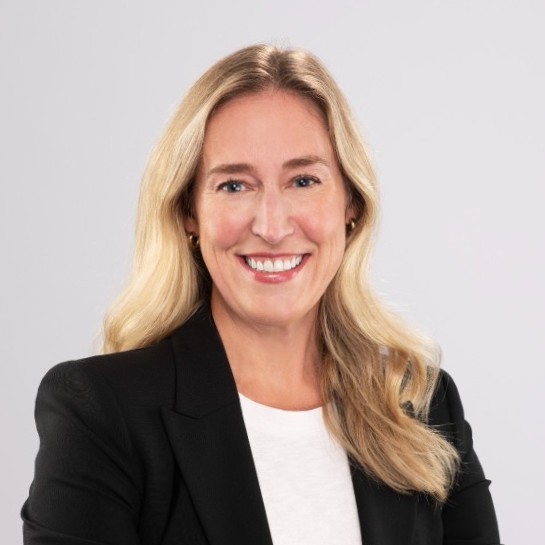
Midori Paxton is the head of ecosystems and biodiversity at the United Nations Development Programme (UNDP).

The opinions expressed in Fortune.com commentary pieces are solely the views of their authors and do not necessarily reflect the opinions and beliefs of Fortune.

More must-read commentary published by Fortune:

  • A recession in 2023 is now inevitable. Layoffs in tech and finance will spread to other sectors
  • IBM CEO: ‘Today’s workforce should prepare to work hand in hand with A.I.’
  • I am a Starbucks barista who doesn’t qualify for all the wonderful benefits you keep hearing about. We want the ‘different kind of company’ that Howard Schultz promised but failed to deliver
  • America’s ‘disease burden’ is getting heavier by the day–and it’s unevenly distributed across states
About the Author
By Midori Paxton
See full bioRight Arrow Button Icon

Latest in Commentary

Finance
Lorem ipsum dolor sit amet, consectetur adipiscing elit, sed do eiusmod tempor incididunt ut labore et dolore magna aliqua. Ut enim ad minim veniam
By Fortune Editors
October 20, 2025
Finance
Lorem ipsum dolor sit amet, consectetur adipiscing elit, sed do eiusmod tempor incididunt ut labore et dolore magna aliqua. Ut enim ad minim veniam
By Fortune Editors
October 20, 2025
Finance
Lorem ipsum dolor sit amet, consectetur adipiscing elit, sed do eiusmod tempor incididunt ut labore et dolore magna aliqua. Ut enim ad minim veniam
By Fortune Editors
October 20, 2025
Finance
Lorem ipsum dolor sit amet, consectetur adipiscing elit, sed do eiusmod tempor incididunt ut labore et dolore magna aliqua. Ut enim ad minim veniam
By Fortune Editors
October 20, 2025
Finance
Lorem ipsum dolor sit amet, consectetur adipiscing elit, sed do eiusmod tempor incididunt ut labore et dolore magna aliqua. Ut enim ad minim veniam
By Fortune Editors
October 20, 2025
Finance
Lorem ipsum dolor sit amet, consectetur adipiscing elit, sed do eiusmod tempor incididunt ut labore et dolore magna aliqua. Ut enim ad minim veniam
By Fortune Editors
October 20, 2025

Most Popular

Finance
Lorem ipsum dolor sit amet, consectetur adipiscing elit, sed do eiusmod tempor incididunt ut labore et dolore magna aliqua. Ut enim ad minim veniam
By Fortune Editors
October 20, 2025
Finance
Lorem ipsum dolor sit amet, consectetur adipiscing elit, sed do eiusmod tempor incididunt ut labore et dolore magna aliqua. Ut enim ad minim veniam
By Fortune Editors
October 20, 2025
Finance
Lorem ipsum dolor sit amet, consectetur adipiscing elit, sed do eiusmod tempor incididunt ut labore et dolore magna aliqua. Ut enim ad minim veniam
By Fortune Editors
October 20, 2025
Finance
Lorem ipsum dolor sit amet, consectetur adipiscing elit, sed do eiusmod tempor incididunt ut labore et dolore magna aliqua. Ut enim ad minim veniam
By Fortune Editors
October 20, 2025
Finance
Lorem ipsum dolor sit amet, consectetur adipiscing elit, sed do eiusmod tempor incididunt ut labore et dolore magna aliqua. Ut enim ad minim veniam
By Fortune Editors
October 20, 2025
Finance
Lorem ipsum dolor sit amet, consectetur adipiscing elit, sed do eiusmod tempor incididunt ut labore et dolore magna aliqua. Ut enim ad minim veniam
By Fortune Editors
October 20, 2025
Fortune Secondary Logo
Rankings
  • 100 Best Companies
  • Fortune 500
  • Global 500
  • Fortune 500 Europe
  • Most Powerful Women
  • World's Most Admired Companies
  • See All Rankings
  • Lists Calendar
Sections
  • Finance
  • Fortune Crypto
  • Features
  • Leadership
  • Health
  • Commentary
  • Success
  • Retail
  • Mpw
  • Tech
  • Lifestyle
  • CEO Initiative
  • Asia
  • Politics
  • Conferences
  • Europe
  • Newsletters
  • Personal Finance
  • Environment
  • Magazine
  • Education
Customer Support
  • Frequently Asked Questions
  • Customer Service Portal
  • Privacy Policy
  • Terms Of Use
  • Single Issues For Purchase
  • International Print
Commercial Services
  • Advertising
  • Fortune Brand Studio
  • Fortune Analytics
  • Fortune Conferences
  • Business Development
  • Group Subscriptions
About Us
  • About Us
  • Press Center
  • Work At Fortune
  • Terms And Conditions
  • Site Map
  • About Us
  • Press Center
  • Work At Fortune
  • Terms And Conditions
  • Site Map
  • Facebook icon
  • Twitter icon
  • LinkedIn icon
  • Instagram icon
  • Pinterest icon

Latest in Commentary

adc
CommentaryLeadership
AI is turning workers into superhumans. Their leadership teams haven’t kept up
By Adrienne Down CoulsonJune 2, 2026
20 hours ago
liaquat
CommentaryBubbles
I won a Pulitzer for explaining the Great Depression. The AI spending boom terrifies me
By Liaquat AhamedJune 2, 2026
1 day ago
Allison Danielsen is CEO, Tallo.
CommentaryCareers
My wrist injury derailed my college plans. It’s why I’m a CEO today
By Allison DanielsenMay 31, 2026
3 days ago
treble
CommentaryElections
I built a startup from scratch and still nearly died because of a broken healthcare system. That’s why I’m running for Congress
By Jonathan TrebleMay 31, 2026
3 days ago
bn
CommentaryEducation
Bill Nye: Companies say there’s a skills gap. They’re wrong — and students can prove it
By Bill NyeMay 31, 2026
3 days ago
soccer moms
CommentarySports
Why soccer moms are shaping the future of football in the U.S.
By Ruslan BashirovMay 31, 2026
3 days ago

Most Popular

Erin Brockovich, the activist who defeated a utility giant and inspired a Julia Roberts film, is pushing data centers to be more transparent
Environment
Erin Brockovich, the activist who defeated a utility giant and inspired a Julia Roberts film, is pushing data centers to be more transparent
By Marco Quiroz-GutierrezJune 1, 2026
2 days ago
Social Security unraveling: 7,100 workers sacked, performance metrics retired, disability claims falling
North America
Social Security unraveling: 7,100 workers sacked, performance metrics retired, disability claims falling
By Katie Savin, Callie Freitag, Matthew Borus and The ConversationJune 2, 2026
20 hours ago
'Where we are today is frightening': a Pulitzer-winning historian sees a doomsday scenario involving China and the national debt
Banking
'Where we are today is frightening': a Pulitzer-winning historian sees a doomsday scenario involving China and the national debt
By Nick LichtenbergJune 2, 2026
23 hours ago
The Iran conflict has disrupted oil supply. Gulf states are now looking to multi-billion-dollar investments in renewables 
Energy
The Iran conflict has disrupted oil supply. Gulf states are now looking to multi-billion-dollar investments in renewables 
By Melissa HancockJune 1, 2026
2 days ago
Cognizant CEO is swimming against the tide on AI: he's hiring over 20,000 graduates this year and says AI tokenmaxxing is a 'vanity metric'
Conferences
Cognizant CEO is swimming against the tide on AI: he's hiring over 20,000 graduates this year and says AI tokenmaxxing is a 'vanity metric'
By Preston ForeJune 1, 2026
1 day ago
Trump tells Netanyahu, 'You're f—ing crazy' and Wall Street sees it as a sign he’s losing patience with the war and wants it done
Investing
Trump tells Netanyahu, 'You're f—ing crazy' and Wall Street sees it as a sign he’s losing patience with the war and wants it done
By Jim EdwardsJune 2, 2026
24 hours ago

© 2026 Fortune Media IP Limited. All Rights Reserved. Use of this site constitutes acceptance of our Terms of Use and Privacy Policy | CA Notice at Collection and Privacy Notice | Do Not Sell/Share My Personal Information
FORTUNE is a trademark of Fortune Media IP Limited, registered in the U.S. and other countries. FORTUNE may receive compensation for some links to products and services on this website. Offers may be subject to change without notice.