The report published today by the world’s leading climate science body, the UN Intergovernmental Panel on Climate Change, summarizes the panel’s output over the past five years, amounting to some 10,000 pages of dense scientific prose. This synthesis is succinct at 37 pages, and its message is blunt: Burning fossil fuels is threatening human well-being and the stability of much of life on Earth, and our chance to avoid the most severe impacts is fast moving out of reach.
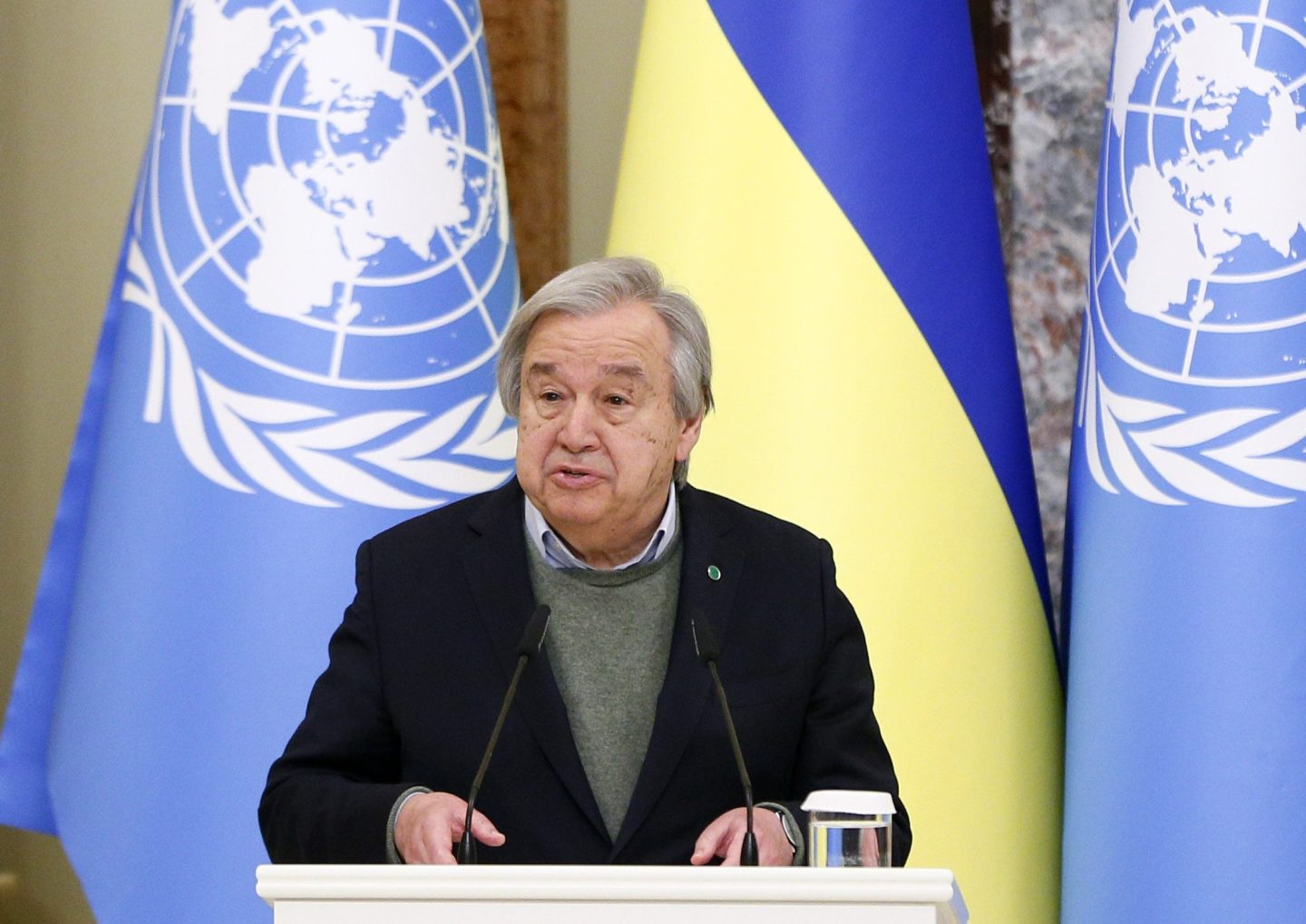
“This report is a clarion call to massively fast-track climate efforts by every country and every sector and on every timeframe,” said UN Secretary General António Guterres in a statement on the report’s release. “In short, our world needs climate action on all fronts — everything, everywhere, all at once.”
The report underscores a handful of points about climate change and its impacts:
- Greenhouse gas emissions generated by human activity have unequivocally caused global warming, and emissions have continued to rise, with some countries and groups contributing far more than others.
- The world must cut greenhouse gas emissions to 60% below 2019 levels by 2035.
- “Widespread and rapid” changes to planetary systems have already taken place, their impacts disproportionately affecting the world’s at-risk populations. More than 3 billion people are highly vulnerable to climate change.
- Climate adaptation has advanced, but not enough. Current levels of funding are insufficient. Increased warming will make adaptation harder.
- Although policies to mitigate climate change have expanded, it’s likely that the world will exceed 1.5C of warming “in the near term.” Limiting warming to 1.5C or 2C will require deep emissions cuts across the economy this decade. If the world overshoots 1.5C, that level could be brought down again by ending emissions and deploying carbon removal, but carbon removal brings additional concerns. Emissions must peak before 2025 for a 50% chance to hit 1.5C with little or no overshoot.
- Climate-related risks are rising with every increment of warming. “Deep, rapid and sustained” emissions cuts can avoid some future changes, but not others.
The IPCC’s sixth cycle of publication began in 2018. Global emissions have not fallen but continued to rise since then, necessitating more drastic and immediate steps to curtail them. Reaching net zero emissions soon is critical.
The addition of a 60% greenhouse gas emissions reduction target for 2035 adds important granularity to the race toward net-zero emissions in 2050. Previously stated emissions reduction targets focused on the ends of decades: 2030, 2040 and 2050. This creates a concrete end point for the next round of 10-year climate pledges that countries will make in 2025.
Projected emissions from existing fossil fuel infrastructure, without reducing greenhouse gases through technologies such as carbon capture and storage, would exceed the carbon budget we have left to stay below the Paris Agreement’s 1.5C limit, the report notes.
Meanwhile, the world’s top two annual emitters are still expanding that infrastructure: China approved more coal projects than other nations combined in 2022 while the US just approved a new oil drilling project in Alaska. The US is the largest historical emitter.
And climate risks have only escalated. “Evidence of observed changes in extremes such as heatwaves, heavy precipitation, droughts, and tropical cyclones, and, in particular, their attribution to human influence, has further strengthened” since the fifth IPCC cycle that ended in 2014, the scientists write.
More frequent and more extreme heat is taking lives on every inhabited continent. Floods — like those that displaced millions in Pakistan last year — along with wildfires and other disasters are forcing people from their homes all over the world. Sea levels rose 0.2 meters between 1901 and 2018, and will rise for centuries or millennia more as heat reaches the depths and ice sheets continue to melt.
Foregrounding the issue of climate justice, the scientists emphasize that less developed countries are hit hardest. For 30 years, some developing nations have promoted the idea of rich countries funding their recovery from climate-related disasters they had little part in causing. Last year at the COP27 summit, the so-called “loss and damage” debate went from the third-rail of climate politics to a preliminary agreement on climate aid.
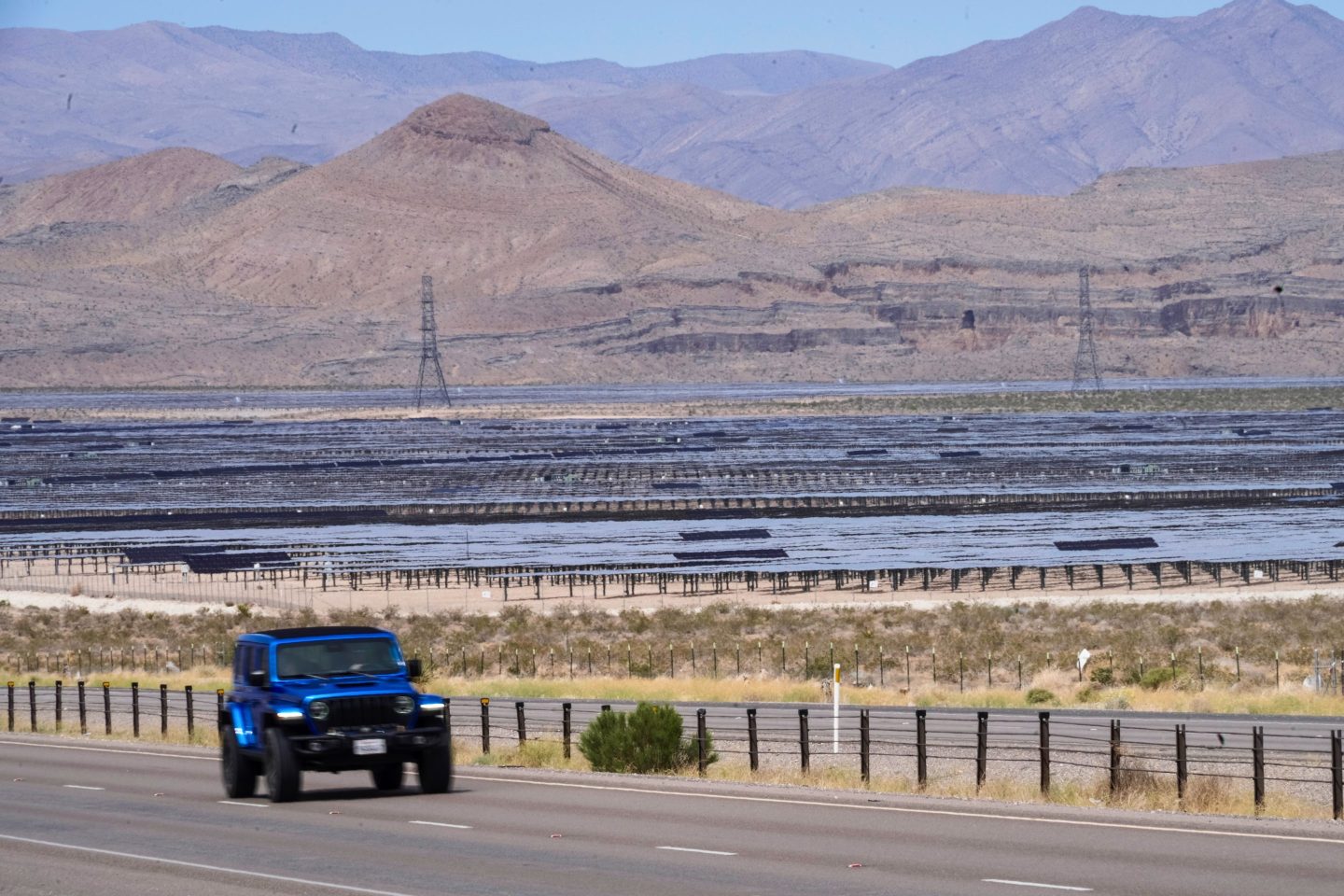
Nations aren’t powerless to limit future destruction: “Feasible, effective, and low-cost options for mitigation and adaptation are already available, with differences across systems and regions.” Solar and wind energy, electric vehicles and green urban infrastructure bring additional benefits such as lower levels of air pollution. Climate adaptation has the potential to increase food security and biodiversity conservation.
Guterres called on developed countries to accelerate their plans, moving their 2050 pledges to end emissions up to 2040. As a part of that, he wants no new coal plants by 2030, an end to coal in rich countries that same year, an end to them everywhere by 2040 and “ceasing all licensing and funding of new oil and gas,” based on International Energy Agency findings.
“The transition must cover the entire economy,” he said. “Partial pledges won’t cut it.”
In a departure from synthesis reports released in past cycles, this one has a section devoted to urgency. The world’s preeminent scientists and representatives from 195 countries agreed to every word of the following statement:
“The choices and actions implemented in this decade will have impacts now and for thousands of years.”