As the UN Climate Change Conference (COP 26) called on nations to cooperate on mitigating climate change, nowhere is this call more urgent than in the Arctic region.
The temperature in the territory is rising at least three times as fast as across the rest of the globe, with dramatic consequences for the environment and local economies. The Arctic ice cap is thinning, prompting a rise in sea level and the erosion of coastal areas; permafrost is thawing, releasing toxic gases like methane and carbon dioxide into the atmosphere and endangering existing infrastructure. And the Arctic Ocean is acidifying, threatening the future of fisheries and marine environments.
For over two decades, the Arctic’s unique challenges—its accelerated pace of change, remoteness, and wealth of natural resources in need of protection—have provided a test laboratory for the eight Arctic countries to coordinate their response to climate change.
Increasingly, these harsh conditions have prompted a rise in interest in the Arctic region from both the private sector as well as government entities such as the U.S. Department of Energy that view the Arctic’s potential as a “a living laboratory of clean energy innovation,” according to the agency’s website.
“The Arctic communities are actively involved in the deployment and integration of clean energy technologies like wind, solar, geothermal, biomass, energy storage, energy-[efficient] buildings [that have] strong relevance beyond the region,” George Roe, interim director of the DOE’s Arctic Energy Office, told Fortune. “The Arctic projects typically have smaller scale and higher cost of energy, so these can enable pilot projects to go forward with lower capital expense and accelerated payback time frames, relative to opportunities outside the region.”
The world’s climate laboratory
The Arctic region spans a territory of 14.5 million square kilometers bordering Canada, Iceland, Norway, Denmark, Finland, Sweden, Russia, and the United States. These northern nations, home to multibillion-dollar industries from mining and oil drilling to fisheries and tourism, are where multiple governments, global corporations, and scientists are forced to cooperate in a region in which the pace of climate change is felt more acutely.
“It’s very important for not just the Arctic countries but really for the global community to understand what the implications are for the Arctic of a future climate change,” said Ben DeAngelo, deputy director of the Climate Program Office at the National Oceanic and Atmospheric Administration (NOAA). “There are a number of climate and environmental factors changing in the Arctic that are affecting not only wildlife but also communities in the Arctic, especially indigenous communities.”
Luca de Lorenzo, head of sustainability at Helsinki-based Nordic Investment Bank (NIB), which established an Arctic Lending Facility in 2015, said NIB has been financing infrastructure projects that benefit local economic activity in the territory and is increasingly focusing on the environmental and sustainability aspects of its investments.
“The remote nature of the Arctic regions makes business possibly more complex and smaller in scale, yet extremely relevant,” de Lorenzo said. “The risk of degradation of ecosystems is high, and we need to protect the environment and avoid mistakes done in the past elsewhere.”
There is “most definitely a growing interest in investment in climate tech,” in Alaska and globally, according to Rob Roys, chief innovation officer at nonprofit startup accelerator Launch Alaska, which supports companies looking to scale their technologies in the Arctic region to fight climate change. He noted the total investment volume nearly tripled in 2020 compared with a year ago within Launch Alaska’s portfolio companies.
“We believe startups are the key to Alaska’s ability in navigating this transition and reshaping the state’s environment and economy,” Roys said.
Renewable energy
Besides oil and gas, the Arctic is uniquely equipped to produce renewable energy because it possesses massive wind, solar, geothermal, and hydro resources. A growing number of solutions are aimed at addressing Alaska’s declining oil productivity in recent years.
“We’re on a mission to urgently decarbonize our world by deploying solutions to food, water, transportation, and energy problems in Alaska and the Arctic,” said Roys. “After all, if you can do it in Alaska, you can do it anywhere.”
The transition to renewable energy is also fueling global demand for specific natural resources such as neodymium and praseodymium, rare earth metals found in relative abundance in the Arctic. This is prompting the region’s companies and governments to explore new economic opportunities. But these interests will need to cooperate if they are to preserve and sustain the livelihoods of those who live in the territory, as well as safeguard its natural landscape.
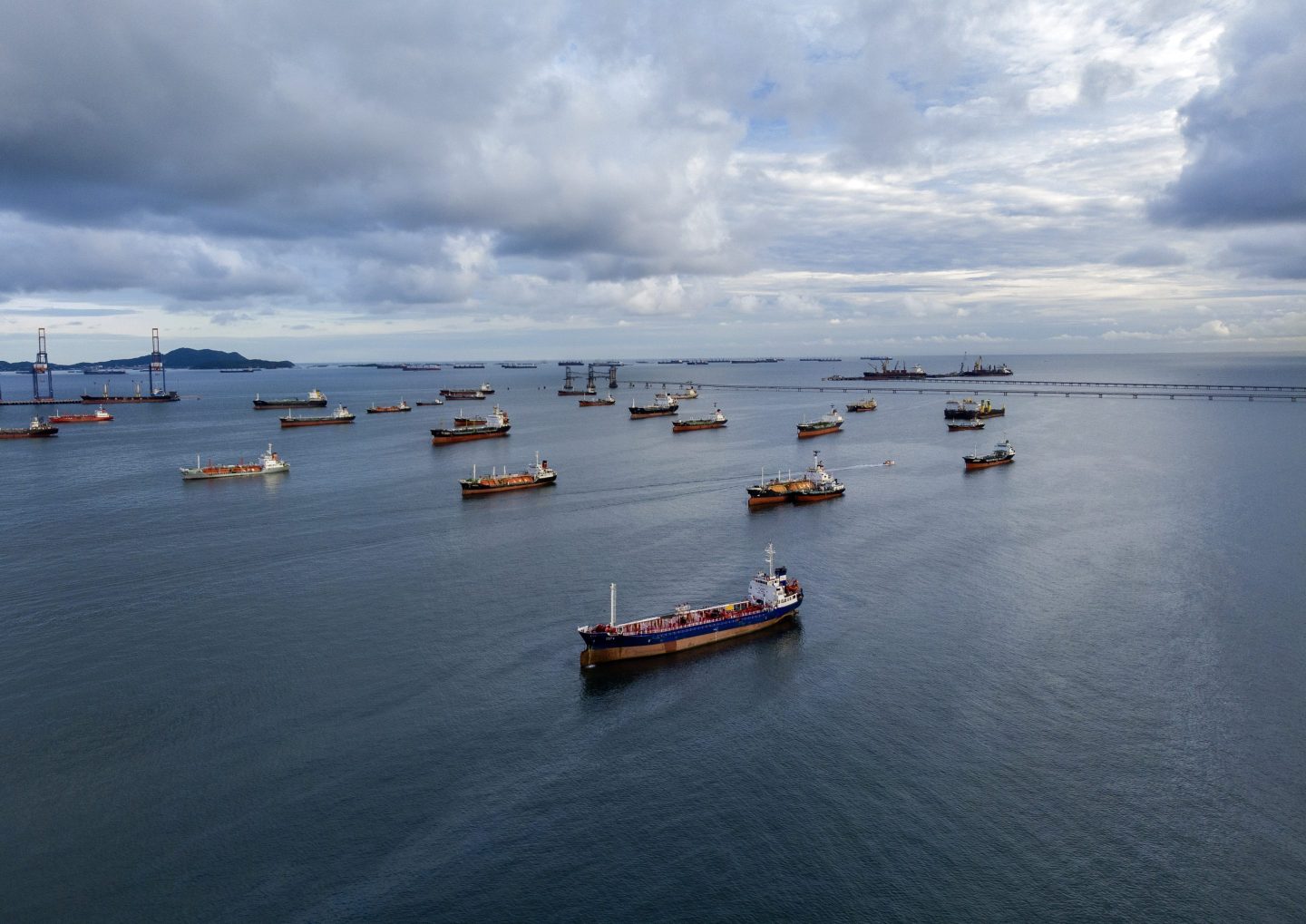
According to Svein Vigeland Rottem, senior research fellow at Norway’s Fridtjof Nansen Institute, the harsh climatic conditions and lack of infrastructure still make it dangerous to explore northern shipping routes, even though in future the Northern Sea Route or the Northwest Passage could shorten travel time between the U.S., Europe, and Asia by 40%.
“It will be many, many years before the Arctic routes will challenge the Suez Canal or the Panama Canal, Rottem noted.
Together with the Oak Ridge Institute for Science and Education and the University of Alaska Fairbanks, the U.S. Department of Energy has been funding the Arctic Advanced Manufacturing Innovator Program, aimed at supporting entrepreneurs who address technology challenges in the region.
Nathan Prisco, a chemical engineer receiving support from the DOE, has helped found Mighty Pipeline, a startup that’s developing a technology enabling hydrogen to be transported through existing oil pipelines in the form of ammonia, from which the hydrogen can later be extracted for use as a clean fuel. Although Alaska has incredible hydropower potential, these resources are often locked away in remote areas where the business case to develop them is poor.
“Rather than build a statewide electrical infrastructure, remote hydropower projects can be built to produce ammonia from water and renewable electricity,” Prisco said. “The net impacts of our technology, if successfully commercialized, would result in tens of billions of dollars in new investment in Alaskan hydrogen/ammonia projects. Tentatively, this project would be slated for 2030 to match announced global demand for ‘green’ and ‘blue’ hydrogen or ammonia,” Prisco said.
According to Prisco, converting the Trans-Alaska Pipeline System into an ammonia service would enable it to operate for decades longer, making his project attractive to utilities, gas companies, and marine refueling stations, while helping to foster other renewable hydrogen projects across the region.
Government funding
In addition to clean energy startups, there are intergovernmental initiatives to bring traditional and emerging industries together.
Founded in 1996, the Arctic Council, self-described as “the leading intergovernmental forum promoting cooperation in the Arctic,” has mediated between states and their indigenous populations’ interests and has worked on environmental issues such as biodiversity protection and the effects of organic pollutants in the region. It has also created a tracking and security system for shipping in the northern reaches.
Through its Mainstreaming Biodiversity in Arctic Mining project, the Arctic Council provides guidance to the mining industry in how it might protect biodiversity and wildlife during its operations in the area: As such, the project acknowledges the economic opportunity that mining might bring to Arctic communities, while minimizing its environmental impact.
The U.S. Department of Energy reestablished the Arctic Energy Office last year. According to its director, George Roe, the office is collaborating with the DOE’s other branches to support a number of grants and outreach initiatives such as the ArcticX webinars aimed at fostering the commercialization and mobilization of “energy transition technologies that will make a difference in the communities and businesses of the North and beyond.”
While there are a lot of initiatives, research projects, and pledges around sustainability in the Arctic, the viability and commercialization prospects of many of these technologies remain in early stages. And not all of the investments allocated to the Arctic are necessarily sustainable or dedicated to combating climate change.
When it comes to global accountability and being held responsible for the impact of fossil fuel–intensive practices, the Arctic also serves as ground zero for international collaboration and the transition to more sustainable practices.
In 2021, when Russia received the chairmanship of the Arctic Council, it pledged to enhance responsible governance for a more sustainable Arctic. Over the next two years, the Russian chairmanship said, it would focus primarily on fighting climate change and on sustainable socioeconomic development of the region while protecting Arctic inhabitants’ interests and the local environment.
While it remains to be seen what these sustainability pledges will mean in practice, regional experts like Rottem of the Fridtjof Nansen Institute note that states could learn from the political cooperation happening in the Arctic.
“The Arctic is a region where states have come together, and they’ve respected international law,” said Lillian Hussong, interim president of the Arctic Institute, a think tank focused on Arctic policy issues. “They’re cooperating, and that is not something we can necessarily say about other parts of the world.”
This story is part of The Path to Zero, a series of special reports on how business can lead the fight against climate change. This quarter’s report highlights how governments and private industry are approaching the biggest challenges and opportunities in the sustainability space.