Our mission to help you navigate the new normal is fueled by subscribers. To enjoy unlimited access to our journalism, subscribe today.
For many students who defaulted to remote learning this past spring, it’s become abundantly clear that a virtual “one size fits all” approach to education cannot replace in-person learning.
Homeschooling and private tutors existed—especially for those who can afford such services—well before the pandemic, but a cottage industry of new education startups has surfaced in the past few months as it became painfully clear that classes over Zoom were not sustainable. Not for students, not for teachers, and not for parents.
Only a little more than half of U.S. K–12 schools and colleges have provided tentative reentry plans for the 2020–21 school year, and many of them are maintaining remote classes for at least the first few months. With school already back in session in some parts of the U.S., and back-to-school season kicking off in the next few weeks elsewhere, parents are crunched for time in determining how effective (or not) online learning is for their children.
“Parents are nervous about the fall,” says Joseph Connor, cofounder of SchoolHouse, a Philadelphia-based company that is developing so-called micro-schools. “They lived through the spring and want something better for their children. Parents want to see their children engaged in learning and collaborating with their peers. No parent thinks that their children can learn solely through technology. Parents want their children to learn from excellent teachers.”
Some parents who had the time and resources started taking initiative as soon as this past spring, establishing “micro-pods” with nearby families. Similar to the idea of establishing pandemic “bubbles” to maintain a bit of socializing while distancing from everyone else, these micro-pods group together a handful of students with a private tutor. Not only do the students get a chance to interact with classmates around the same age in real life, but private tutors can also make much more money on average in these settings than in public schools and some private schools. And if everyone follows the rules about social distancing and mask wearing, as well as other CDC guidance, then students, teachers, and parents can all get back to some semblance of normalcy while minimizing risk of COVID-19 exposure, versus returning to school with the general population.
Relief for parents
Founded before the pandemic was declared, SchoolHouse launched in January 2020 as an agency providing teachers for small groups of children in at-home micro-schools. But the company insists this is not homeschooling. In what might seem like a throwback to Little House on the Prairie, SchoolHouse describes these pods as “real schools” with classes taught by qualified, experienced teachers that take place in a family home or backyard. Class sizes are small, with groups of five to eight students total, and there are mixed age-level groupings.
“SchoolHouse was inspired by the American tradition of the one-room schoolhouse,” Connor, 32, explains. “In most small towns, all of the students met in a single room. There, a single teacher taught the curriculum to several grade levels of children. The most important factor in those children’s education was the quality of the teacher. We similarly believe that most academic outcomes are derived from great teaching. We have updated the SchoolHouse model for the 21st century and are excited to allow parents, students, and teachers to try it.”
For Giulia Arencibia, 41, it was difficult trying to figure out the best way to structure her family’s day and the best location within the house for remote learning to take place. Her three children are spread out through ages and grade levels: a 12-year-old entering seventh grade, a 10-year-old entering fifth grade, and a 5-year-old entering first grade. Before the pandemic, they all attended the local public school. But as for many students, the transition to online learning was very difficult for her children.
“I was not very familiar with the remote learning platform that the school uses, so I had to do research and spend quite some time trying figure it out,” Arencibia says. “There was a lot of trial and error trying to figure out what worked best for each child and how I could complete my daily tasks with homeschooling. While we did get the work done, I still don’t feel like we necessarily did it well, even after three months of remote learning. It felt like we were constantly treading water.”
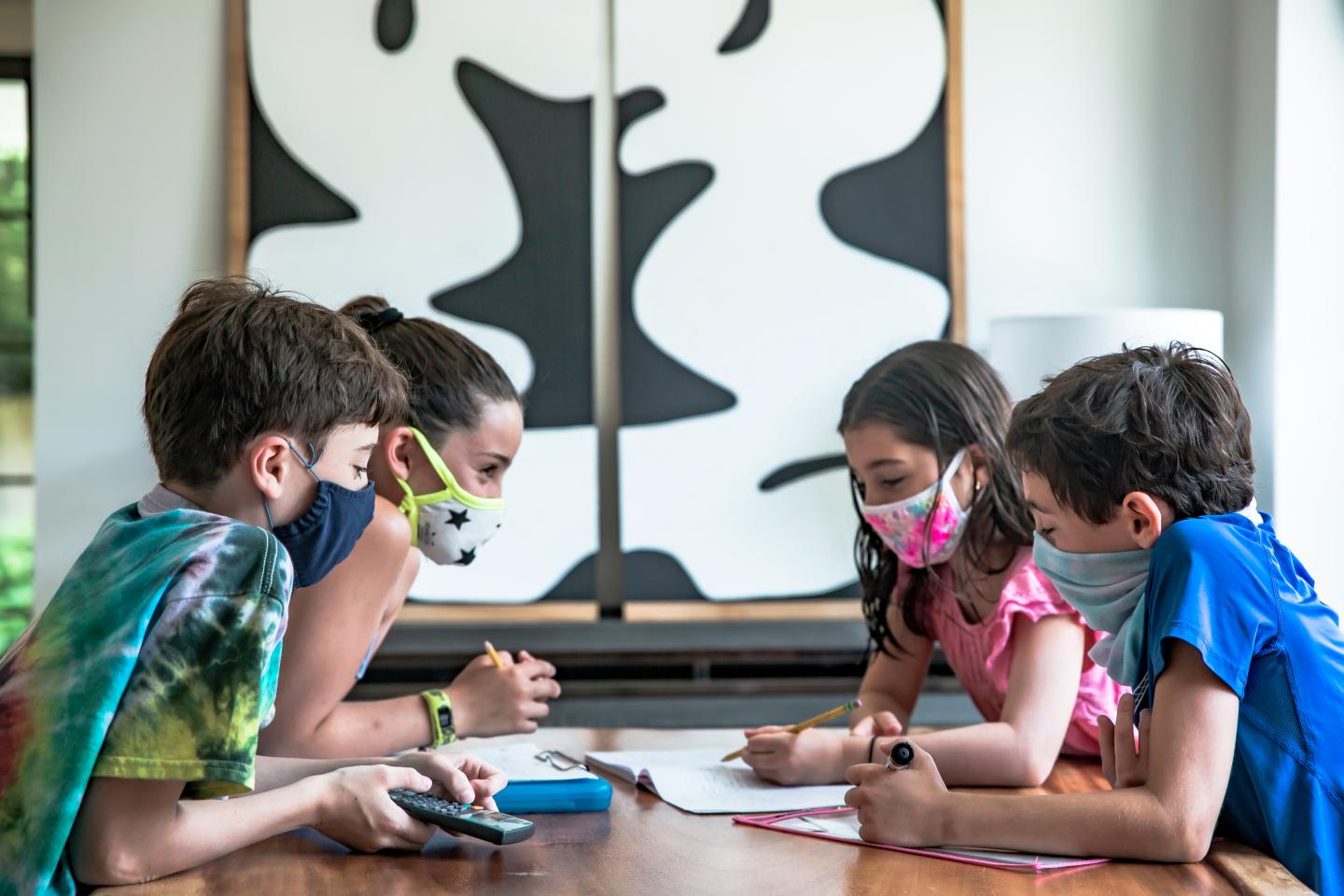
The micro-school approach made sense for Arencibia’s family for several reasons, she says. Her main concern with remote learning (or even a hybrid model) was that it might not provide students with enough access to their teachers. For a child starting school and learning to read, or for a child shifting from elementary to middle school, these next six to 12 months are critical to their development.
“There are both academic and social-emotional skills that they need to be working on right now,” Arencibia says. “Micro-schooling will give them access to teachers who can help them learn in a way that I can’t. I have always had respect for teachers, but never more so than now. There’s a big difference between understanding something and being able to teach it in a meaningful way, [versus] Googling so that you have a vague idea of what is going on.”
Arencibia stresses that children also need interaction with other children in order to develop emotionally and socially. Her school district in Westchester County, N.Y., is planning on a hybrid model in which students attend school only two to three hours per day and then spend the majority of the day at home doing remote learning. But Arencibia is concerned that’s not enough time with peers and outside of the house for normal development. Thus, she chose the pod option because she says it enables children to increase their interaction with peers, but in a more controlled setting, so that they can be careful about virus exposure.
New opportunities for teachers
With tutoring available for students in kindergarten through eighth grade, SchoolHouse is seeing demand spread out relatively evenly across all grade levels and all over the country, Connor says, with spikes in metropolitan areas that have already announced a complete transition to online learning. For example, the Los Angeles Unified School District announced on July 13 that the schools would not reopen for the fall, and SchoolHouse saw a 3,600% increase in traffic from Los Angeles County.
“No matter where they are located, parents are all in a similar position of trying to figure out what to do for the fall,” Connor says.
To ensure a safe environment during the COVID-19 pandemic, SchoolHouse teachers are trained to follow protocols that are said to meet or exceed state regulations. Depending on location and preferences, this may include daily temperature checks, mask wearing, access to hand sanitizers and frequent hand washing, appropriate social distancing, and written health attestations from parents to ensure no one attends group classes if they are sick or have been potentially exposed. And SchoolHouse requires that every teacher pass a background check and undergo vetting by its internal safety team.
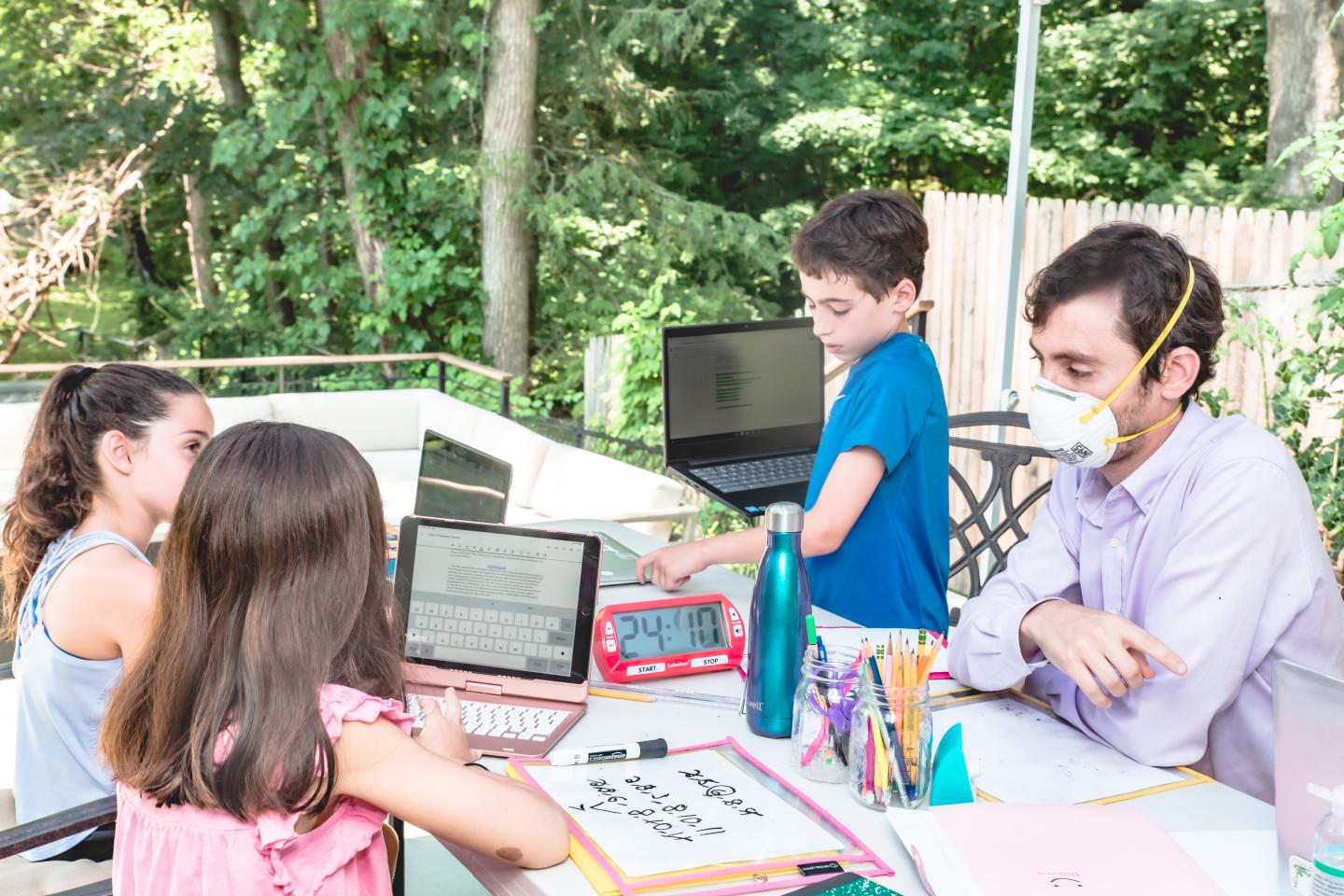
From a potential tutor’s perspective, the pod model might sound like an ideal situation under the current circumstances. To start, they are putting themselves at less risk in a smaller group with the potential of outdoor lessons, versus going back to a crowded traditional school building.
Austin Boehm, 32, a micro-school teacher with SchoolHouse in Mahopac, N.Y., has chronic health issues that make him hesitant to return to in-person instruction. With a master’s degree in secondary math education, Boehm has been teaching middle and high school math for eight years at public and charter schools. Most recently, Boehm spent the past two years teaching full-time at a private independent school in New York City.
Boehm says he would likely have continued in his previous role had the school returned only to remote learning. However when plans were announced to reopen, he knew he couldn’t commit to that and the accompanying unknowns.
“I am more than apprehensive about returning to a traditional school environment; it’s not something that I would consider at this time,” Boehm explains. “I feel that everything has to do with community spread, which is still widespread in many parts of the U.S. And given the nature of the coronavirus, it could return to the New York community within this school year.”
Boehm joined SchoolHouse in June after the cofounders reached out to him via email. And as a teacher specializing in math, Boehm says he’s most excited about teaching content that is slightly outside of his normal niche.
“At the beginning of my career, I had hoped to teach science but was guided into math by the economic recession and evaporating funding for science positions,” Boehm says. “I’ll have the opportunity to revisit this discipline and simultaneously continue to grow my math toolkit by expanding the content with which I’m intimately familiar. Getting to see students interact and collaborate in a normal fashion and hopefully provide a sense of normalcy in learning is something that I also look forward to facilitating.”
Tutors also have the chance to make considerably more money in private employment compared with teaching in a public school, which has historically offered notoriously low salaries. Connor says SchoolHouse teacher salaries are roughly the same, if not more than many private school jobs, with benefits. And there are two schedule options: five days a week, five hours a day with four to eight students, or three days a week at four hours a session with four to eight students.
“The ability to make my own rules, do my own research, and determine protocols in direct communication with a small group of students and parents ensures that the environment I operate within will minimize the risks that are under my control,” Boehm says. “The part I love about teaching—regardless of a pandemic—is being in the moment instructing and working with students. I dreaded the constant meta-cognitive distractions about my safety that I anticipated would happen while I was teaching in a traditional return to school instruction.”
Boehm says he could see himself sticking with private tutoring in this fashion in the long-term, especially if it continued to provide opportunities for other work simultaneously or merged with his personal passions in education. “I have found private tutoring in general to be significantly more compensation than both public and private full-time teaching, and in the right opportunity, to also be intellectually stimulating and fulfilling. So I could see myself continuing to lead a pod as a supplement even once I’m a public-school teacher.”
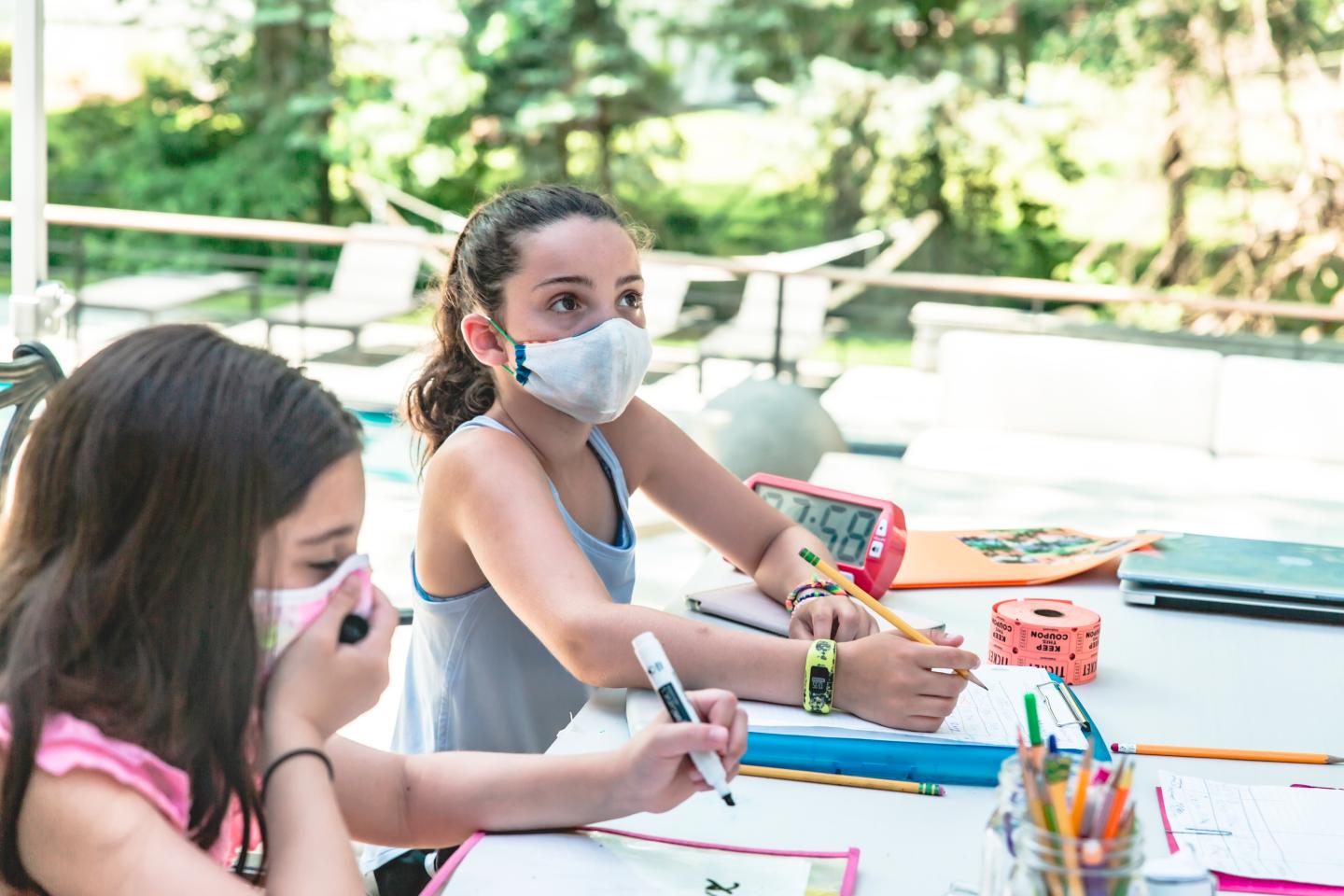
However, it’s unavoidable to observe that only families with enough disposable income will be able to afford private tutoring. And while the children of these parents will be able to continue with their learning in a more stable manner, many more students will be left behind, at the very least by a year, with the potential fallout reverberating for years.
There have been movements in some U.S. states to offer financial assistance to lower-income families that would cover tuition for micro-schools in cases where children with existing conditions wouldn’t be able to return, owing to the risk of contracting COVID-19 or if the schools weren’t reopening at all. But much like the second stimulus package being hammered out in Congress right now, nothing concrete has come about yet.
“There is no question that an educational divide is connected to an economic divide, a health care divide, a criminal justice divide. And we know that this is all part of a racial divide,” says Simone Marean, co-CEO and cofounder of Girls Leadership, a grass-roots organization supporting education for K–12 girls, with a focus on Black and Latinx students, in the United States. “This can be a moment in time when those existing disparities not only continue, but worsen. Or this could be a turning moment when we stand up and finally address the inequities in our school system that have existed all along.”
As a mother, educator, and leader of an educational nonprofit committed to helping young people exercise the power of their voice, Marean says these issues are top of mind for her as well. The Girls Leadership organization, she says, is seeing the mental health challenges that adolescent girls already face—including unprecedented levels of anxiety and depression that are rising for girls much faster than boys—become intensified during the pandemic.
The pod model, she notes, does give students the benefits of socialization without the pressures that come with socializing through visual platforms. “Micro-schools help students stay focused on a larger community and remind them that they are not alone in this experience,” she says. “If we can do this in a safe and healthy way, then we can help young people stay connected to their common humanity.”
But while it is possible to recover academically from this experience over the next several years, she warns the mental health consequences will be long-lasting.
“We need to use the reality of this moment to ask ourselves how we can rebuild school systems as an equitable foundation of voice, leadership, and power for our democracy,” Marean says. “The long-term goal needs to focus on addressing the systemic bias that creates barriers for students that disproportionately impact students of color, both in this moment of remote teaching, and when they return to school.”
Nevertheless, for parents who have the means, micro-schools may be the best option for the time being, not only ensuring their children can continue to receive a quality education but also so adults can get back to their own jobs. For Arencibia, her goal is to keep things moving along in the best possible way so that when things go back to normal, her children are ready.
“I hope that micro-schooling helps my children stay on track with their education and social skills,” Arencibia says. “By having more interaction with a teacher and their peers, we can try to get closer to a more normal learning experience. Hopefully, one day this pandemic will pass—and when it does—we will all have to resume school, work, or whatever we were doing before this happened.”
More must-read lifestyle coverage from Fortune:
- Lawn care startup Sunday’s founder on customer retention for a seasonal brand
- When will the pandemic end? Not before 2022, ex–U.S. surgeon general warns
- How to celebrate milestones while social distancing, according to public health and medical experts
- Health experts on how to run errands safely during the coronavirus
- Parents and students plan to spend more on back-to-school shopping this year, according to PayPal