The COVID-19 crisis has crippled America’s economy, bringing unemployment to its highest level since the Great Depression. The sudden shift in economic fortunes has awoken most Americans to the downsides of the U.S. labor model. In addition to the coronavirus pandemic, current events and new attention to an old problem of systemic racist systems and their effect on black lives and livelihoods have stirred a conviction that we must renew and not simply restore the pre-crisis status quo.
Our economy has fundamentally changed. We will have to change with it.
In the decade since the 2008 financial crisis, productivity in the United States has risen, but real wages have not, making it tough for people to save. Even before the current crisis hit, nearly 80% of families said they were living paycheck to paycheck, with no ability to withstand an emergency. About 40% of Americans had less than $400 in savings.
With the COVID pandemic, one in four American workers has filed for unemployment over the past 10 weeks. More than half the workforce has lost either a job or some income owing to illness or closures stemming from the virus. Today, 21 million Americans are not only out of work but have also lost access to basic support like health care. And many who are still working, especially at jobs labeled “essential,” must choose between feeding their families and protecting their health.
Giving people the ability to get through tough times is critical if we want the economy to be stronger and more resilient. And our current labor framework, which provides a safety net to some kinds of workers but not others, is not up to the task.
Our labor systems were changing even before this economic crisis. Over the past decade, tech platforms including Uber connected millions of people to quick access to work. But the pre-COVID status quo of safety-net benefits supporting workers—particularly independent workers—has been neither sufficiently flexible nor sufficiently sturdy. America’s current travails have made it clear we need wider worker protections that don’t limit benefits to one legal classification of work.
For more than a century, labor laws have created a false choice between independence and protection. It’s a choice that no longer serves workers and must be reformed.
A new nationwide survey of 1,200 likely voters conducted for the Bipartisan Policy Center (BPC) and funded by the Rockefeller Foundation shows most Americans agree. Three in four Americans (76%) say they are not content to simply return to the same safety-net systems that existed prior to the COVID-19 economic crisis. This desire for change was articulated by independents, Democrats, and Republicans alike.
About the same share, three in four, support more pragmatic solutions. They want fixes to the safety net such as unemployment-assistance reform, the ability to take their benefits from job to job, and expanded family leave benefits. A large number also want a rollback in rules regulating certain trades so that they can take their skills across state lines without having to be relicensed. Such regulatory reform would also allow ride-share workers, including Uber drivers, to more easily find work wherever they go across state lines.
In the current crisis, it has been heartening to see, for the first time ever, independent workers become eligible for unemployment assistance through the federal CARES Act. That marks an important recognition that our economy has fundamentally changed and that choosing independent work need not mean forgoing basic protections that every worker deserves. At the same time, COVID has forced employers to be more flexible, allowing more people to work from home and on their own schedule.
There is some disagreement on the best next steps, including between us. Uber has opposed efforts by legislators to require workers to choose between employment with some benefits but limited flexibility and independent work with more freedom but without basic benefits. We believe that we should instead raise the standards for independent work, so workers can have the best of both worlds. This includes providing these workers with benefits and protections that they can depend on when they’re injured at work, get sick, want to take time off, or retire.
The Rockefeller Foundation sees policies that require gig economy companies to classify workers as employees as an important step in recognizing the need for worker benefits, no matter where you work, and pushing these companies to take on more of that responsibility. But despite that disagreement, both of us agree what matters most is changing the status quo and working together to find a bold new way to fundamentally change the day-to-day reality for hardworking Americans. A good place to start is with a modernized federal framework that mandates protections nationwide—whether provided by governments or employers, but available to everyone—so benefits are portable across the country.
This crisis has laid bare long-term systemic problems in our economy and our society. Change comes slowly when the lives of those less affected by hardship are easy, but becomes imperative during times of true hardship for all. The Rockefeller Foundation and BPC survey shows that, even in our hyper-partisan era, the majority of Americans want to change how our laws protect the average worker. The path to recovery starts with recognizing that just as our notions of work have evolved, so must the rules and benefits surrounding that work.
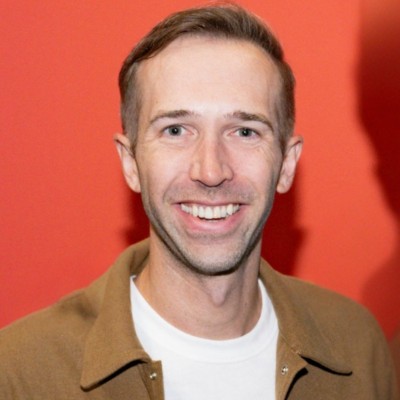
Dara Khosrowshahi is the CEO of Uber. Dr. Rajiv J. Shah is the president of the Rockefeller Foundation.
More opinion in Fortune:
- 4 ways companies can thrive in the COVID-19 economy, according to philanthropy strategists
- A clampdown on corporate tax avoidance is coming. Companies should embrace it
- COVID-19 can’t be used as an excuse to limit skilled immigration
- Listen to Leadership Next, a Fortune podcast examining the evolving role of CEOs
- WATCH: The CEO of Canada’s biggest bank on the keys to leading through the coronavirus pandemic