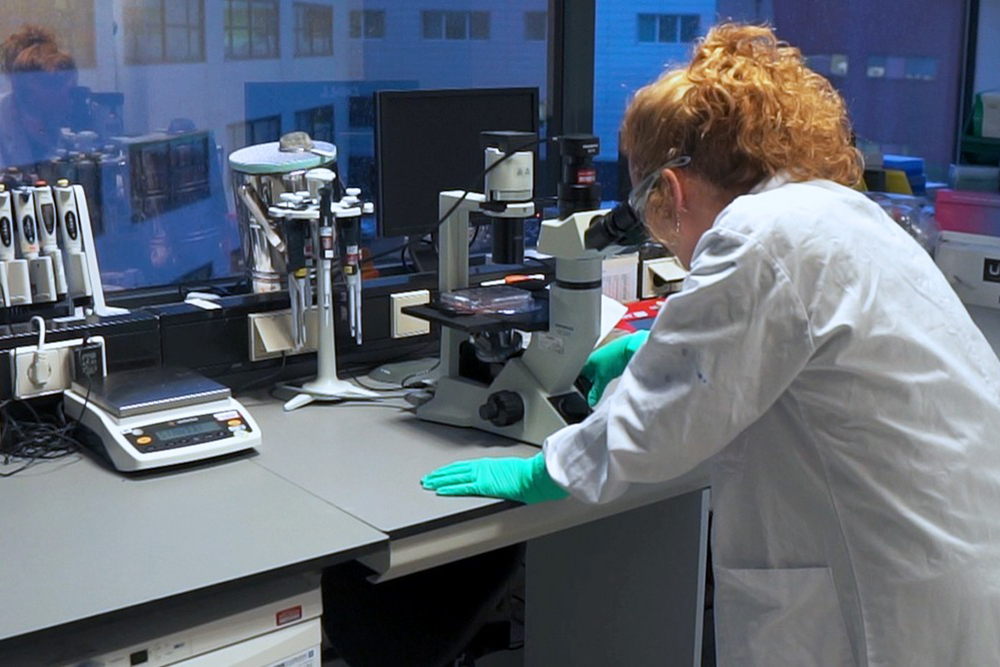
It’s no surprise that Johnson & Johnson won plaudits when it announced its prospective COVID-19 vaccine should go to human clinical trials by September. Given the drug will be available not-for-profit, the ensuing 6.5% share price hike must have put wide smiles on the board’s faces. The message from investors was clear: In the current climate, a company coming to society’s rescue without enriching itself is a solid bet.
Of course, in times such as these, some corporate backers will only be calmed by draconian measures to shore up cash flow, including pay cuts and layoffs. Firms hit hardest by the pandemic, particularly in travel and tourism, retail or restaurants, may have little other choice.
But being an active investor is taking on another meaning. Investors are now asking what CEOs are doing to protect their wider ecosystems of staff, customers, suppliers, and the planet. There is a growing view that responsible businesses—those which look after all their stakeholders, not just their shareholders, and which strive to serve a purpose bigger than profits—may be better placed already to weather the immediate health crisis and economic downturn ahead.
This helps explain why ESG (environmental, social, and governance) funds have been outperforming conventional rivals. In a recent letter to shareholders, BlackRock’s Larry Fink, the world’s largest asset manager, presented the crisis as an opportunity to rebalance portfolios and accelerate the shift to a more sustainable world. The investment community recognises the need for directors to respond to urgent pressures, but increasingly expects them to keep focused on their longer-term social and environmental impact, too.
This is smart. There are four reasons why responsible, multi-stakeholder businesses are more likely to show resilience in challenging times.
The first relates to sound finances. Companies that have broken with the doctrine of shareholder primacy tend to avoid overleveraging their balance sheets, resisting the lure of excessive share buybacks and special dividends. Those firms may now prove more able to access the capital markets, as seen when Unilever and Engie raised €4.5 billion (around $4.9 billion) combined despite the current slump. Others, including Kraft Heinz and Boeing, are having to call on lines of credit at tremendous expense because their companies are already overleveraged, creating higher risk.
Second, businesses that invest in their employees, including health care and sick pay, will benefit from a more loyal and engaged workforce. That’s a workforce willing to go the extra mile to assure business continuity and protect corporate assets and reputation during these times of stress.
Third, companies that treat their suppliers like partners, and are now actively protecting their value chains, will see less disruption and be at an advantage when the economy eventually restarts.
Fourth, these companies fare better in the court of public opinion. One in three consumers are already punishing brands for responding poorly to the crisis by no longer buying from those brands, according to a recent Edelman Trust Barometer Special Report that surveyed 12,000 people globally.
And it is striking how loudly the media is noting good and bad private sector behavior. One minute French luxury goods giant LVMH is praised for using its perfume factories to produce free hand sanitizer, the next it’s criticized for considering state aid. In February, Amazon CEO Jeff Bezos was a hero for pledging $10 billion to fight climate change. By March, Amazon was back in the news for staff walkouts over insufficient personal protective equipment and unsatisfactory hazard pay. Corporate reputations are hard won and easily lost.
Beyond today’s troubles, multi-stakeholder firms may also be better equipped for uncertain times ahead. Don’t get me wrong, countless profiteers and opportunists will capitalize on the coming misery in the global economy. But ask yourself, which kinds of companies will be best placed to navigate the unpredictability of the post-pandemic environment?
The world which emerges from this COVID-19 crisis will look different. Having handed out huge bailouts, many governments are likely to take a much greater interest in businesses’ behavior and performance. As fiscal deficits rise, so too will corporate taxes. Serious questions hang over the future direction of open trade. Inequality will grow in and between societies, and so will social unrest.
In this undetermined future, agility will be a company’s best asset. CEOs who quickly adopt a 360-degree view and become more attuned to their employees, value chains, and wider society will maneuver with a degree of sensitivity and humanity not open to those still focused solely on narrow financial returns.
C-suites able to put ego aside and forge enlightened alliances with their competitors, civil society, and official agencies will be better positioned to deal with interventionist governments and the pendulum of polarized politics.
And these companies will recognise that the pressing need to create a more equitable and sustainable society has not gone away, but dramatically increased.
Will coronavirus be a watershed moment for responsible business? Too soon to tell. But from this moment it’s certainly plausible that firms which think beyond the next quarter, see the bigger picture, and display compassion and dexterity are on a better path. I know who my money’s on.
Paul Polman is cofounder of IMAGINE and former CEO of Unilever.
More opinion in Fortune:
—Coronavirus relief funds should be used to pay workers, not bail out corporations
—Why the U.S. shouldn’t let China dominate the digital currency race
—The coronavirus pandemic is changing work forever
—Coronavirus should inspire businesses to prepare their supply chains for the future
—Listen to Leadership Next, a Fortune podcast examining the evolving role of CEO
—WATCH: CEO of Canada’s biggest bank on the keys to leading through the coronavirus
Listen to our audio briefing, Fortune 500 Daily