• Home
  • Latest
  • Fortune 500
  • Finance
  • Tech
  • Leadership
  • Lifestyle
  • Rankings
  • Multimedia
Techspace

Elon Musk Has Joined a Space Race That Has Foiled Plenty of Dreamers

By
Bloomberg
Bloomberg
and
Wilder Davies
Wilder Davies
Down Arrow Button Icon
By
Bloomberg
Bloomberg
and
Wilder Davies
Wilder Davies
Down Arrow Button Icon
March 29, 2018, 11:43 AM ET

When Elon Musk’s SpaceX heaved two communications satellites aloft last week, he joined a space race that’s foiled plenty of other dreamers.

Billions of dollars have vanished in the quest to provide internet service from low-earth orbit. Globalstar Inc. and Iridium Communications Inc. crashed into bankruptcy but are still at it, while another effort folded despite backing from Bill Gates, Boeing Co. and others.

That record hasn’t deterred almost two dozen ventures from raising money in an effort to reach broadband users, including many who are out of easy range of traditional mobile services.

“Nothing has changed except the level of hysteria and the level of unrealistic expectations,” analyst Roger Rusch, president of the TelAstra Inc. consultancy in Palos Verdes, California, said in an interview.

Musk’s Space Exploration Technologies Corp., Greg Wyler’s OneWeb, Boeing, and Canada’s Telesat are among the companies that have asked the Federal Communications Commission for permission to offer broadband service using satellites.

But Rusch said the technical challenges are daunting. Low-earth orbit systems need complex software to run constellations of satellites, and sophisticated antennas on the ground to aim at spacecraft zooming from horizon to horizon. Costs quickly overwhelm savings from building smaller gear, Rusch said.

Boeing is seeking approval for 60 satellites, and the FCC last year granted OneWeb permission to serve the U.S. market using 720 satellites authorized by the U.K.

SpaceX’s plan calls for 4,425 satellites but it has also applied for another 7,518. FCC Chairman Ajit Pai has given his backing to the proposal, making it likely to win the agency’s clearance to provide broadband via low-earth orbit.

The planned constellations would far exceed the current number of satellites being operated by all countries, which stood at 1,738 through August of last year, according to a tally kept by the Union of Concerned Scientists.

The two satellites launched last week are tests, John Taylor, a SpaceX spokesman, said in an emailed statement. “Even if these satellites work as planned, we still have considerable technical work ahead of us to design and deploy a low-orbit satellite constellation,” Taylor said. The system would give people in less populated areas access to affordable high-speed internet service, Taylor said without providing a price.

Satellites in low-earth trajectories operate 50 to 1,200 miles (80 to 2,000 kilometers) above Earth and orbit it roughly every 90 minutes. Traditional communications satellites operate much higher, at an altitude of about 22,000 miles (36,000 km) and appear to hover in one spot because their orbit takes one day, matching the Earth’s rotation.

Lower satellites have an advantage in sending and receiving broadband, since signals suffer less of the lag time that can interrupt phone conversations and streaming video. As universal broadband has become a more compelling goal, appetite for service by satellites has grown, said Tom Stroup, president of the Satellite Industry Association, a trade group.

Satellites have become lighter and cheaper, Stroup said. “We’re well beyond experimentation,” Stroup said. “We’re moving into the next generation.”

Satellites have become more capable, partly by using higher frequencies that can carry more data, Tim Farrar, an analyst at TMF Associates LLC, said in an interview. Ground terminals — the antennas that track a satellite across the sky — are getting smaller and cheaper as well, he said.

The starry-eyed innovators will need to compete with established satellite-service suppliers such as Iridium, which is upgrading its fleet of 66 low-earth orbit satellites using repeated launches from SpaceX. ViaSat Inc. on Feb. 27 announced broadband service from a new satellite in high orbit.

“To me a business case is just not ‘does it work,’ but ‘can I make a return on my investment?’” said Rupert Pearce, chief executive officer of Inmarsat Plc., a survivor of the late 1990s satellite boom-and-bust cycle. The company supplies broadband from a 13-satellite fleet in high orbit, and has eschewed low-earth orbit, sometimes known for its acronym LEO.

“We do not see a business case for these LEO networks,” Pearce said in an interview. Doing so would be “extremely challenging,” he said. The satellites themselves would need to be manufactured cheaply, difficult for products that are typically “highly bespoke, highly tailored.” They’d need to be replaced every four to five years.

Then there is the operational challenge of connecting to towers on Earth, since no satellite service works indoors. LEO satellites are constantly moving; as one slips over the horizon, another would need to seamlessly connect to a consumer surfing the web, or the internet session would drop.

Musk helped change the calculus toward more frequent launches with his SpaceX, which re-uses rather than discards expensive rockets. As the SpaceX Falcon 9 prepared its Feb. 22 launch of two broadband satellites, Musk tweeted that if successful they would serve the “least served.”

The satellites — carried aloft along with a Spanish payload — are part of an ambitious plan that Musk outlined in remarks in 2015 as he announced an engineering campus in Redmond, Washington, near Seattle. Musk said the system would cost $10 billion to $15 billion to create — maybe more — but once developed, would bring significant revenue to SpaceX and help fund a city on Mars.

“Looking in the long term, and saying what’s needed to create a city on Mars? Well, one thing’s for sure: a lot of money,” Musk said. “So we need things that will generate a lot of money.”

Another pioneer, OneWeb’s Wyler, is working with Airbus SE to build satellites in France and Florida, and has attracted investments from Qualcomm Inc., Branson’s Virgin Group and SoftBank Group Corp., the technology giant controlled by billionaire Masayoshi Son.

Satellite giant Intelsat SA plans to start offering OneWeb’s service as soon as it’s available around 2020, Bruno Fromont, senior vice president of strategy and planning at Intelsat, said in an interview.

OneWeb is to begin launches this year, and expects to reach a pace of launches every three to six weeks, Wyler said. He calls it a “mission” to “bridge the digital divide by 2027.”

Whether that’s possible will depend on how much people can pay, said Vincent Chan, a professor at the Massachusetts Institute of Technology who studies networks.

“The trouble is, because it is technologically feasible doesn’t mean it’s economically viable,” Chan said in an interview. “Who in Africa can afford to pay $100 for service for a month? Maybe $10, they can afford. One dollar, they can do.”

Stroup, of the Satellite Industry Association, is sure come companies will prevail.

“The ultimate winner in all this is going to be the consumer,” said Stroup. “There’s going to be several choices just in the category of broadband satellite.”

About the Authors
By Bloomberg
See full bioRight Arrow Button Icon
By Wilder Davies
See full bioRight Arrow Button Icon

Latest in Tech

Finance
Lorem ipsum dolor sit amet, consectetur adipiscing elit, sed do eiusmod tempor incididunt ut labore et dolore magna aliqua. Ut enim ad minim veniam
By Fortune Editors
October 20, 2025
Finance
Lorem ipsum dolor sit amet, consectetur adipiscing elit, sed do eiusmod tempor incididunt ut labore et dolore magna aliqua. Ut enim ad minim veniam
By Fortune Editors
October 20, 2025
Finance
Lorem ipsum dolor sit amet, consectetur adipiscing elit, sed do eiusmod tempor incididunt ut labore et dolore magna aliqua. Ut enim ad minim veniam
By Fortune Editors
October 20, 2025
Finance
Lorem ipsum dolor sit amet, consectetur adipiscing elit, sed do eiusmod tempor incididunt ut labore et dolore magna aliqua. Ut enim ad minim veniam
By Fortune Editors
October 20, 2025
Finance
Lorem ipsum dolor sit amet, consectetur adipiscing elit, sed do eiusmod tempor incididunt ut labore et dolore magna aliqua. Ut enim ad minim veniam
By Fortune Editors
October 20, 2025
Finance
Lorem ipsum dolor sit amet, consectetur adipiscing elit, sed do eiusmod tempor incididunt ut labore et dolore magna aliqua. Ut enim ad minim veniam
By Fortune Editors
October 20, 2025

Most Popular

Finance
Lorem ipsum dolor sit amet, consectetur adipiscing elit, sed do eiusmod tempor incididunt ut labore et dolore magna aliqua. Ut enim ad minim veniam
By Fortune Editors
October 20, 2025
Finance
Lorem ipsum dolor sit amet, consectetur adipiscing elit, sed do eiusmod tempor incididunt ut labore et dolore magna aliqua. Ut enim ad minim veniam
By Fortune Editors
October 20, 2025
Finance
Lorem ipsum dolor sit amet, consectetur adipiscing elit, sed do eiusmod tempor incididunt ut labore et dolore magna aliqua. Ut enim ad minim veniam
By Fortune Editors
October 20, 2025
Finance
Lorem ipsum dolor sit amet, consectetur adipiscing elit, sed do eiusmod tempor incididunt ut labore et dolore magna aliqua. Ut enim ad minim veniam
By Fortune Editors
October 20, 2025
Finance
Lorem ipsum dolor sit amet, consectetur adipiscing elit, sed do eiusmod tempor incididunt ut labore et dolore magna aliqua. Ut enim ad minim veniam
By Fortune Editors
October 20, 2025
Finance
Lorem ipsum dolor sit amet, consectetur adipiscing elit, sed do eiusmod tempor incididunt ut labore et dolore magna aliqua. Ut enim ad minim veniam
By Fortune Editors
October 20, 2025
Fortune Secondary Logo
Rankings
  • 100 Best Companies
  • Fortune 500
  • Global 500
  • Fortune 500 Europe
  • Most Powerful Women
  • World's Most Admired Companies
  • See All Rankings
  • Lists Calendar
Sections
  • Finance
  • Fortune Crypto
  • Features
  • Leadership
  • Health
  • Commentary
  • Success
  • Retail
  • Mpw
  • Tech
  • Lifestyle
  • CEO Initiative
  • Asia
  • Politics
  • Conferences
  • Europe
  • Newsletters
  • Personal Finance
  • Environment
  • Magazine
  • Education
Customer Support
  • Frequently Asked Questions
  • Customer Service Portal
  • Privacy Policy
  • Terms Of Use
  • Single Issues For Purchase
  • International Print
Commercial Services
  • Advertising
  • Fortune Brand Studio
  • Fortune Analytics
  • Fortune Conferences
  • Business Development
  • Group Subscriptions
About Us
  • About Us
  • Press Center
  • Work At Fortune
  • Terms And Conditions
  • Site Map
  • About Us
  • Press Center
  • Work At Fortune
  • Terms And Conditions
  • Site Map
  • Facebook icon
  • Twitter icon
  • LinkedIn icon
  • Instagram icon
  • Pinterest icon

Latest in Tech

Young trade worker learning on job
SuccessHiring
Forget Big Tech: Small businesses will hire nearly 1 million grads in 2026—and some of the hottest roles are gloriously AI-proof
By Emma BurleighMay 1, 2026
37 minutes ago
Andrew McAfee
SuccessCareers
MIT AI expert warns automating Gen Z entry-level jobs could backfire—and cost companies their future workforce
By Preston ForeMay 1, 2026
48 minutes ago
duke
Big TechAmazon
Amazon Prime Video reaches deal with Duke Blue Devils to air 3 games per season
By The Associated PressMay 1, 2026
3 hours ago
valerie
CommentaryLayoffs
Tesla’s former HR chief: the AI layoff panic Is built on a false premise—here’s what most workers need to know
By Valerie Capers WorkmanMay 1, 2026
3 hours ago
AI
AIdisruption
Meet the Americans dismissing AI hype and using it with ingenuity: ‘The efficiencies gained out of it have been tremendous’
By Cathy Bussewitz and The Associated PressMay 1, 2026
3 hours ago
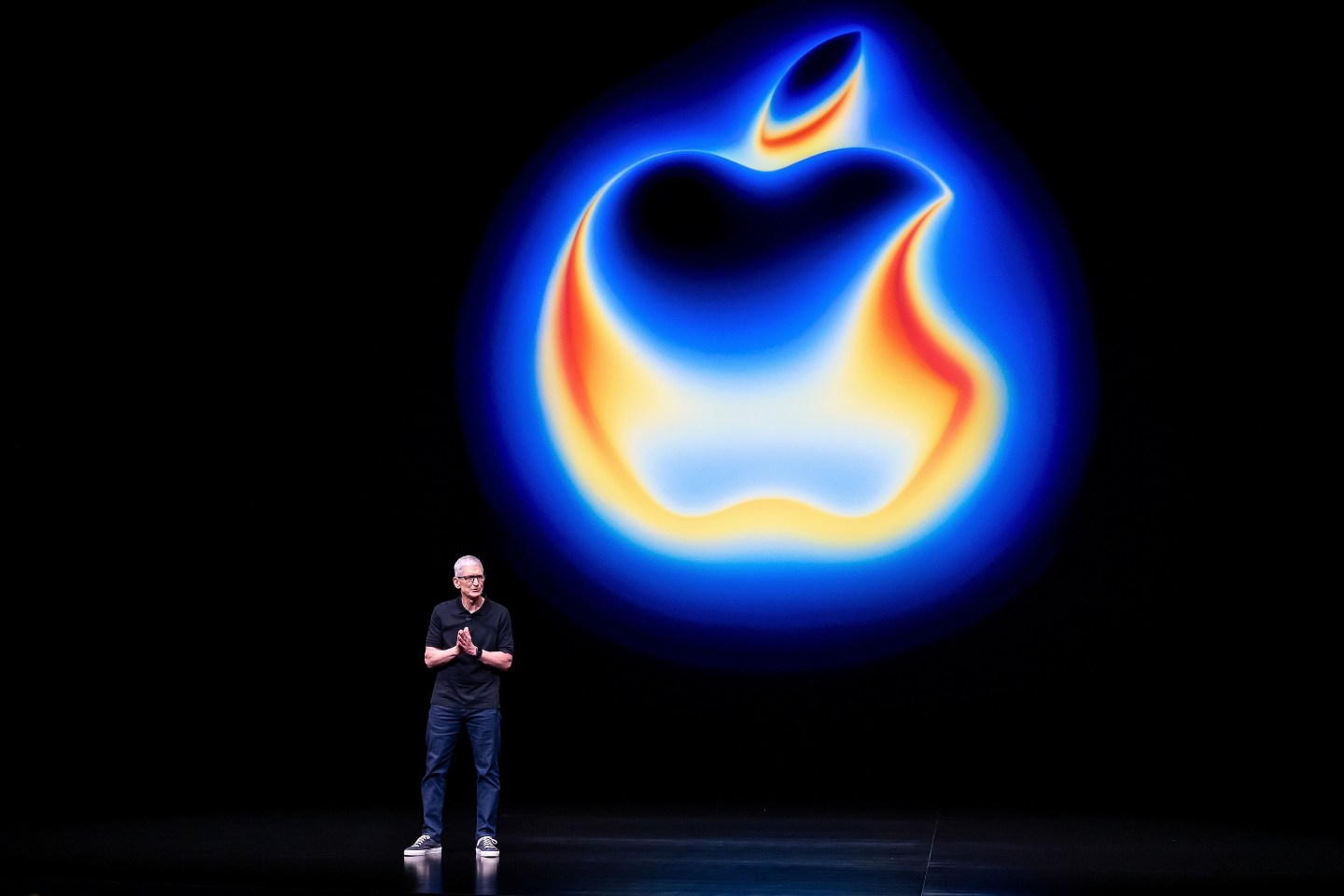
Tim Cook, chief executive officer of Apple Inc., inside the Steve Jobs Theater during an event at Apple Park campus in Cupertino, California, US.
AICFO Daily
Apple just posted $111 billion in revenue. Now its CFO and incoming CEO are teaming up
By Sheryl EstradaMay 1, 2026
3 hours ago

Most Popular

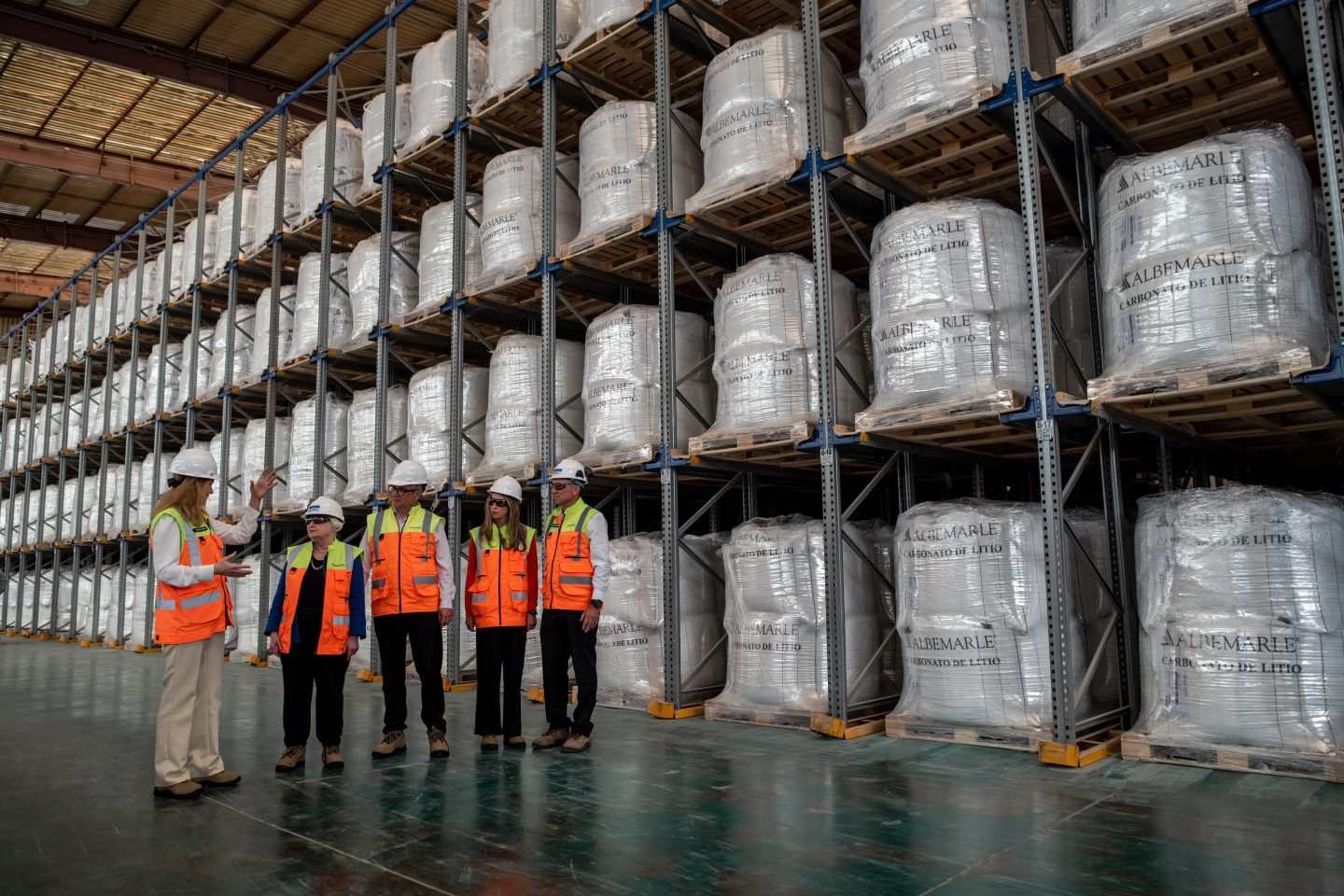
China dominates the world's lithium supply. The U.S. just found 328 years' worth in its own backyard
North America
China dominates the world's lithium supply. The U.S. just found 328 years' worth in its own backyard
By Jake AngeloApril 30, 2026
22 hours ago
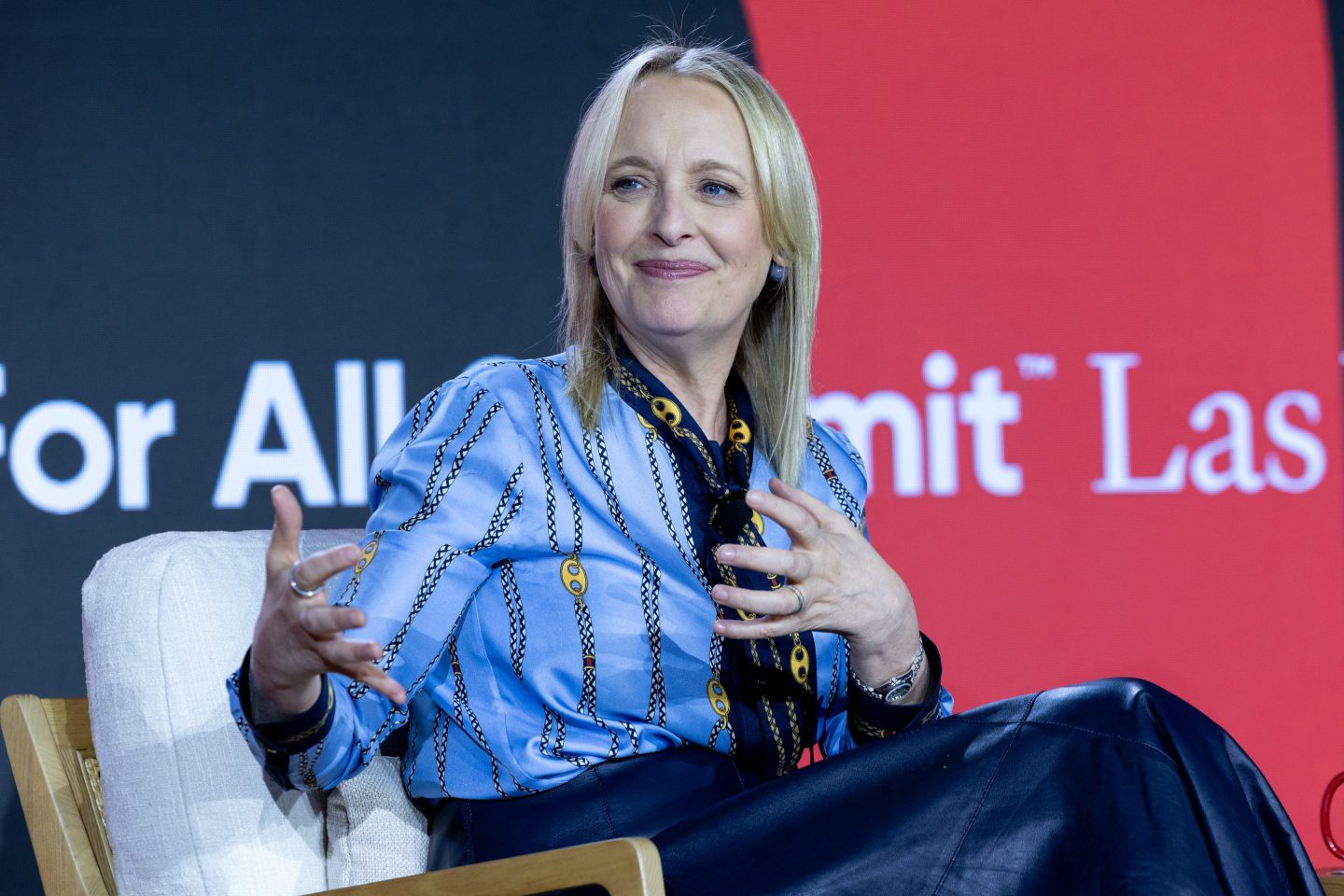
Accenture's Julie Sweet blew up 50 years of company history. She says the hardest part is still ahead
Conferences
Accenture's Julie Sweet blew up 50 years of company history. She says the hardest part is still ahead
By Nick LichtenbergApril 29, 2026
2 days ago
Apple cofounder Ronald Wayne—whose stake would be worth up to $400 billion had he not sold it in 1976—says that at 91, he has no regrets
Success
Apple cofounder Ronald Wayne—whose stake would be worth up to $400 billion had he not sold it in 1976—says that at 91, he has no regrets
By Preston ForeApril 27, 2026
4 days ago
The U.S. economy is booming — just not where 50 million Americans live
Commentary
The U.S. economy is booming — just not where 50 million Americans live
By Derek KilmerMay 1, 2026
8 hours ago
America shot its arsenal empty in 2 wars. Now it needs Beijing's permission to reload
Commentary
America shot its arsenal empty in 2 wars. Now it needs Beijing's permission to reload
By Steve H. Hanke and Jeffrey WengApril 30, 2026
23 hours ago
Exclusive: America's largest Black-owned bank launches podcast with mission to unlock hidden shame holding back generational wealth
Banking
Exclusive: America's largest Black-owned bank launches podcast with mission to unlock hidden shame holding back generational wealth
By Nick LichtenbergApril 29, 2026
2 days ago

© 2026 Fortune Media IP Limited. All Rights Reserved. Use of this site constitutes acceptance of our Terms of Use and Privacy Policy | CA Notice at Collection and Privacy Notice | Do Not Sell/Share My Personal Information
FORTUNE is a trademark of Fortune Media IP Limited, registered in the U.S. and other countries. FORTUNE may receive compensation for some links to products and services on this website. Offers may be subject to change without notice.