• Home
  • Latest
  • Fortune 500
  • Finance
  • Tech
  • Leadership
  • Lifestyle
  • Rankings
  • Multimedia

Trendingnow

1

Richard Branson double-booked his own job interview. The candidate stuck in traffic with him for 2.5 hours is now Virgin's CEO

2

IBM’s CEO disagrees with JPMorgan CEO Jamie Dimon’s disdain for texting in meetings: ‘Telling people they can't use their technology would be weird’

3

Tech billionaires and executives like Evan Spiegel and Peter Thiel are publicly shielding their children from the products that made them rich

1

Richard Branson double-booked his own job interview. The candidate stuck in traffic with him for 2.5 hours is now Virgin's CEO

2

IBM’s CEO disagrees with JPMorgan CEO Jamie Dimon’s disdain for texting in meetings: ‘Telling people they can't use their technology would be weird’

3

Tech billionaires and executives like Evan Spiegel and Peter Thiel are publicly shielding their children from the products that made them rich
HealthHealth

Organic Farms Might Be Slightly Worse for Climate Change

By
Laura Entis
Laura Entis
Down Arrow Button Icon
By
Laura Entis
Laura Entis
Down Arrow Button Icon
March 16, 2017, 7:00 AM ET
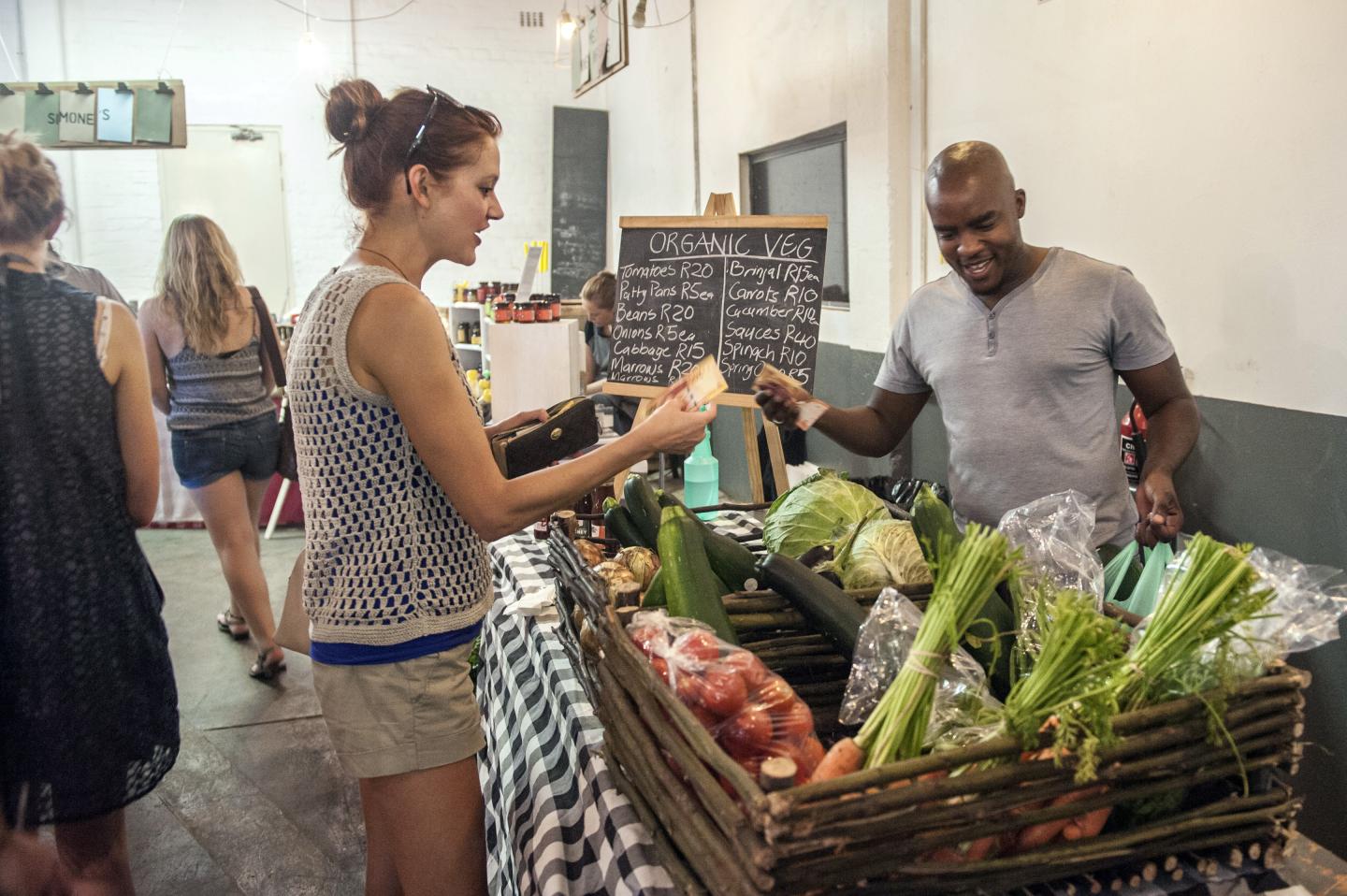
SAFRICA-LIFESTYLE-MARKETS-FOOD-JOHANNESBURG
STEFAN HEUNIS AFP/Getty Images
Add Fortune on Google for similar content.

The organic industry has an army of powerful, diverse microphones. Food blogs, celebrities, and nutritionists all routinely extol the benefits of eating organic fruits and vegetables.

But a new study published in Science Advances paints a more complicated picture. While organic produce is likely marginally healthier to eat and, in some ways, more sustainable to grow, there are also downsides.

For starters, organic fruits and vegetables typically cost more than their conventional equivalents. To be certified as organic, a distinction set by the United States Department of Agriculture, farmers must meet specific criteria, including growing produce without the use of genetic engineering and chemical inputs. Without these methods, the growing process typically requires more manual labor, time, and money, a cost that is passed down to consumers.

And while it’s true that in many ways, organic is more sustainable than conventional farming—studies have shown organic farms support more biodiversity and, because they don’t use pesticides, are safer places to work for farm hands—when it comes to environmental concerns such as greenhouse gas emissions and water nitrogen loss, the comparison gets murkier. Organic farms produce less emissions per acreage. However, because they are barred from using genetic engineering, pesticides, and other methods that increase efficiency, organic farms also produce an estimated 19% to 25% less yield than conventional farms. While there isn’t a whole lot research on the topic, the few studies that do exist suggest green gas emissions and water loss might actually be higher on organic farms, on a per unit basis, says study author Verena Seurfert. “If we examine conventional and organic farms and compare them in terms of units of food produced, than organic doesn’t fare so well.”

In addition, while organic produce is likely more nutritious than conventional fruit and vegetables, there’s not a lot of evidence to support the claim that these often marginal discrepancies impact consumer health, Seurfert says. The same is true for pesticide residue: in developed countries, where pesticide use is tightly regulated, there’s no scientific consensus on how these often marginal difference impact human health.

Still, Seurfert stresses that if you can afford to eat organic, you should do so. Organic farms provide safer work environments for workers, plus they support great biodiversity. The real takeaway from her study is not that organic is bad but that the practice needs more study to in order to increase yield without lowering sustainability.

But if you can’t afford to buy organic produce, don’t stress too much. Particularly from a nutritional perspective, the most important factor is that you’re eating enough fruits and vegetables—organic or not.

About the Author
By Laura Entis
See full bioRight Arrow Button Icon
Add Fortune on Google for similar content.

Latest in Health


Most Popular

Fortune Secondary Logo
Rankings
  • 100 Best Companies
  • Fortune 500
  • Global 500
  • Fortune 500 Europe
  • Most Powerful Women
  • World's Most Admired Companies
  • See All Rankings
  • Lists Calendar
Sections
  • Finance
  • Fortune Crypto
  • Features
  • Leadership
  • Health
  • Commentary
  • Success
  • Retail
  • Mpw
  • Tech
  • Lifestyle
  • CEO Initiative
  • Asia
  • Politics
  • Conferences
  • Europe
  • Newsletters
  • Personal Finance
  • Environment
  • Magazine
  • Education
Customer Support
  • Frequently Asked Questions
  • Customer Service Portal
  • Privacy Policy
  • Terms Of Use
  • Single Issues For Purchase
  • International Print
Commercial Services
  • Advertising
  • Fortune Brand Studio
  • Fortune Analytics
  • Fortune Conferences
  • Business Development
  • Group Subscriptions
About Us
  • About Us
  • Press Center
  • Work At Fortune
  • Terms And Conditions
  • Site Map
  • About Us
  • Press Center
  • Work At Fortune
  • Terms And Conditions
  • Site Map
  • Facebook icon
  • Twitter icon
  • LinkedIn icon
  • Instagram icon
  • TikTok icon
  • YouTube icon

    Latest in Health


    Most Popular

    © 2026 Fortune Media IP Limited. All Rights Reserved. Use of this site constitutes acceptance of our Terms of Use and Privacy Policy | CA Notice at Collection and Privacy Notice | Do Not Sell/Share My Personal Information
    FORTUNE is a trademark of Fortune Media IP Limited, registered in the U.S. and other countries. FORTUNE may receive compensation for some links to products and services on this website. Offers may be subject to change without notice.