• Home
  • Latest
  • Fortune 500
  • Finance
  • Tech
  • Leadership
  • Lifestyle
  • Rankings
  • Multimedia
Saudi Arabia

Saudi Prince Readies Strategy if Clerics Oppose Reforms-Report

By
Reuters
Reuters
Down Arrow Button Icon
By
Reuters
Reuters
Down Arrow Button Icon
January 7, 2017, 1:56 PM ET
Saudi Deputy Crown Prince in Paris
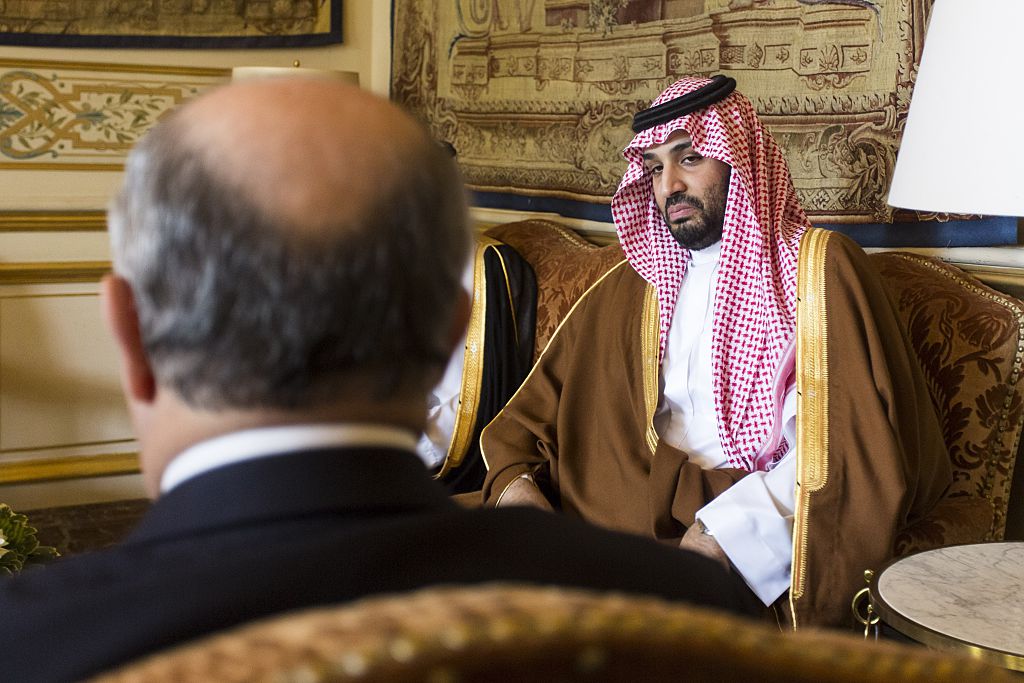
PARIS, FRANCE - JUNE 24: Saudi Deputy Crown Prince Mohammed bin Salman bin Abdulaziz, Second Deputy Premier and Minister of Defense, meets with French Minister of Foreign Affairs Laurent Fabius in Paris, France on June 24, 2015. (Photo by Geoffroy Van der Hasselt/Anadolu Agency/Getty Images)Photograph by Anadolu Agency via Getty Images

The young prince leading Saudi Arabia’s drive for economic reform has laid out a three-pronged strategy to avoid a backlash from any religious conservatives opposed to his plan, according to remarks reported by Foreign Affairs magazine on Saturday.

Deputy Crown Prince Mohammed bin Salman, the 31-year-old overseeing the kingdom’s biggest-ever overhaul of state and society, told visiting researchers last month punitive measures would be considered for any clerics who incited or resorted to violence over the plan, one of the researchers wrote.

Prince Mohammed said he believed only a small percentage of the kingdom’s clerics were too dogmatic to be reasoned with, the journal reported, while more than half could be persuaded to support his reforms through engagement and dialogue.

The rest were ambivalent or not in a position to cause problems, he is reported to have said.

There was no immediate comment from the royal court.

Oil Down, but Ends Year With Biggest Gain Since 2009

Prince Mohammed has couched his “Vision 2030” reform plan to wean the kingdom’s economy off oil in terms referencing Islamic tradition and has kept the focus on the economy, with scant concrete pledges of social change in the highly conservative kingdom.

But in a country that adheres to an austere brand of Wahhabi Sunni Islam, where gender segregation is mandatory and concerts and cinemas are banned, the plan’s seemingly anodyne goals to empower women, promote sports and invest in entertainment are controversial.

Saudi Arabia’s clerics offer legitimacy and public support to a king who styles himself the guardian of Islam’s holiest sites. They retain control of the justice system but leave most other matters of governance to him, so long as his edicts do not contradict their interpretation of Islamic law.

For more on the Saudi economy, watch:

The government started trying to rein in what it saw as extremist viewpoints in the clergy after Islamist militant attacks inside the kingdom began in 2003, pushing hardline clerics to renounce al Qaeda and violent tactics and sacking clerics seen as disseminating radical views.

In the later years of the reign of King Abdullah, King Salman’s predecessor, some senior clerics who opposed his cautious social reforms too openly lost their jobs.

About the Author
By Reuters
See full bioRight Arrow Button Icon
0

Most Popular

placeholder alt text
Economy
Tariffs are taxes and they were used to finance the federal government until the 1913 income tax. A top economist breaks it down
By Kent JonesDecember 12, 2025
1 day ago
placeholder alt text
Success
Apple cofounder Ronald Wayne sold his 10% stake for $800 in 1976—today it’d be worth up to $400 billion
By Preston ForeDecember 12, 2025
1 day ago
placeholder alt text
Success
40% of Stanford undergrads receive disability accommodations—but it’s become a college-wide phenomenon as Gen Z try to succeed in the current climate
By Preston ForeDecember 12, 2025
1 day ago
placeholder alt text
Economy
For the first time since Trump’s tariff rollout, import tax revenue has fallen, threatening his lofty plans to slash the $38 trillion national debt
By Sasha RogelbergDecember 12, 2025
21 hours ago
placeholder alt text
Economy
The Fed just ‘Trump-proofed’ itself with a unanimous move to preempt a potential leadership shake-up
By Jason MaDecember 12, 2025
19 hours ago
placeholder alt text
Success
At 18, doctors gave him three hours to live. He played video games from his hospital bed—and now, he’s built a $10 million-a-year video game studio
By Preston ForeDecember 10, 2025
3 days ago
Rankings
  • 100 Best Companies
  • Fortune 500
  • Global 500
  • Fortune 500 Europe
  • Most Powerful Women
  • Future 50
  • World’s Most Admired Companies
  • See All Rankings
Sections
  • Finance
  • Leadership
  • Success
  • Tech
  • Asia
  • Europe
  • Environment
  • Fortune Crypto
  • Health
  • Retail
  • Lifestyle
  • Politics
  • Newsletters
  • Magazine
  • Features
  • Commentary
  • Mpw
  • CEO Initiative
  • Conferences
  • Personal Finance
  • Education
Customer Support
  • Frequently Asked Questions
  • Customer Service Portal
  • Privacy Policy
  • Terms Of Use
  • Single Issues For Purchase
  • International Print
Commercial Services
  • Advertising
  • Fortune Brand Studio
  • Fortune Analytics
  • Fortune Conferences
  • Business Development
About Us
  • About Us
  • Editorial Calendar
  • Press Center
  • Work At Fortune
  • Diversity And Inclusion
  • Terms And Conditions
  • Site Map

© 2025 Fortune Media IP Limited. All Rights Reserved. Use of this site constitutes acceptance of our Terms of Use and Privacy Policy | CA Notice at Collection and Privacy Notice | Do Not Sell/Share My Personal Information
FORTUNE is a trademark of Fortune Media IP Limited, registered in the U.S. and other countries. FORTUNE may receive compensation for some links to products and services on this website. Offers may be subject to change without notice.