• Home
  • Latest
  • Fortune 500
  • Finance
  • Tech
  • Leadership
  • Lifestyle
  • Rankings
  • Multimedia
FinanceIMF

Even the IMF Now Admits Neoliberalism Has Failed

By
Ben Geier
Ben Geier
Down Arrow Button Icon
By
Ben Geier
Ben Geier
Down Arrow Button Icon
June 3, 2016, 2:51 PM ET
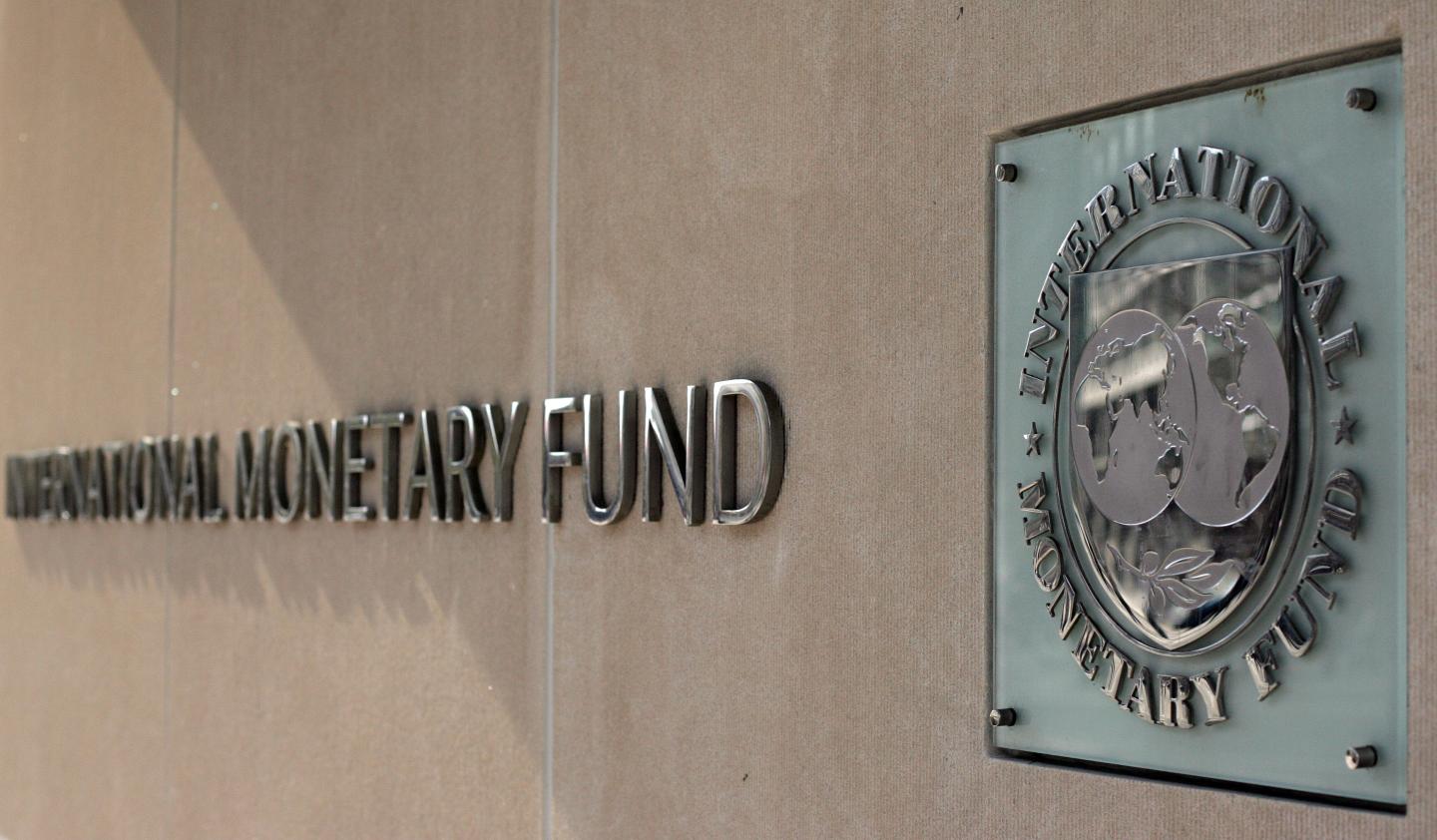
(FILES): This April 5, 2007 file photo s
Photograph by Tim Sloan — AFP/Getty Images

Asking if the International Monetary Fund supports economic neoliberalism is like asking if the Pope is Catholic — the answer is so obvious it seems silly to even raise the question. The IMF has been one of the principle endorsers of neoliberalism—an ideology that promotes free markets, free trade, and small government—for decades.

That is what makes it so shocking that the IMF recently released a paper titled “Neoliberalism: Oversold?” questioning the efficacy of a program that has been the basis of mainstream economic policy in most of the Western world since the end of the Cold War.

The paper — written by IMF Deputy Director Jonathan Ostry, Division Chief Prakash Loungani, and economist Davide Furceri — proposes that neoliberal economic policies have resulted in increased inequality and stunted economic growth.

From an economic context, neoliberalism is essentially a modern version of lassez-faire policy. Neoliberals advocate for free and unfettered trade, removing restrictions on capital moving across borders, and cutting government budgets through austerity measures. They argue that free markets and so-called “frictionless capitalism” is the best engine available to create growth and lift people out of poverty.

The recently released paper focuses on the unintended consequences such policies, especially austerity and capital controls, have on people within the countries the IMF works with. Specifically, the paper notes that the economic growth that neoliberal policies are designed to foster is difficult to discern, but that the inequality caused by austerity and lassez-faire policies is palpable. And the authors argue that government officials should do something to offset that:

The evidence of the economic damage from inequality suggests that policymakers should be more open to redistribution than they are. Of course, apart from redistribution, policies could be designed to mitigate some of the impacts in advance—for instance, through increased spending on education and training, which expands equality of opportunity (so-called predistribution policies).

The idea of state-run wealth redistribution likely has the godfathers of neoliberalism like Milton Friedman spinning in their graves. For the IMF, though, this represents a continuing drift away from rigid neoliberal dogma and toward a more “eclectic” blend of policies, says Columbia University economist Martin Uribe.

Uribe notes that when it comes to issues like exchange rate policy, debt management, and capital controls, the IMF has in recent years adopted a stance that is not in line with traditional neoliberalism. On austerity, for example, he notes that the IMF has been willing to consider debt repayment that doesn’t include massive budget cuts.

So why has the IMF made such an about-face? New York University economist Gian Luca Clementi says that papers like this one are at least in some ways designed to change public perception, particularly in Europe. Prior to the 2008 financial crisis, IMF policies mostly affected countries in the developing world. In the past decade, though, European countries like Portugal and Greece have been on the other side, borrowing and repaying rather than lending. Clementi doesn’t see IMF policy changing much, because the major countries that make up the organization, including Germany, the U.K. and the U.S., aren’t likely to be amenable to such changes.

There are signs that the political tide is turning against neoliberalism in the United States. Voters in the U.S. have cast millions of ballots for Donald Trump and Bernie Sanders, both of whom have expressed criticism of trade deals like the North American Free Trade Agreement, a crowning achievement of 1990s neoliberalism. Even Hillary Clinton, whose husband’s administration helped push the Democratic Party into the neoliberal camp, is being forced by voters to reevaluate her previous positions.

Europe is also experiencing its own backlash against neoliberalism. This month, U.K. voters will cast their votes on whether their nation should leave the European Union, a major neoliberal institution. And right-wing nationalist parties in countries like Austria, France, and Denmark are all gaining support.

Neoliberalism — a word that the paper points out is mostly used by critics, not supporters — is not going to be overtaken by another ideology overnight. But the IMF paper signals that the system is starting to tear apart at the seams.

About the Author
By Ben Geier
See full bioRight Arrow Button Icon

Latest in Finance

Finance
Lorem ipsum dolor sit amet, consectetur adipiscing elit, sed do eiusmod tempor incididunt ut labore et dolore magna aliqua. Ut enim ad minim veniam
By Fortune Editors
October 20, 2025
Finance
Lorem ipsum dolor sit amet, consectetur adipiscing elit, sed do eiusmod tempor incididunt ut labore et dolore magna aliqua. Ut enim ad minim veniam
By Fortune Editors
October 20, 2025
Finance
Lorem ipsum dolor sit amet, consectetur adipiscing elit, sed do eiusmod tempor incididunt ut labore et dolore magna aliqua. Ut enim ad minim veniam
By Fortune Editors
October 20, 2025
Finance
Lorem ipsum dolor sit amet, consectetur adipiscing elit, sed do eiusmod tempor incididunt ut labore et dolore magna aliqua. Ut enim ad minim veniam
By Fortune Editors
October 20, 2025
Finance
Lorem ipsum dolor sit amet, consectetur adipiscing elit, sed do eiusmod tempor incididunt ut labore et dolore magna aliqua. Ut enim ad minim veniam
By Fortune Editors
October 20, 2025
Finance
Lorem ipsum dolor sit amet, consectetur adipiscing elit, sed do eiusmod tempor incididunt ut labore et dolore magna aliqua. Ut enim ad minim veniam
By Fortune Editors
October 20, 2025

Most Popular

Finance
Lorem ipsum dolor sit amet, consectetur adipiscing elit, sed do eiusmod tempor incididunt ut labore et dolore magna aliqua. Ut enim ad minim veniam
By Fortune Editors
October 20, 2025
Finance
Lorem ipsum dolor sit amet, consectetur adipiscing elit, sed do eiusmod tempor incididunt ut labore et dolore magna aliqua. Ut enim ad minim veniam
By Fortune Editors
October 20, 2025
Finance
Lorem ipsum dolor sit amet, consectetur adipiscing elit, sed do eiusmod tempor incididunt ut labore et dolore magna aliqua. Ut enim ad minim veniam
By Fortune Editors
October 20, 2025
Finance
Lorem ipsum dolor sit amet, consectetur adipiscing elit, sed do eiusmod tempor incididunt ut labore et dolore magna aliqua. Ut enim ad minim veniam
By Fortune Editors
October 20, 2025
Finance
Lorem ipsum dolor sit amet, consectetur adipiscing elit, sed do eiusmod tempor incididunt ut labore et dolore magna aliqua. Ut enim ad minim veniam
By Fortune Editors
October 20, 2025
Finance
Lorem ipsum dolor sit amet, consectetur adipiscing elit, sed do eiusmod tempor incididunt ut labore et dolore magna aliqua. Ut enim ad minim veniam
By Fortune Editors
October 20, 2025
Fortune Secondary Logo
Rankings
  • 100 Best Companies
  • Fortune 500
  • Global 500
  • Fortune 500 Europe
  • Most Powerful Women
  • World's Most Admired Companies
  • See All Rankings
  • Lists Calendar
Sections
  • Finance
  • Fortune Crypto
  • Features
  • Leadership
  • Health
  • Commentary
  • Success
  • Retail
  • Mpw
  • Tech
  • Lifestyle
  • CEO Initiative
  • Asia
  • Politics
  • Conferences
  • Europe
  • Newsletters
  • Personal Finance
  • Environment
  • Magazine
  • Education
Customer Support
  • Frequently Asked Questions
  • Customer Service Portal
  • Privacy Policy
  • Terms Of Use
  • Single Issues For Purchase
  • International Print
Commercial Services
  • Advertising
  • Fortune Brand Studio
  • Fortune Analytics
  • Fortune Conferences
  • Business Development
  • Group Subscriptions
About Us
  • About Us
  • Press Center
  • Work At Fortune
  • Terms And Conditions
  • Site Map
  • About Us
  • Press Center
  • Work At Fortune
  • Terms And Conditions
  • Site Map
  • Facebook icon
  • Twitter icon
  • LinkedIn icon
  • Instagram icon
  • Pinterest icon

Latest in Finance

Young trade worker learning on job
SuccessHiring
Forget Big Tech: Small businesses will hire nearly 1 million grads in 2026—and some of the hottest roles are gloriously AI-proof
By Emma BurleighMay 1, 2026
1 hour ago
Andrew McAfee
SuccessCareers
MIT AI expert warns automating Gen Z entry-level jobs could backfire—and cost companies their future workforce
By Preston ForeMay 1, 2026
1 hour ago
francis
CommentaryFlorida
Former Miami Mayor Francis Suarez: Why I’m joining Stephen Ross and Ken Griffin in betting big on ambitious business leaders
By Francis SuarezMay 1, 2026
2 hours ago
By staying on the Fed’s board, Jerome Powell could be doing incoming Chairman Kevin Warsh a huge favor 
EconomyFederal Reserve
By staying on the Fed’s board, Jerome Powell could be doing incoming Chairman Kevin Warsh a huge favor 
By Jason MaMay 1, 2026
2 hours ago
bessent
Personal FinanceFinancial Literacy
Scott Bessent on financial literacy: ‘it drives me crazy’ to see young men in blue-collar construction jobs playing the lottery
By Fatima Hussein and The Associated PressMay 1, 2026
4 hours ago
Top CD rates from major banks May 1, 2026: Chase CDs, Bank of America CDs, Citibank CDs, and more
Personal FinanceCertificates of Deposit (CDs)
Top CD rates from major banks on May 1, 2026: Chase CDs, Bank of America CDs, Citibank CDs, and more
By Joseph HostetlerMay 1, 2026
4 hours ago

Most Popular

China dominates the world's lithium supply. The U.S. just found 328 years' worth in its own backyard
North America
China dominates the world's lithium supply. The U.S. just found 328 years' worth in its own backyard
By Jake AngeloApril 30, 2026
23 hours ago
Accenture's Julie Sweet blew up 50 years of company history. She says the hardest part is still ahead
Conferences
Accenture's Julie Sweet blew up 50 years of company history. She says the hardest part is still ahead
By Nick LichtenbergApril 29, 2026
2 days ago
Apple cofounder Ronald Wayne—whose stake would be worth up to $400 billion had he not sold it in 1976—says that at 91, he has no regrets
Success
Apple cofounder Ronald Wayne—whose stake would be worth up to $400 billion had he not sold it in 1976—says that at 91, he has no regrets
By Preston ForeApril 27, 2026
4 days ago
The U.S. economy is booming — just not where 50 million Americans live
Commentary
The U.S. economy is booming — just not where 50 million Americans live
By Derek KilmerMay 1, 2026
8 hours ago
America shot its arsenal empty in 2 wars. Now it needs Beijing's permission to reload
Commentary
America shot its arsenal empty in 2 wars. Now it needs Beijing's permission to reload
By Steve H. Hanke and Jeffrey WengApril 30, 2026
23 hours ago
Exclusive: America's largest Black-owned bank launches podcast with mission to unlock hidden shame holding back generational wealth
Banking
Exclusive: America's largest Black-owned bank launches podcast with mission to unlock hidden shame holding back generational wealth
By Nick LichtenbergApril 29, 2026
2 days ago

© 2026 Fortune Media IP Limited. All Rights Reserved. Use of this site constitutes acceptance of our Terms of Use and Privacy Policy | CA Notice at Collection and Privacy Notice | Do Not Sell/Share My Personal Information
FORTUNE is a trademark of Fortune Media IP Limited, registered in the U.S. and other countries. FORTUNE may receive compensation for some links to products and services on this website. Offers may be subject to change without notice.