• Home
  • Latest
  • Fortune 500
  • Finance
  • Tech
  • Leadership
  • Lifestyle
  • Rankings
  • Multimedia
TechGoogle

Google’s sexist algorithms offer an important lesson in diversity

By
Stacey Higginbotham
Stacey Higginbotham
Down Arrow Button Icon
By
Stacey Higginbotham
Stacey Higginbotham
Down Arrow Button Icon
July 8, 2015, 12:17 PM ET
Digital business help from Google
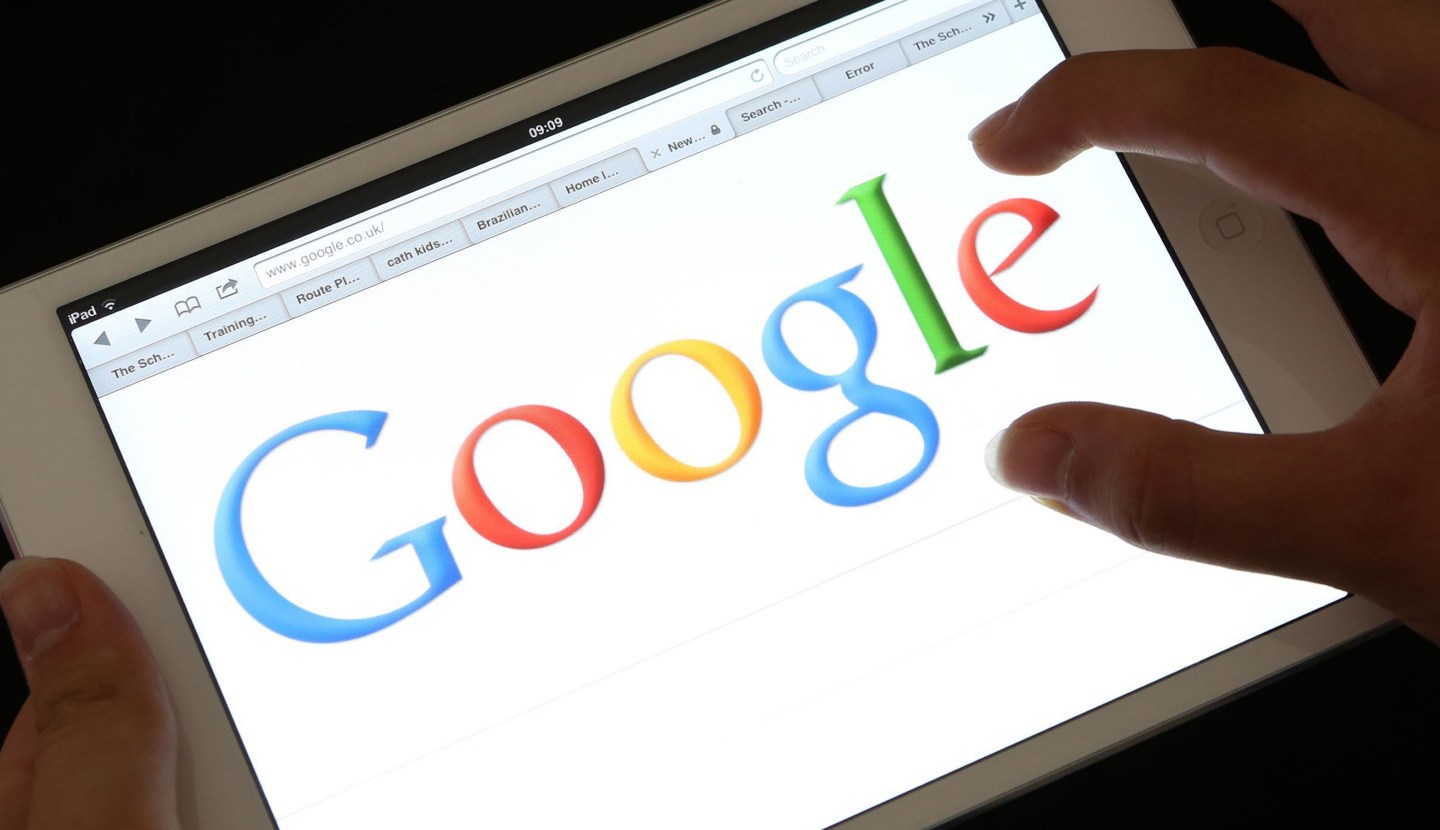
Digital business help from Google. File photo dated 04/09/13 of an iPad showing the Google search engine home page as the internet giant has launched a multimillion-pound initiative aimed at helping thousands of firms with digital business. Issue date: Friday March 13, 2015. The company is opening so-called "pop-up garages", starting in Leeds later this month, as part of a six-month scheme offering digital classes, as well as offering workshops in computer science training for teachers. Eileen Naughton, Google's managing director for UK & Ireland, said: "While the majority of UK small businesses recognise the importance of having a website and using basic digital tools, less than 30% of small to medium-sized enterprises have an effective online presence. We want to help jumpstart the other 70%. We believe that giving small business-owners access to expert advice will help strengthen the UK's reputation as one of the most advanced digital economies, and cement its place as the most advanced e-commerce market in the world.Ó See PA story INDUSTRY Google. Photo credit should read: Chris Radburn/PA Wire URN:22485088Chris Radburn — PA Wire/AP

Google is the latest company to be caught out by software behaving like a jerk, with researchers from Carnegie Mellon University showing that the company displays more prestigious job listings to men as opposed to women. MIT’s Technology Review reported that the researchers built a tool called AdFisher and created fake profiles to look for jobs using profiles with male names and female names.

The research looked at the targeting of ads served up by Google on third-party websites and found the issues associated with job listings. It also found that the ad settings page that Google shows searchers so they can see how Google is making inferences about them, doesn’t offer a complete picture. Researchers found that visiting webpages associated with substance abuse changed the ads shown to substance-abuse-related ads but that the ad setting page didn’t change.

This isn’t the first time Google has had trouble with its algorithms. Its facial recognition algorithms used in its photo software recently labeled a photo of two African-American people as gorillas, and it also was called out for only showing male images for a search of “CEO.” Facebook and other companies trying to build smart machines have had similar problems with their algorithms.

Stories like this aren’t just fodder to titillate your friends on Facebook (governed by its own algorithms), but should drive home two important lessons. The first is that as our machines get smarter and we trust them to do more of our thinking, diversity in tech becomes more important. The reason these algorithms make these mistakes isn’t necessarily malicious, it’s because they reflect the biases of those that programmed them. For example, if you train facial recognition software using photos from your employees and have few black employees, then your software won’t recognize African-Americans as well.

When you built software to show certain people job listings, there are any number of ways biases can creep in, from an assumption that men are more interested in C-level jobs to looking at salary range and eliminating women for some jobs because they are historically paid less. Having employees who can bring these systemic biases to the forefront will help tech firms (and any firms building machine learning algorithms) avoid these mistakes.

The second big lesson we need to learn from these stories is that this software has real consequences and we need to ensure that we don’t blindly trust it. Discrimination from software can have tangible effects on people’s lives, such as downgrading their credit scores, tweaking the value of their homes and even who they perceive to be their friends on social networks. Thus, we need ways to monitor how algorithms affect people, which is why research like Carnegie Mellon’s is so important.

In the case of the findings from this research, Google was notified of the findings, but didn’t respond to the team. That’s unfortunate, because it may have led to better research and ultimately, better algorithms. In many cases all researchers are hoping for is more transparency from the companies they are covering. From the MIT Tech review story:

However, [Roxana Geambasu, an assistant professor at Columbia University] says that the results from both XRay and AdFisher are still only suggestive. “You can’t draw big conclusions, because we haven’t studied this very much and these examples could be rare exceptions,” she says. “What we need now is infrastructure and tools to study these systems at much larger scale.” Being able to watch how algorithms target and track people to do things like serve ads or tweak the price of insurance and other products is likely to be vital if civil rights groups and regulators are to keep pace with developments in how companies use data, she says.

Google responded to the news stories about the study’s findings with the following statement:

Advertisers can choose to target the audience they want to reach, and we have policies that guide the type of interest-based ads that are allowed. We provide transparency to users with ‘Why This Ad’ notices and Ad Settings, as well as the ability to opt out of interest-based ads.

This is a complicated issue, made worse by the lack of understanding around computer science and how we are training computers to think and see. For now, public shame may be enough, but that’s likely only in cases of hot button issues around racism and sexism. Other problematic algorithms around class discrimination or labeling drug addicts by their search terms will be tougher to draw attention to. But they are just as harmful.

The Obama administration is looking at the problem, as are others. Suggestions include the aforementioned public shaming, government legislation or teaching people some kind of algorithmic literacy. But the first step is to hire with diversity in mind.

This story was updated to add Google’s comment.

About the Author
By Stacey Higginbotham
See full bioRight Arrow Button Icon

Latest in Tech

Finance
Lorem ipsum dolor sit amet, consectetur adipiscing elit, sed do eiusmod tempor incididunt ut labore et dolore magna aliqua. Ut enim ad minim veniam
By Fortune Editors
October 20, 2025
Finance
Lorem ipsum dolor sit amet, consectetur adipiscing elit, sed do eiusmod tempor incididunt ut labore et dolore magna aliqua. Ut enim ad minim veniam
By Fortune Editors
October 20, 2025
Finance
Lorem ipsum dolor sit amet, consectetur adipiscing elit, sed do eiusmod tempor incididunt ut labore et dolore magna aliqua. Ut enim ad minim veniam
By Fortune Editors
October 20, 2025
Finance
Lorem ipsum dolor sit amet, consectetur adipiscing elit, sed do eiusmod tempor incididunt ut labore et dolore magna aliqua. Ut enim ad minim veniam
By Fortune Editors
October 20, 2025
Finance
Lorem ipsum dolor sit amet, consectetur adipiscing elit, sed do eiusmod tempor incididunt ut labore et dolore magna aliqua. Ut enim ad minim veniam
By Fortune Editors
October 20, 2025
Finance
Lorem ipsum dolor sit amet, consectetur adipiscing elit, sed do eiusmod tempor incididunt ut labore et dolore magna aliqua. Ut enim ad minim veniam
By Fortune Editors
October 20, 2025

Most Popular

Finance
Lorem ipsum dolor sit amet, consectetur adipiscing elit, sed do eiusmod tempor incididunt ut labore et dolore magna aliqua. Ut enim ad minim veniam
By Fortune Editors
October 20, 2025
Finance
Lorem ipsum dolor sit amet, consectetur adipiscing elit, sed do eiusmod tempor incididunt ut labore et dolore magna aliqua. Ut enim ad minim veniam
By Fortune Editors
October 20, 2025
Finance
Lorem ipsum dolor sit amet, consectetur adipiscing elit, sed do eiusmod tempor incididunt ut labore et dolore magna aliqua. Ut enim ad minim veniam
By Fortune Editors
October 20, 2025
Finance
Lorem ipsum dolor sit amet, consectetur adipiscing elit, sed do eiusmod tempor incididunt ut labore et dolore magna aliqua. Ut enim ad minim veniam
By Fortune Editors
October 20, 2025
Finance
Lorem ipsum dolor sit amet, consectetur adipiscing elit, sed do eiusmod tempor incididunt ut labore et dolore magna aliqua. Ut enim ad minim veniam
By Fortune Editors
October 20, 2025
Finance
Lorem ipsum dolor sit amet, consectetur adipiscing elit, sed do eiusmod tempor incididunt ut labore et dolore magna aliqua. Ut enim ad minim veniam
By Fortune Editors
October 20, 2025
Fortune Secondary Logo
Rankings
  • 100 Best Companies
  • Fortune 500
  • Global 500
  • Fortune 500 Europe
  • Most Powerful Women
  • World's Most Admired Companies
  • See All Rankings
  • Lists Calendar
Sections
  • Finance
  • Fortune Crypto
  • Features
  • Leadership
  • Health
  • Commentary
  • Success
  • Retail
  • Mpw
  • Tech
  • Lifestyle
  • CEO Initiative
  • Asia
  • Politics
  • Conferences
  • Europe
  • Newsletters
  • Personal Finance
  • Environment
  • Magazine
  • Education
Customer Support
  • Frequently Asked Questions
  • Customer Service Portal
  • Privacy Policy
  • Terms Of Use
  • Single Issues For Purchase
  • International Print
Commercial Services
  • Advertising
  • Fortune Brand Studio
  • Fortune Analytics
  • Fortune Conferences
  • Business Development
  • Group Subscriptions
About Us
  • About Us
  • Press Center
  • Work At Fortune
  • Terms And Conditions
  • Site Map
  • About Us
  • Press Center
  • Work At Fortune
  • Terms And Conditions
  • Site Map
  • Facebook icon
  • Twitter icon
  • LinkedIn icon
  • Instagram icon
  • Pinterest icon

Latest in Tech

Photo of vegan cheese products
AITech
A Mark Cuban–backed vegan cheese company trained AI to scrutinize cardboard boxes. It’s saved $400,000
By Jake AngeloMay 1, 2026
10 hours ago
Young trade worker learning on job
SuccessHiring
Forget Big Tech: Small businesses will hire nearly 1 million grads in 2026—and some of the hottest roles are gloriously AI-proof
By Emma BurleighMay 1, 2026
11 hours ago
Andrew McAfee
SuccessCareers
MIT AI expert warns automating Gen Z entry-level jobs could backfire—and cost companies their future workforce
By Preston ForeMay 1, 2026
12 hours ago
duke
Big TechAmazon
Amazon Prime Video reaches deal with Duke Blue Devils to air 3 games per season
By The Associated PressMay 1, 2026
14 hours ago
valerie
CommentaryLayoffs
Tesla’s former HR chief: the AI layoff panic Is built on a false premise—here’s what most workers need to know
By Valerie Capers WorkmanMay 1, 2026
14 hours ago
AI
AIdisruption
Meet the Americans dismissing AI hype and using it with ingenuity: ‘The efficiencies gained out of it have been tremendous’
By Cathy Bussewitz and The Associated PressMay 1, 2026
14 hours ago

Most Popular

Scott Bessent on financial literacy: 'it drives me crazy' to see young men in blue-collar construction jobs playing the lottery
Personal Finance
Scott Bessent on financial literacy: 'it drives me crazy' to see young men in blue-collar construction jobs playing the lottery
By Fatima Hussein and The Associated PressMay 1, 2026
14 hours ago
China dominates the world's lithium supply. The U.S. just found 328 years' worth in its own backyard
North America
China dominates the world's lithium supply. The U.S. just found 328 years' worth in its own backyard
By Jake AngeloApril 30, 2026
1 day ago
The U.S. economy is booming — just not where 50 million Americans live
Commentary
The U.S. economy is booming — just not where 50 million Americans live
By Derek KilmerMay 1, 2026
18 hours ago
Accenture's Julie Sweet blew up 50 years of company history. She says the hardest part is still ahead
Conferences
Accenture's Julie Sweet blew up 50 years of company history. She says the hardest part is still ahead
By Nick LichtenbergApril 29, 2026
3 days ago
Apple cofounder Ronald Wayne—whose stake would be worth up to $400 billion had he not sold it in 1976—says that at 91, he has no regrets
Success
Apple cofounder Ronald Wayne—whose stake would be worth up to $400 billion had he not sold it in 1976—says that at 91, he has no regrets
By Preston ForeApril 27, 2026
5 days ago
Current price of oil as of May 1, 2026
Personal Finance
Current price of oil as of May 1, 2026
By Joseph HostetlerMay 1, 2026
15 hours ago

© 2026 Fortune Media IP Limited. All Rights Reserved. Use of this site constitutes acceptance of our Terms of Use and Privacy Policy | CA Notice at Collection and Privacy Notice | Do Not Sell/Share My Personal Information
FORTUNE is a trademark of Fortune Media IP Limited, registered in the U.S. and other countries. FORTUNE may receive compensation for some links to products and services on this website. Offers may be subject to change without notice.