• Home
  • Latest
  • Fortune 500
  • Finance
  • Tech
  • Leadership
  • Lifestyle
  • Rankings
  • Multimedia

Trendingnow

1

U.S. companies have finally gotten $71 billion in tariff refunds, but they’re using it to offset inflation caused by the Iran war

2

FedEx CEO says we are in the middle of the biggest supply chain shift he’s seen in 35 years: ‘We are the referendum’

3

Kevin O’Leary claimed opposition to his Utah data center was fueled by Chinese money. Now he and Fox News are being sued for defamation

1

U.S. companies have finally gotten $71 billion in tariff refunds, but they’re using it to offset inflation caused by the Iran war

2

FedEx CEO says we are in the middle of the biggest supply chain shift he’s seen in 35 years: ‘We are the referendum’

3

Kevin O’Leary claimed opposition to his Utah data center was fueled by Chinese money. Now he and Fox News are being sued for defamation
CommentaryOil

Oil’s wild ride: where will prices go?

By
Steve A. Yetiv
Steve A. Yetiv
Down Arrow Button Icon
By
Steve A. Yetiv
Steve A. Yetiv
Down Arrow Button Icon
May 7, 2015, 2:12 PM ET
Operations At An Orion Drilling Co. Oil Platform
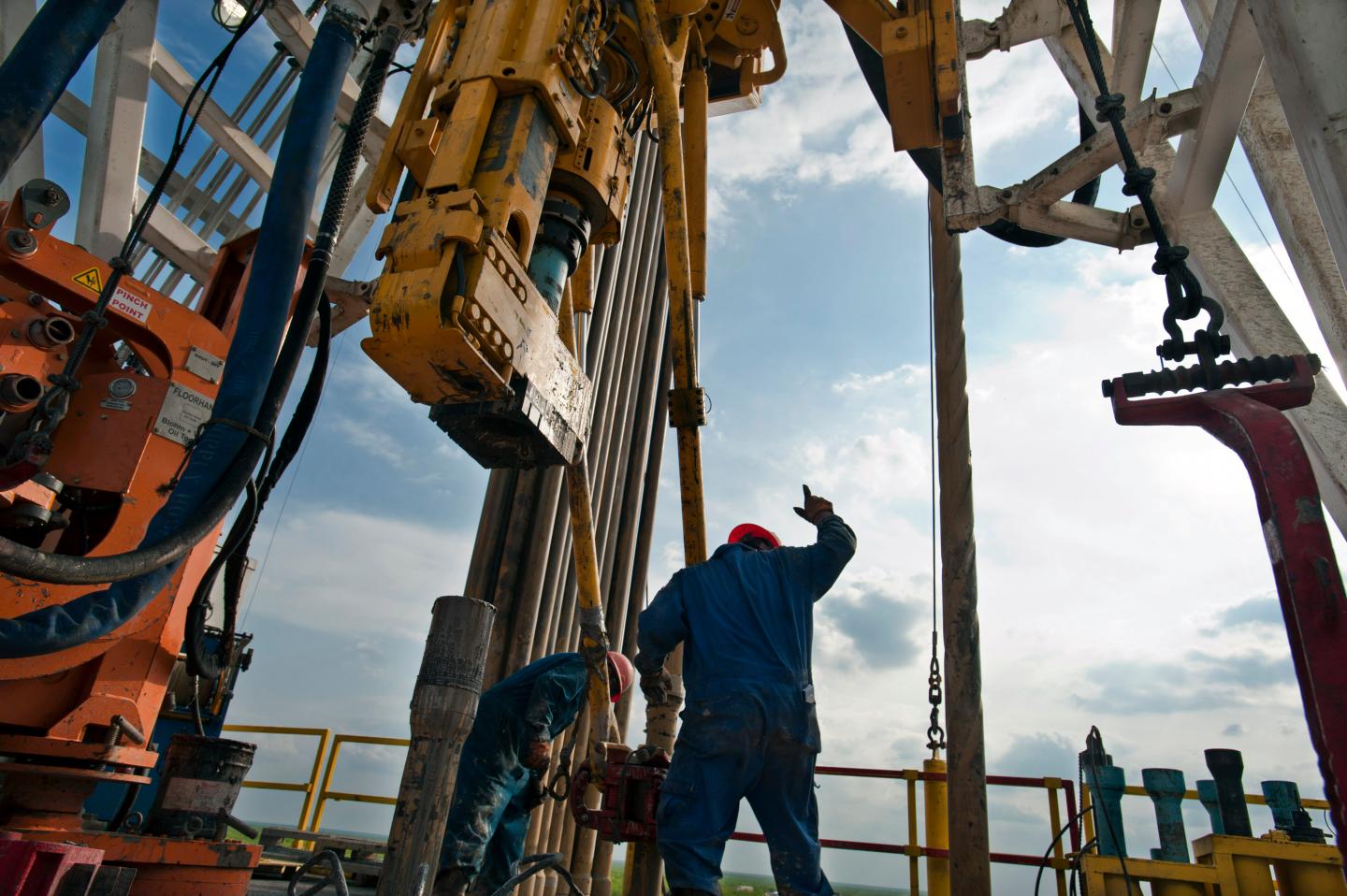
A floor hand signals to the driller to pull the pipe from the mouse hole on Orion Drilling Co.'s Perseus drilling rig near Encinal in Webb County, Texas, U.S., on Monday, March 26, 2012. The Perseus is drilling for oil and gas in the Eagle Ford Shale, a sedimentary rock formation underlying an area of South and East Texas. Photographer: Eddie Seal/Bloomberg via Getty ImagesPhotograph by Eddie Seal — Bloomberg via Getty Images
Add Fortune on Google for similar content.

From Main Street to Wall Street, Beijing to Paris, people are interested in whether oil prices will rise or fall. I suggest that we begin to examine this question by asking why oil prices dropped like a rocket from over $105 per barrel on the New York Mercantile Exchange in summer 2014 to around $47 per barrel in January 2015. We can then see if the causes of the price collapse are likely to reverse going forward.

For starters, oil prices are determined mainly by the combined behavior of oil traders on markets like the NYMEX. When traders believe that oil prices will rise, they buy oil futures in hopes of selling them later for a profit. Such buying increases oil prices, and, eventually, the price of derivatives, such as gasoline and heating oil.

As I discuss in my book, “Myths of the Oil Boom,” the oil price crash of 2014-2015 resulted from a perfect storm of developments. Global economic growth slowed worldwide most notably in China, India, Japan, and in Europe, leading the International Energy Agency to lower its forecast for global oil demand in mid-October 2014. Moreover, the US dollar reached two-year highs (because oil is priced globally in dollars, a weak dollar usually raises the price of oil).

Geo-politically, Libya stabilized and started to pump more oil, and traders became more sanguine about a nuclear deal with Iran that would prevent war in the region, lift sanctions on Iran, and free it to export much more of its oil.

Most importantly, the Saudis and other OPEC members decided chiefly in November 2014 not to cut oil production. That could have offset the extra oil production of the American oil boom, which in and of itself was pressuring prices. Saudi inaction, which was rare given the Kingdom’s historical role of at least trying to keep oil prices in a range, was the main trigger of the oil price free fall.

Since the January 2015 low in oil prices, some of the causes of the price collapse have started to reverse, which explains why oil futures recently rebounded to over $60 per barrel for the first time in five months. What can we now expect?

The global economy remains a big wild card. The strong dollar has hurt American exports and gross domestic product, but others around the world have benefited from this imbalance such as Europe where the European Commission recently raised its forecast for Eurozone economic growth. Yet, China’s oil guzzling economy is growing at its slowest pace in many years.

The US dollar has weakened a bit, which is correlated with the recent rise of oil prices, but the Federal Reserve could eventually raise interest rates, which could buttress the US dollar and continue to suppress oil prices, all things equal.

Geo-politically, recent protests at a Libyan oil port contributed to rising oil prices and that underscored Libya’s ongoing instability—a problem faced by other major producers, including Iraq, Nigeria, and Venezuela. But on the flip side and far more importantly, nuclear negotiations with Iran seem likely to succeed. Yes, it will take time for Iran to ramp up oil production, but taking war off the table should placate oil traders.

For its part, the American oil boom has lost some steam—which is probably what the Saudis wanted when they refused to buttress oil prices in 2014. Half of the American oil rigs have been shut down due to the oil price crash, leading OPEC recently to conclude that America is near an oil-output peak. And that has contributed to the recent rise in oil prices. These rigs are likely to remain shuttered unless oil prices recover in a sustained way, which will probably bring the rigs back into action.

Then there is the House of Saud. What will the Saudis do? By failing to cut their oil production, they have met their probable goals of hurting the U.S. oil boom; checking their arch enemy Iran; and instilling more discipline in OPEC. They probably think that their work is done for now. And, anyway, they need higher oil prices, as do many OPEC members, to meet their budget targets at home and to subsidize their growing cradle-to-grave society. They probably won’t take action to suppress oil prices at these levels.

Overall, then, we may expect a Goldilocks price scenario in the next six months—not too high and not too low. My guess is that all these countervailing forces will yield an average price between $52 and $68, barring major unforeseen developments.

And that’s just fine for the American and global economy. Consumers will continue to benefit from relatively lower prices, while the energy industry will not be hobbled altogether.

But whatever happens, we would be wise not to forget about greener energies and practices for a sustainable future, partly to temper our vulnerability to the vagaries of oil markets.

Steve A. Yetiv is author of Myths of the Oil Boom: American National Security in a Global Energy Market.

About the Author
By Steve A. Yetiv
See full bioRight Arrow Button Icon
Add Fortune on Google for similar content.

Latest in Commentary

Finance
Lorem ipsum dolor sit amet, consectetur adipiscing elit, sed do eiusmod tempor incididunt ut labore et dolore magna aliqua. Ut enim ad minim veniam
By Fortune Editors
October 20, 2025
Finance
Lorem ipsum dolor sit amet, consectetur adipiscing elit, sed do eiusmod tempor incididunt ut labore et dolore magna aliqua. Ut enim ad minim veniam
By Fortune Editors
October 20, 2025
Finance
Lorem ipsum dolor sit amet, consectetur adipiscing elit, sed do eiusmod tempor incididunt ut labore et dolore magna aliqua. Ut enim ad minim veniam
By Fortune Editors
October 20, 2025
Finance
Lorem ipsum dolor sit amet, consectetur adipiscing elit, sed do eiusmod tempor incididunt ut labore et dolore magna aliqua. Ut enim ad minim veniam
By Fortune Editors
October 20, 2025
Finance
Lorem ipsum dolor sit amet, consectetur adipiscing elit, sed do eiusmod tempor incididunt ut labore et dolore magna aliqua. Ut enim ad minim veniam
By Fortune Editors
October 20, 2025
Finance
Lorem ipsum dolor sit amet, consectetur adipiscing elit, sed do eiusmod tempor incididunt ut labore et dolore magna aliqua. Ut enim ad minim veniam
By Fortune Editors
October 20, 2025

Most Popular

Finance
Lorem ipsum dolor sit amet, consectetur adipiscing elit, sed do eiusmod tempor incididunt ut labore et dolore magna aliqua. Ut enim ad minim veniam
By Fortune Editors
October 20, 2025
Finance
Lorem ipsum dolor sit amet, consectetur adipiscing elit, sed do eiusmod tempor incididunt ut labore et dolore magna aliqua. Ut enim ad minim veniam
By Fortune Editors
October 20, 2025
Finance
Lorem ipsum dolor sit amet, consectetur adipiscing elit, sed do eiusmod tempor incididunt ut labore et dolore magna aliqua. Ut enim ad minim veniam
By Fortune Editors
October 20, 2025
Finance
Lorem ipsum dolor sit amet, consectetur adipiscing elit, sed do eiusmod tempor incididunt ut labore et dolore magna aliqua. Ut enim ad minim veniam
By Fortune Editors
October 20, 2025
Finance
Lorem ipsum dolor sit amet, consectetur adipiscing elit, sed do eiusmod tempor incididunt ut labore et dolore magna aliqua. Ut enim ad minim veniam
By Fortune Editors
October 20, 2025
Finance
Lorem ipsum dolor sit amet, consectetur adipiscing elit, sed do eiusmod tempor incididunt ut labore et dolore magna aliqua. Ut enim ad minim veniam
By Fortune Editors
October 20, 2025
Fortune Secondary Logo
Rankings
  • 100 Best Companies
  • Fortune 500
  • Global 500
  • Fortune 500 Europe
  • Most Powerful Women
  • World's Most Admired Companies
  • See All Rankings
  • Lists Calendar
Sections
  • Finance
  • Fortune Crypto
  • Features
  • Leadership
  • Health
  • Commentary
  • Success
  • Retail
  • Mpw
  • Tech
  • Lifestyle
  • CEO Initiative
  • Asia
  • Politics
  • Conferences
  • Europe
  • Newsletters
  • Personal Finance
  • Environment
  • Magazine
  • Education
Customer Support
  • Frequently Asked Questions
  • Customer Service Portal
  • Privacy Policy
  • Terms Of Use
  • Single Issues For Purchase
  • International Print
Commercial Services
  • Advertising
  • Fortune Brand Studio
  • Fortune Analytics
  • Fortune Conferences
  • Business Development
  • Group Subscriptions
About Us
  • About Us
  • Press Center
  • Work At Fortune
  • Terms And Conditions
  • Site Map
  • About Us
  • Press Center
  • Work At Fortune
  • Terms And Conditions
  • Site Map
  • Facebook icon
  • Twitter icon
  • LinkedIn icon
  • Instagram icon
  • Pinterest icon

Latest in Commentary

time
CommentaryDaylight Saving Time
It’s time to dump time zones
By Steve H. HankeJuly 18, 2026
4 hours ago
Svenja Gudell, Chief Economist, Indeed
Commentaryaging
Indeed chief economist: Aging Baby Boomers are America’s real labor problem, not AI
By Svenja GudellJuly 18, 2026
8 hours ago
shelton
Commentarydisruption
Former Obama official on AI anxiety and the depression nobody remembers — and the training model that gives him hope
By Jim SheltonJuly 17, 2026
1 day ago
dollar
CommentaryCurrency
The dollar’s demise has been predicted for 55 years. The BCG Institute says it’s still overstated
By Philipp Carlsson-Szlezak, Nikolaus Lang and Paul SwartzJuly 17, 2026
1 day ago
Europe optimized its supply chains for cost. Now it must pay for resilience  
Commentarysupply chains
Europe optimized its supply chains for cost. Now it must pay for resilience  
By Richard SaynorJuly 16, 2026
2 days ago
tony
Commentarydisruption
Genesys CEO: We can see firsthand how AI is changing — not replacing — work
By Tony BatesJuly 16, 2026
2 days ago

Most Popular

U.S. companies have finally gotten $71 billion in tariff refunds, but they’re using it to offset inflation caused by the Iran war
Economy
U.S. companies have finally gotten $71 billion in tariff refunds, but they’re using it to offset inflation caused by the Iran war
By Sasha RogelbergJuly 17, 2026
1 day ago
FedEx CEO says we are in the middle of the biggest supply chain shift he’s seen in 35 years: ‘We are the referendum’
C-Suite
FedEx CEO says we are in the middle of the biggest supply chain shift he’s seen in 35 years: ‘We are the referendum’
By Fortune EditorsJuly 15, 2026
3 days ago
Kevin O’Leary claimed opposition to his Utah data center was fueled by Chinese money. Now he and Fox News are being sued for defamation
Law
Kevin O’Leary claimed opposition to his Utah data center was fueled by Chinese money. Now he and Fox News are being sued for defamation
By Marco Quiroz-GutierrezJuly 17, 2026
1 day ago
Buffett says AI giants are ‘playing a game they don’t want to play’ in the AI race, reveals he was behind Berkshire’s $31 billion bet on Google
Big Tech
Buffett says AI giants are ‘playing a game they don’t want to play’ in the AI race, reveals he was behind Berkshire’s $31 billion bet on Google
By Mia OsmonbekovJuly 16, 2026
2 days ago
Trump may have to choose between an endless quagmire and ceding the Strait of Hormuz to Iran
Energy
Trump may have to choose between an endless quagmire and ceding the Strait of Hormuz to Iran
By Jordan BlumJuly 18, 2026
10 hours ago
After the Supreme Court killed his first tariffs, Trump turns to a new legal workaround to impose 25% tariffs on Brazil and possibly others
Economy
After the Supreme Court killed his first tariffs, Trump turns to a new legal workaround to impose 25% tariffs on Brazil and possibly others
By Marco Quiroz-GutierrezJuly 17, 2026
21 hours ago

© 2026 Fortune Media IP Limited. All Rights Reserved. Use of this site constitutes acceptance of our Terms of Use and Privacy Policy | CA Notice at Collection and Privacy Notice | Do Not Sell/Share My Personal Information
FORTUNE is a trademark of Fortune Media IP Limited, registered in the U.S. and other countries. FORTUNE may receive compensation for some links to products and services on this website. Offers may be subject to change without notice.