• Home
  • Latest
  • Fortune 500
  • Finance
  • Tech
  • Leadership
  • Lifestyle
  • Rankings
  • Multimedia

Why Netflix got into hot water

By
Eleanor Bloxham
Eleanor Bloxham
Down Arrow Button Icon
By
Eleanor Bloxham
Eleanor Bloxham
Down Arrow Button Icon
December 17, 2012, 10:51 AM ET

FORTUNE — We’ve certainly witnessed a bonanza of insider investigations and trials involving corporate secrets in 2012: Raj Rajaratnam of Galleon Group, SAC Capital, and Tiger Asia Management as a few examples.

In all these cases, inside information was the seedling for the alleged insider trading.

Executives are often put in positions where they can take advantage of inside information. Corporate execs are under investigation for insider trading at Big Lots (BIG), VeriFone Systems (PAY), Body Central (BODY), Micrel (MCRL), and Cobalt International Energy (CIE), the Wall Street Journal reported. Based on their analysis, at least 4,185 executives made trades since 2004 that could be suspicious.

Selective disclosure of inside information to just a few people can also lead to misbehavior. It may involve whispering in one person’s ear: think Rajat Gupta’s alleged leaking of Goldman (GS) board secrets. Or it might involve disclosure of company information just to your Facebook (FB) fans, something the SEC is looking into in the case of Netflix (NFLX). It could involve selective disclosure to your fellow Harvard alumni in a social network group. Or it could involve telling me, an outsider, what is happening inside your company because you want to explain why you might not be able to meet me at a certain time or date.

MORE: Mary Barra: GM’s next CEO?

It might seem like the Netflix case, which is related to potential selective disclosure of material company information, is very different from an insider trading case. But selective disclosure and insider trading are birds of a feather. CEO Reed Hastings’ Facebook message was perhaps not for his immediate personal gain, but he may have unwittingly turned his Facebook readers into insiders.

Regulation FD (Fair Disclosure) — which requires that companies disclose material information to the public rather than just share it with a select group of people — was adopted in August 2000 to help make the markets fairer. Harvey Goldschmid, the architect of Regulation FD, was general counsel at the SEC when the rule was formed.  Goldschmid, who later became an SEC commissioner, explained to me several years ago how and why Regulation FD was born.

In the late 1990s, it was possible to hold individuals’ feet to the fire if they made money on an insider trade, but it was much harder to address other cases of inside information and trading. One common issue involved sharing information with Wall Street analysts. An executive might provide inside information to an analyst or just a group of analysts, letting them in on what the quarter would look like for their company. The Wall-Streeters in the know might then “trade on it in proprietary terms or their clients would trade. It set up all of the reprehensible aspects of insider trading,” Goldschmid told me. While the executive might not pocket any money, he might be buying goodwill or ingratiating himself to his followers.

So the question was how to get at these cases of an executive leaking to favored groups, which were more difficult to handle than a standard tip with a payoff. “There was an argument whether we could do it on the insider trading law,” Goldschmid said. “And as I became general counsel, there were about 14 cases that had been collected that we could bring to try to broaden out insider trading law to reach this kind of activity by corporations.”

Some of Goldschmid’s academic colleagues thought the SEC might not be able to prevail in those cases.  He said his deputy thought the chance of winning would be like “shooting fish in a barrel.” There were also concerns that bringing the cases under the insider trading law could create confusion and that the draconian penalties of insider trading might be too severe.

Regulation FD was the solution to stop this selective disclosure of information and give everyone a heads up in advance that there were new rules and what the parameters would be. At its core, Regulation FD was designed to stop insider trading where it begins, with inside information — and to create markets that are fair so that people without special access would want to invest.

MORE: Lessons from a reluctant manager

Contrary to what the New York Times’ Steven Davidoff argues, Reg FD has nothing to do with “the S.E.C.’s fetish of trying to control company disclosure to the nth degree.” In fact, Regulation FD is there to safeguard our markets and ensure taxpayer dollars aren’t squandered any more than need be. FD performs this simply too, by stopping insider trading in its tracks.

I caught up with Goldschmid this week and he put it well. “There is no question from any serious empirical studies that there is more information out today, available to the public, than ever before. We see companies using open phone calls allowing investors and others on the lines and avoiding the kind of underhanded disclosure of information that existed in the past. Regulation FD is what our country needs. We need fair markets and we need to avoid the large advantage of the favored few.”

Eleanor Bloxham is CEO of The Value Alliance and Corporate Governance Alliance (http://thevaluealliance.com), a board advisory firm.

About the Author
By Eleanor Bloxham
See full bioRight Arrow Button Icon

Latest in blogging

Finance
Lorem ipsum dolor sit amet, consectetur adipiscing elit, sed do eiusmod tempor incididunt ut labore et dolore magna aliqua. Ut enim ad minim veniam
By Fortune Editors
October 20, 2025
Finance
Lorem ipsum dolor sit amet, consectetur adipiscing elit, sed do eiusmod tempor incididunt ut labore et dolore magna aliqua. Ut enim ad minim veniam
By Fortune Editors
October 20, 2025
Finance
Lorem ipsum dolor sit amet, consectetur adipiscing elit, sed do eiusmod tempor incididunt ut labore et dolore magna aliqua. Ut enim ad minim veniam
By Fortune Editors
October 20, 2025
Finance
Lorem ipsum dolor sit amet, consectetur adipiscing elit, sed do eiusmod tempor incididunt ut labore et dolore magna aliqua. Ut enim ad minim veniam
By Fortune Editors
October 20, 2025
Finance
Lorem ipsum dolor sit amet, consectetur adipiscing elit, sed do eiusmod tempor incididunt ut labore et dolore magna aliqua. Ut enim ad minim veniam
By Fortune Editors
October 20, 2025
Finance
Lorem ipsum dolor sit amet, consectetur adipiscing elit, sed do eiusmod tempor incididunt ut labore et dolore magna aliqua. Ut enim ad minim veniam
By Fortune Editors
October 20, 2025

Most Popular

Finance
Lorem ipsum dolor sit amet, consectetur adipiscing elit, sed do eiusmod tempor incididunt ut labore et dolore magna aliqua. Ut enim ad minim veniam
By Fortune Editors
October 20, 2025
Finance
Lorem ipsum dolor sit amet, consectetur adipiscing elit, sed do eiusmod tempor incididunt ut labore et dolore magna aliqua. Ut enim ad minim veniam
By Fortune Editors
October 20, 2025
Finance
Lorem ipsum dolor sit amet, consectetur adipiscing elit, sed do eiusmod tempor incididunt ut labore et dolore magna aliqua. Ut enim ad minim veniam
By Fortune Editors
October 20, 2025
Finance
Lorem ipsum dolor sit amet, consectetur adipiscing elit, sed do eiusmod tempor incididunt ut labore et dolore magna aliqua. Ut enim ad minim veniam
By Fortune Editors
October 20, 2025
Finance
Lorem ipsum dolor sit amet, consectetur adipiscing elit, sed do eiusmod tempor incididunt ut labore et dolore magna aliqua. Ut enim ad minim veniam
By Fortune Editors
October 20, 2025
Finance
Lorem ipsum dolor sit amet, consectetur adipiscing elit, sed do eiusmod tempor incididunt ut labore et dolore magna aliqua. Ut enim ad minim veniam
By Fortune Editors
October 20, 2025
Fortune Secondary Logo
Rankings
  • 100 Best Companies
  • Fortune 500
  • Global 500
  • Fortune 500 Europe
  • Most Powerful Women
  • World's Most Admired Companies
  • See All Rankings
  • Lists Calendar
Sections
  • Finance
  • Fortune Crypto
  • Features
  • Leadership
  • Health
  • Commentary
  • Success
  • Retail
  • Mpw
  • Tech
  • Lifestyle
  • CEO Initiative
  • Asia
  • Politics
  • Conferences
  • Europe
  • Newsletters
  • Personal Finance
  • Environment
  • Magazine
  • Education
Customer Support
  • Frequently Asked Questions
  • Customer Service Portal
  • Privacy Policy
  • Terms Of Use
  • Single Issues For Purchase
  • International Print
Commercial Services
  • Advertising
  • Fortune Brand Studio
  • Fortune Analytics
  • Fortune Conferences
  • Business Development
  • Group Subscriptions
About Us
  • About Us
  • Press Center
  • Work At Fortune
  • Terms And Conditions
  • Site Map
  • About Us
  • Press Center
  • Work At Fortune
  • Terms And Conditions
  • Site Map
  • Facebook icon
  • Twitter icon
  • LinkedIn icon
  • Instagram icon
  • Pinterest icon

Most Popular

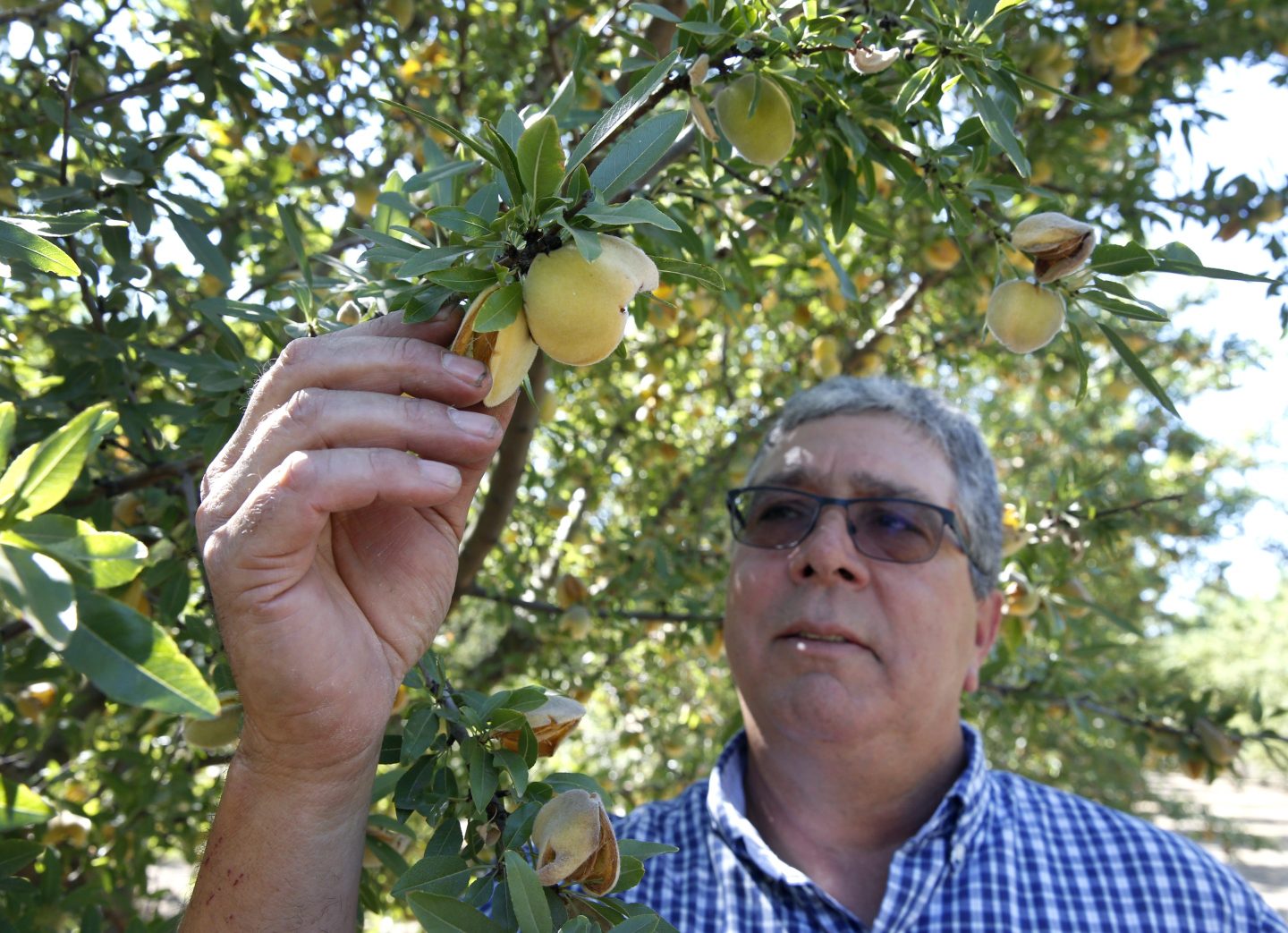
California farmers must destroy 420,000 peach trees after Del Monte closes its canneries and cancels more than $550 million in long-term contracts
North America
California farmers must destroy 420,000 peach trees after Del Monte closes its canneries and cancels more than $550 million in long-term contracts
By Sasha RogelbergMay 7, 2026
1 day ago
'Blue dot fever' plagues musicians like Post Malone, Meghan Trainor, and Zayn as a growing list of artists cancel tours due to lagging ticket sales
Arts & Entertainment
'Blue dot fever' plagues musicians like Post Malone, Meghan Trainor, and Zayn as a growing list of artists cancel tours due to lagging ticket sales
By Dave Lozo and Morning BrewMay 7, 2026
1 day ago
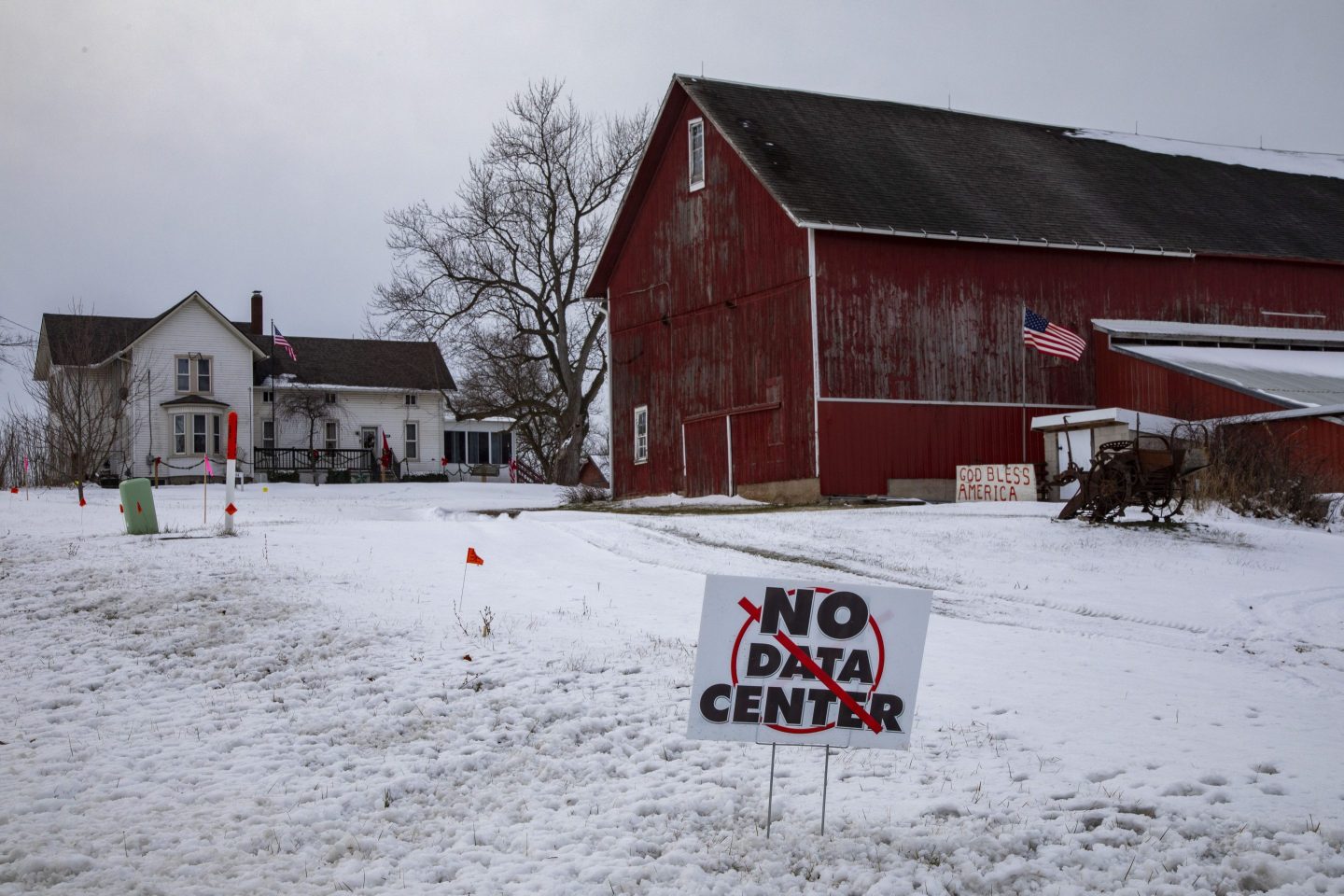
A Michigan farm town voted down plans for a giant OpenAI-Oracle data center. Weeks later, construction began
Magazine
A Michigan farm town voted down plans for a giant OpenAI-Oracle data center. Weeks later, construction began
By Sharon GoldmanMay 6, 2026
3 days ago
U.S. Treasury will have to borrow $2 trillion this year just to continue functioning—more than $166 billion every month
Economy
U.S. Treasury will have to borrow $2 trillion this year just to continue functioning—more than $166 billion every month
By Eleanor PringleMay 7, 2026
1 day ago
Airbnb CEO Brian Chesky warns two types of people won’t survive the AI era: ‘pure people managers’ and workers who resist change
Success
Airbnb CEO Brian Chesky warns two types of people won’t survive the AI era: ‘pure people managers’ and workers who resist change
By Emma BurleighMay 7, 2026
1 day ago
Current price of oil as of May 7, 2026
Personal Finance
Current price of oil as of May 7, 2026
By Joseph HostetlerMay 7, 2026
1 day ago

© 2026 Fortune Media IP Limited. All Rights Reserved. Use of this site constitutes acceptance of our Terms of Use and Privacy Policy | CA Notice at Collection and Privacy Notice | Do Not Sell/Share My Personal Information
FORTUNE is a trademark of Fortune Media IP Limited, registered in the U.S. and other countries. FORTUNE may receive compensation for some links to products and services on this website. Offers may be subject to change without notice.