• Home
  • News
  • Fortune 500
  • Tech
  • Finance
  • Leadership
  • Lifestyle
  • Rankings
  • Multimedia

How the U.S. Got ISIS’s Finances All Wrong

By
Michal Addady
Michal Addady
Down Arrow Button Icon
By
Michal Addady
Michal Addady
Down Arrow Button Icon
November 19, 2015, 1:00 PM ET
Iraqi Kurdish Forces Launch Offensive Against ISIS Near Kirkuk
KIRKUK, IRAQ - MARCH 13: A peshmerga checkpoint is reflected in pools of oil with damaged oil pipeline infrastructure, as Iraqi Kurdish forces push the frontline forward against ISIS forces in the Tal al-Ward district 20 miles southwest of Kirkuk, Iraq, on March 13, 2015. These peshmerga units of the Patriotic Union of Kurdistan (PUK) faction have made significant gains against villages held by ISIS, in concert with an Iraqi government and Shiite militia attack further south to free Tikrit from ISIS control, with a joint aim of squeezing the jihadist militants from Iraq. Since ISIS swept from Syria in June, 2014, Kurdish forces in northern Iraq have expanded their control over oil-rich territories disputed with Baghdad such as Kirkuk and its oil and gas facilities. (Photo by Scott Peterson/Getty Images)Photo by Scott Peterson via Getty Images

The Obama administration has vastly underestimated how much revenue the Islamic State is pulling in from oil production and other assets.

Up until recently, the U.S. believed that the majority of ISIS’s revenue came from refined oil production, which it thought brought in $100 million per year. However, Bloomberg reports that, based on new intelligence received by Treasury officials this past May, the terror group is generating $500 million a year from oil and much more overall.

The U.S. has mainly been targeting refineries and storage depots, though an international policy analyst, Benjamin Bahney, told Bloomberg that the majority of the group’s oil revenue has increasingly been coming from crude oil rather than refined oil.

What’s more, Bahney, an analyst for Rand Corp., a think tank funded by the U.S. Department of Defense, says that ISIS has diversified its finances beyond oil. The new evidence suggest that it will be very hard for the U.S. to cut off the cash flowing to the terror group.

According to the Treasury Department, the Islamic State seized between $500 million and $1 billion from Iraqi banks last year. Additionally, the group has earned hundreds of millions from extortion, $20-$45 million from ransoming kidnapped victims, and about $5 million from foreign donations. UN agricultural officials and a Syrian economist have also estimated that ISIS could earn about $200 million from selling crops on the black market.

The Islamic State’s biggest budget drain is likely the salaries paid to its fighters, but Bahney estimates that those could be paid twice over using oil revenue alone. He says that the group’s best financial strength is its conservative spending, adding that he believes ISIS has built up a surplus of cash in the past year. “They’re going to be able to keep this going for a while,” Bahney said.


About the Author
By Michal Addady
See full bioRight Arrow Button Icon
0

Most Popular

placeholder alt text
Economy
Two months into the new fiscal year and the U.S. government is already spending more than $10 billion a week servicing national debt
By Eleanor PringleDecember 4, 2025
17 hours ago
placeholder alt text
Success
‘Godfather of AI’ says Bill Gates and Elon Musk are right about the future of work—but he predicts mass unemployment is on its way
By Preston ForeDecember 4, 2025
13 hours ago
placeholder alt text
North America
Jeff Bezos and Lauren Sánchez Bezos commit $102.5 million to organizations combating homelessness across the U.S.: ‘This is just the beginning’
By Sydney LakeDecember 2, 2025
3 days ago
placeholder alt text
Success
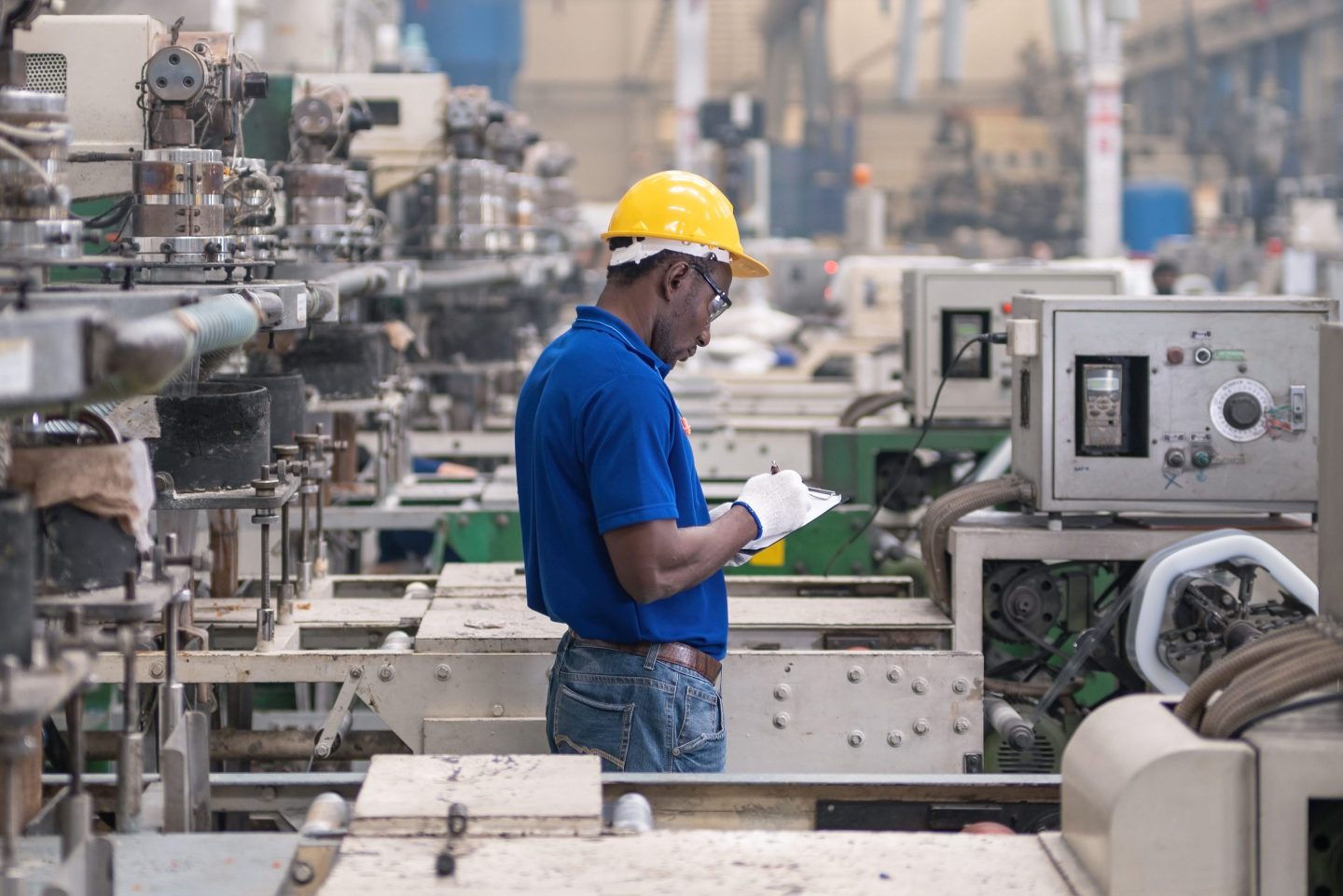
Nearly 4 million new manufacturing jobs are coming to America as boomers retire—but it's the one trade job Gen Z doesn't want
By Emma BurleighDecember 4, 2025
13 hours ago
placeholder alt text
Success
Nvidia CEO Jensen Huang admits he works 7 days a week, including holidays, in a constant 'state of anxiety' out of fear of going bankrupt
By Jessica CoacciDecember 4, 2025
12 hours ago
placeholder alt text
Health
Bill Gates decries ‘significant reversal in child deaths’ as nearly 5 million kids will die before they turn 5 this year
By Nick LichtenbergDecember 4, 2025
24 hours ago
Rankings
  • 100 Best Companies
  • Fortune 500
  • Global 500
  • Fortune 500 Europe
  • Most Powerful Women
  • Future 50
  • World’s Most Admired Companies
  • See All Rankings
Sections
  • Finance
  • Leadership
  • Success
  • Tech
  • Asia
  • Europe
  • Environment
  • Fortune Crypto
  • Health
  • Retail
  • Lifestyle
  • Politics
  • Newsletters
  • Magazine
  • Features
  • Commentary
  • Mpw
  • CEO Initiative
  • Conferences
  • Personal Finance
  • Education
Customer Support
  • Frequently Asked Questions
  • Customer Service Portal
  • Privacy Policy
  • Terms Of Use
  • Single Issues For Purchase
  • International Print
Commercial Services
  • Advertising
  • Fortune Brand Studio
  • Fortune Analytics
  • Fortune Conferences
  • Business Development
About Us
  • About Us
  • Editorial Calendar
  • Press Center
  • Work At Fortune
  • Diversity And Inclusion
  • Terms And Conditions
  • Site Map

© 2025 Fortune Media IP Limited. All Rights Reserved. Use of this site constitutes acceptance of our Terms of Use and Privacy Policy | CA Notice at Collection and Privacy Notice | Do Not Sell/Share My Personal Information
FORTUNE is a trademark of Fortune Media IP Limited, registered in the U.S. and other countries. FORTUNE may receive compensation for some links to products and services on this website. Offers may be subject to change without notice.