• Home
  • Latest
  • Fortune 500
  • Finance
  • Tech
  • Leadership
  • Lifestyle
  • Rankings
  • Multimedia
Fortune Secondary Logo
Rankings
  • 100 Best Companies
  • Fortune 500
  • Global 500
  • Fortune 500 Europe
  • Most Powerful Women
  • Future 50
  • World’s Most Admired Companies
  • See All Rankings
Sections
  • Finance
  • Fortune Crypto
  • Features
  • Leadership
  • Health
  • Commentary
  • Success
  • Retail
  • Mpw
  • Tech
  • Lifestyle
  • CEO Initiative
  • Asia
  • Politics
  • Conferences
  • Europe
  • Newsletters
  • Personal Finance
  • Environment
  • Magazine
  • Education
Customer Support
  • Frequently Asked Questions
  • Customer Service Portal
  • Privacy Policy
  • Terms Of Use
  • Single Issues For Purchase
  • International Print
Commercial Services
  • Advertising
  • Fortune Brand Studio
  • Fortune Analytics
  • Fortune Conferences
  • Business Development
  • Group Subscriptions
About Us
  • About Us
  • Editorial Calendar
  • Press Center
  • Work At Fortune
  • Diversity And Inclusion
  • Terms And Conditions
  • Site Map
Fortune Secondary Logo
  • About Us
  • Editorial Calendar
  • Press Center
  • Work At Fortune
  • Diversity And Inclusion
  • Terms And Conditions
  • Site Map
  • Facebook icon
  • Twitter icon
  • LinkedIn icon
  • Instagram icon
  • Pinterest icon

© 2026 Fortune Media IP Limited. All Rights Reserved. Use of this site constitutes acceptance of our Terms of Use and Privacy Policy | CA Notice at Collection and Privacy Notice | Do Not Sell/Share My Personal Information
FORTUNE is a trademark of Fortune Media IP Limited, registered in the U.S. and other countries. FORTUNE may receive compensation for some links to products and services on this website. Offers may be subject to change without notice.

Right Arrow Button IconLeft Arrow Button IconHome
Right Arrow Button IconLeft Arrow Button IconPress Releases
Right Arrow Button IconMetrica Software Calls for a Shift From Engineered to Delegated BI Integrations
Metrica Software Calls for a Shift From Engineered to Delegated BI Integrations
MIAMI, FL
January 22, 2026, 1:39 PM ET
Source: Metrica Software (EZ Newswire)

MIAMI, FL, January 22, 2026 (EZ Newswire) -- Metrica Software, a provider of enterprise Power BI connectors for SAP and Salesforce, is challenging the long-standing assumption that complex analytics integrations require custom-built pipelines.

The company’s position is direct: pre-built connectors that analytics teams can configure themselves deliver better long-term outcomes than custom-engineered integration pipelines, even for Fortune 500 deployments with complex security and compliance requirements.

“Most organizations still follow the same path — hire consultants, build custom pipelines, and carry the maintenance burden for years,” said Anton Storozhuk, CEO and founder of Metrica Software. “We’re showing that analytics teams can deploy and operate enterprise-grade integrations themselves, without writing or maintaining custom code.”

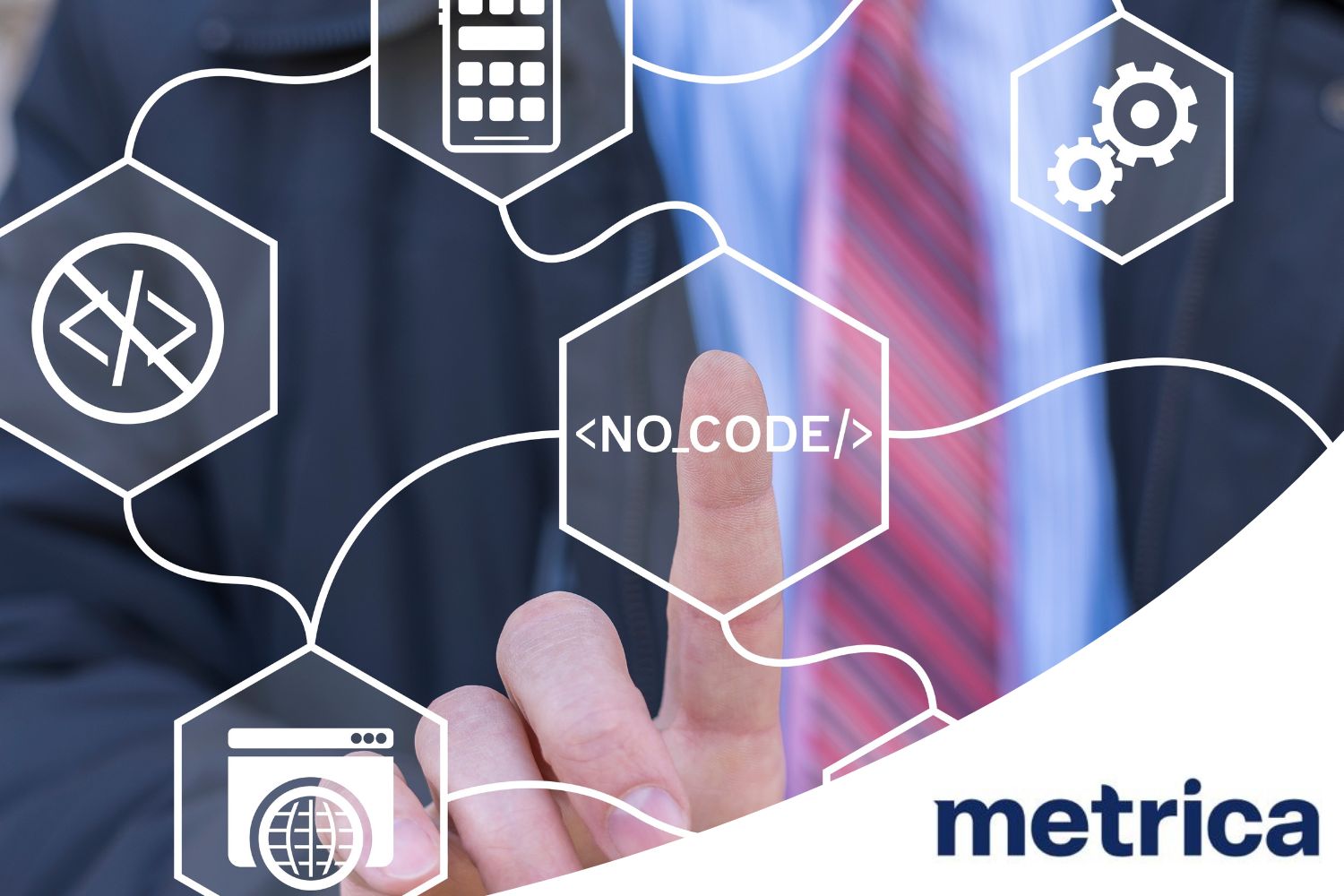
What No-Code Connectors Change

Metrica's Power BI Connector for SAP and Power BI Connector for Salesforce are pre-built integration tools that analytics teams install and configure directly, no custom development required. They handle authentication, data extraction, transformation, and loading into Power BI while meeting enterprise requirements for encryption, access control, and audit logging.

The key difference from custom integration lies in how change is handled. When data models evolve or new data sources are required, teams adjust configuration instead of requesting code changes from specialized integration resources. Operational ownership stays with the analytics team rather than external consultants or a small group of developers.

Before founding Metrica, Storozhuk built Alpha Serve using the same architectural principles — configurable connectors for platforms such as Jira and ServiceNow that proved viable at enterprise scale. At Metrica, the approach was extended to SAP and Salesforce, where data volumes, security constraints, and governance requirements are significantly higher.

Announce your business updates on premium publications.
Find out how

Strategic Thesis Behind the Technical Approach

Storozhuk’s focus on configurability was shaped early in his career, drawing on his background in business strategy from MIT Sloan School of Management. The core insight was that custom integration often fails not technically, but organizationally.

When integration logic lives in custom code, modification depends on the original authors or external specialists. Over time, this creates cost inflation, operational risk, and long-term dependency that rarely appears in initial project estimates.

“No-code connectors reverse that dynamic,” Storozhuk said. “When integration logic is configuration-based, organizations retain control. The same teams that deploy the integration can evolve it over time.”

Concrete Comparison: Connector vs Custom Pipeline

A typical custom SAP-to-Power BI integration project involves:

  • 8 to 12 weeks initial development with specialized integration consultants
  • Custom code for extraction, transformation, and loading specific to the organization's SAP schema
  • Ongoing maintenance contract with the implementation partner or internal specialized team
  • Code modifications required for any schema changes, new data sources, or modified business logic
  • Knowledge concentrated in whoever built the system; organizational risk when those people leave

The same integration using Metrica's connector:

  • Deployment typically takes 1 to 3 days and is handled by the analytics team
  • Analytics teams configure which SAP tables, objects, fields, filters, and refresh schedules are exported to Power BI using the connector’s built-in configuration
  • Ongoing adjustments to reporting scope or datasets are handled internally, without reliance on external consultants or specialized integration teams
  • Changes in SAP schemas, data models, or platform versions that affect data access are handled through ongoing connector updates
  • Knowledge distributed across analytics team; resilient to team changes

“The real cost difference shows up after go-live,” Storozhuk said. “Custom integrations get more expensive to change over time. Connector-based integrations don’t.”

What Makes a Connector "Enterprise-Grade"

According to Metrica, enterprise-grade integration must deliver three characteristics:

  • Operational resilience: The system continues functioning when team members change, implementation partners pivot, or business priorities shift. Custom integration typically fails this test; it remains operational only as long as the original implementers are available.
  • Governance and auditability: Integration processes can be documented, audited, and certified without reverse-engineering custom code. Standard approaches pass this test by design; custom implementations pass only if documentation discipline was maintained throughout.
  • Predictable scaling: Adding new data sources or reports doesn't require re-architecting the integration layer. Custom systems scale only if the original architecture anticipated future needs — a requirement that's difficult to specify during initial procurement.

Industry Implications

Beyond BI integration specifically, Metrica's approach demonstrates broader patterns in enterprise software. Many categories assumed to require custom development can be served by well-architected configurable tools if organizations evaluate them based on lifecycle outcomes rather than initial procurement comfort.

The company's connectors for SAP and Salesforce — platforms serving millions of enterprise users globally — serve as existence proofs. If no-code connectors can handle the most complex, most heavily regulated enterprise systems, the technical barriers to connector-based integration have been solved. The remaining barriers are organizational and procurement-related.

"We're not arguing that custom integration should never exist," Storozhuk said. "We're arguing that it shouldn't be the default for standard integration needs. Connecting SAP to Power BI is a solved problem. Organizations should stop solving it from scratch."

About Metrica Software

Metrica Software provides enterprise Power BI connectors for SAP and Salesforce, enabling organizations to deploy and operate analytics integrations without custom development or specialized integration teams. The connectors are designed to meet enterprise requirements for security, scale, and governance while remaining manageable by analytics teams. Founded by Anton Storozhuk, Metrica combines deep technical expertise with a strategic focus on long-term operational ownership in enterprise analytics. The company shares analysis and perspectives on enterprise analytics and data connectivity through its blog. For more information, visit metricasoftware.com.

Media Contact

Anton Storozhuk
Founder and CEO, Metrica Software Inc.
a.storozhuk@metricasoftware.com

###

SOURCE: Metrica Software

For questions regarding this release or its content, contact hello@eznewswire.com for immediate assistance.

Share this article