
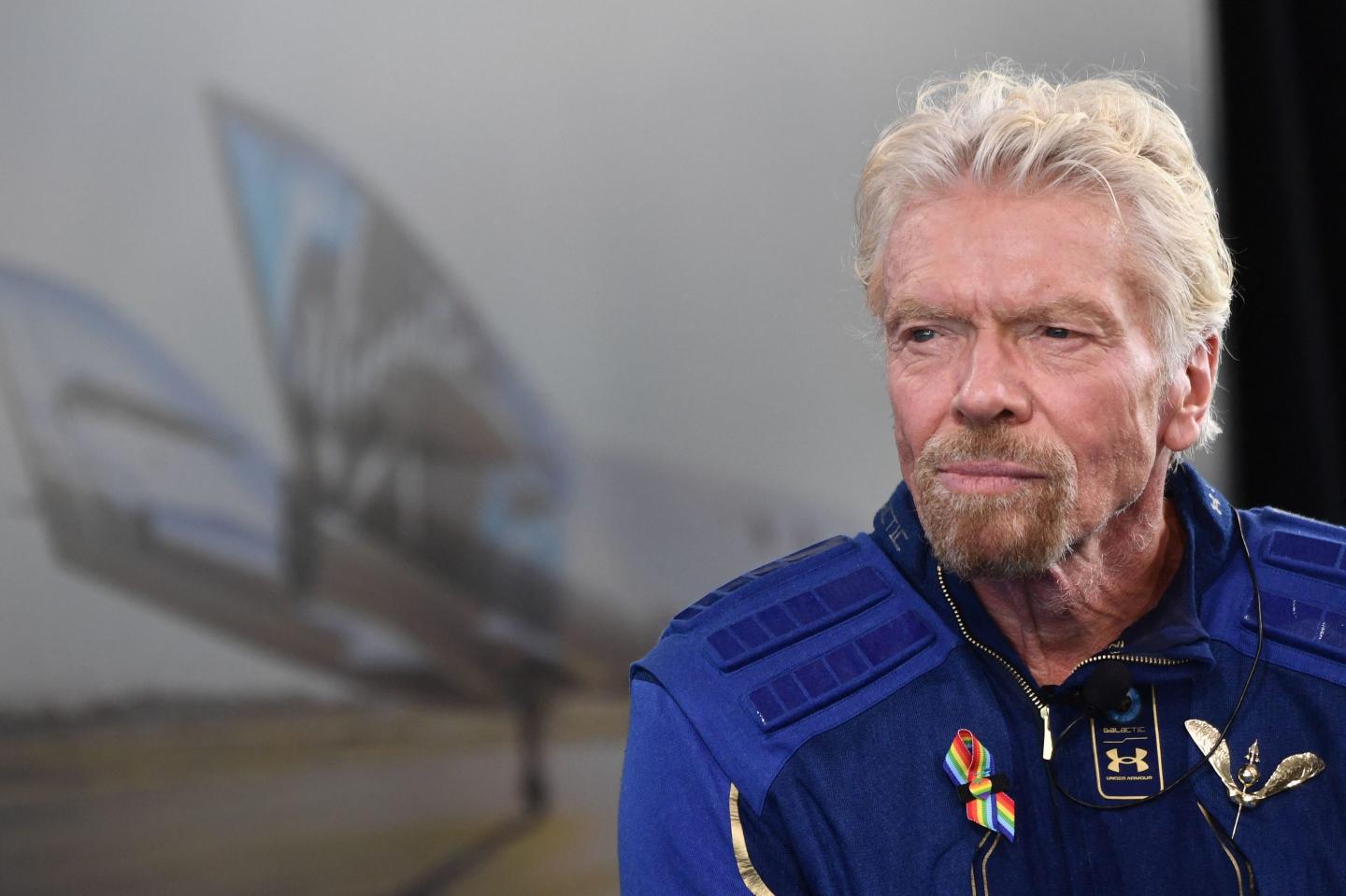
Billionaire entrepreneur Richard Branson’s once-promising satellite startup, Virgin Orbit, is no more.
On Tuesday, the company that aimed to compete with Elon Musk’s SpaceX said it would seek protection from creditors by filing for bankruptcy.
Virgin Orbit will not attempt to restructure itself in preparation to emerge later with a leaner, healthier balance sheet.
Instead, management has elected to sell the business outright, often a sign of deeper fundamental problems that a reorganization under Chapter 11 cannot solve.
“We believe that the cutting-edge launch technology that this team has created will have wide appeal to buyers as we continue in the process to sell the company,” said CEO Dan Hart in a statement that announced the end of its six-year existence.
For greater social and political acceptance, satellites are usually launched from remote areas on the ground to minimize harmful noise pollution.
Ideally, these spots are found as close to the equator as possible, since this maximizes the slingshot-like boost provided by the earth’s own rotational speed.
As a result, launches are often limited to a few suitable locations like Cape Canaveral in Florida, the Baikonur Cosmodrome in Kazakhstan used by Russia’s Roscomos, or Europe’s Spaceport in French Guiana.
Musk’s SpaceX had hoped to eventually launch Starlink birds from two converted floating oil rigs it purchased but abandoned the plans earlier this year.
Virgin Orbit’s unique approach
Under the slogan “any time, any place, any orbit”, Virgin Orbit differentiated itself from SpaceX and other peers through a unique idea that would address inherent bottlenecks in the system.
It would first transport the payload to an altitude of 35,000 feet via an old Virgin Atlantic jumbo jet dubbed Cosmic Girl before later deploying the rocket over the ocean.
In its brief history, Virgin Orbit successfully launched 33 satellites into orbit using this approach. By comparison, Musk’s SpaceX has already conducted more than 200 missions.
Spun off from Branson’s space tourism startup Virgin Galactic in 2017, Virgin Orbit attempted to tap into the speculative frenzy around high-growth tech startups fueled by the Federal Reserve’s virtual money printing bonanza.
It went public in December 2021 via a merger with a stock-exchange-listed special purpose acquisition company (SPAC), a less onerous path to investor capital than a traditional IPO.
Virgin Orbit attempted to sell investors on the idea that the global space market would more than double in size from $400 billion to over $1 trillion by 2040.
Thanks to Branson’s British nationality, a U.K. government desperate to sell itself as a high-tech hub after leaving the European Union teamed up with Virgin Orbit to launch the first orbital satellite from domestic soil.
Ian Annett, deputy CEO at the U.K. Space Agency, said the Start Me Up mission—named after a Rolling Stones song—would usher in a “new era for space,” one that would put the former EU member state “firmly on the map as Europe’s leading destination for commercial small satellite launch.”
The scene on the ground ahead of the January 9 launch was described by one U.K. newspaper as echoing a “festival atmosphere,” but the efforts were for naught: The Launcher One rocket failed due to a malfunction that followed its second-stage ignition.
Virgin Orbit said in February it would move forward with the next commercial launch from California, modifying the rocket to feature a more robust fuel filter, but the funds dried up a month later as credit conditions tightened following the collapse of Silicon Valley Bank.
The company said it would now focus on a “swift conclusion” to its sale process to clarify its future to the company’s customers, vendors and remaining employees.
“At this stage, we believe that the Chapter 11 process represents the best path forward to identify and finalize an efficient and value-maximizing sale,” said CEO Hart.
Branson’s Virgin Investments Limited agreed to provide $31.6 million in debtor-in-possession financing to maintain operations during bankruptcy until the sale is completed.
The bad news for the billionaire didn’t stop there, however.
His Virgin Media broadband service in the U.K. went dark nationwide on Tuesday, leaving tens of thousands of households without access to the internet for hours.
This corrects an earlier version of the text that in four separate instances mistakenly referred to Virgin Galactic, rather than Virgin Orbit.