American Residential Services experts Brian Teeters, director of sales training, and Steve Wade, senior director of operations and procurement, explain the difference between a connected thermostat and a heating and cooling system that truly communicates.
Home automation has moved from novelty to expectation, and heating, ventilation, and air conditioning (HVAC) is the latest frontier. As U.S. homes electrify—electricity is now the main heating fuel in roughly 43% of U.S. homes, close behind natural gas at 46%, according to the U.S. Energy Information Administration—climate systems are being asked to do far more than hold a temperature. But as the technology races ahead, the gap between a connected thermostat and a genuinely intelligent system is wider than many homeowners realize.
American Residential Services (ARS), one of the country’s leading home services providers, installs and services heating and cooling systems in thousands of homes each year, giving its technicians a ground-level view of which smart features deliver and which get ignored.
Fortune Brand Studio sat down with Steve Wade, senior director of operations and procurement, ARS, and Brian Teeters, director of sales training, ARS, about what today’s connected systems do and where the technology still has room to grow.
What are homeowners trying to solve when they ask for smart home integration?
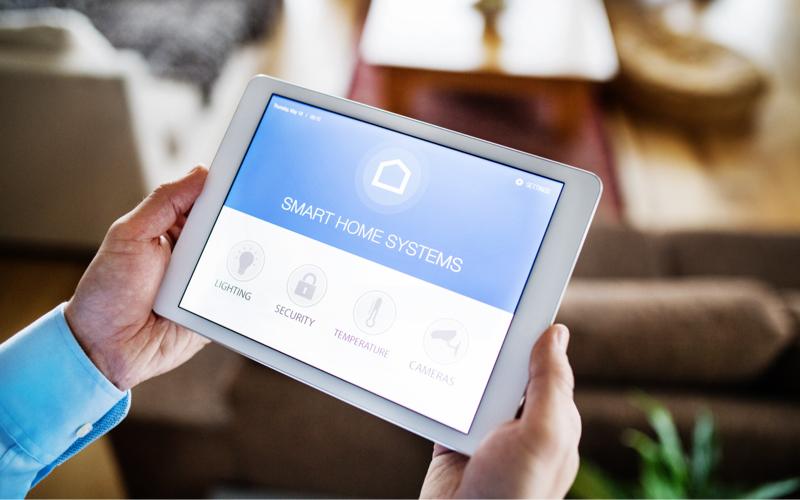
Brian Teeters: Homeowners are looking for convenience and comfort. Smart home integration allows them to control their HVAC systems from anywhere, automate temperature adjustments based on their schedules, monitor indoor air quality, and receive reminders for maintenance—all from their smartphones.
Where do interoperability problems between platforms still frustrate buyers most?
BT: Homeowners want everything to work together seamlessly. They don’t want multiple apps or disconnected systems—they want one place where they can manage their thermostats, cameras, indoor air quality, and other smart home devices. The easier those technologies integrate, the better the overall experience.
Which smart features create real day-to-day value, and which go unused?
BT: The features homeowners use most are remote thermostat control, automated scheduling, and voice integration through platforms such as Alexa or Google Home. Where technology can become unnecessary is when it adds complexity without improving convenience. People value having everything accessible in one app more than adding features they’ll rarely use.
What do most homeowners misunderstand about what a “connected” system requires?
Steve Wade: Many homeowners don’t realize there’s a difference between a connected thermostat and a communicating HVAC system. A connected thermostat lets you monitor and adjust temperatures remotely, while a communicating system allows the indoor and outdoor equipment to exchange operating data, improve system setup, and identify performance issues throughout the life of the equipment.
Where does the current technology still fall short?
SW: Smart HVAC systems do an excellent job giving homeowners visibility into their homes’ temperature, allowing them to monitor, adjust, and receive alerts from virtually anywhere. Where the technology still falls short is identifying operational issues before they become a no-heat or no-cooling event. It excels at convenience but is still evolving when it comes to predictive diagnostics.
What’s the most common post-installation complaint that turns into a service call?
SW: The biggest challenge isn’t the thermostat—it’s internet connectivity. Most service calls involve reconnecting a thermostat to a home’s Wi-Fi network or helping homeowners locate router information and passwords needed during setup.
How has the push toward grid-responsive and solar-integrated systems changed what your teams have to manage operationally?
SW: Solar integration remains an emerging space for HVAC. While solar technology can power an entire home, there are still very few HVAC systems designed specifically to operate independently from solar generation. The industry continues to evolve, but widespread operational changes haven’t occurred yet.
How do you expect expectations around home automation and climate control to evolve in the next few years?
BT: The next evolution will be systems that become more proactive instead of reactive. Homeowners will expect technology to identify developing issues before a breakdown occurs, detect water leaks or airflow problems, monitor indoor air quality, and notify them before comfort is affected.
To learn more, visit http://www.ars.com