
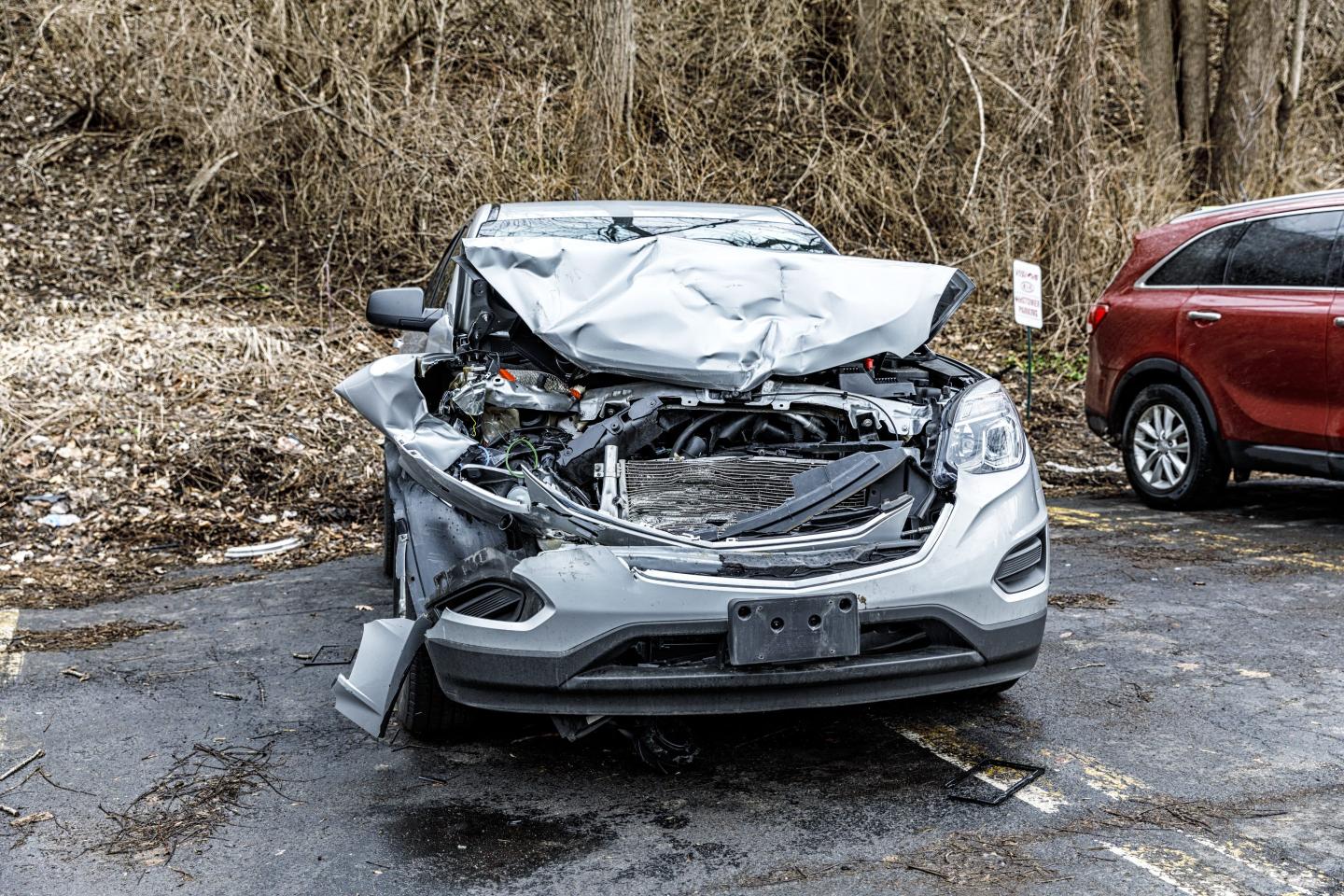
You’ve almost certainly heard the term gap insurance thrown about when researching a potential car loan or lease. It stands for “guaranteed asset protection,” and it covers the difference between the actual cash value (ACV) of your car and the amount you still owe your lender or lessor after your car is totaled or stolen. Sometimes it’s sold as an extra coverage option on your auto insurance policy, and sometimes it takes the form of a debt cancellation add-on from your dealer or lender.
Not everyone needs gap insurance, but there are plenty of situations that make it a good idea. Here’s what you need to know.
ADVERTISEMENT
What is gap insurance?
Gap insurance is an optional type of car insurance that can help you finish paying off your auto loan or lease after your car is declared a total loss. If your car is stolen or totaled in an accident, your comprehensive or collision insurance generally pays out the vehicle’s actual cash value, which takes into account how much it has depreciated over time.
However, it’s possible for your car’s ACV to dip below the amount you still owe to your lender or lessor, resulting in a deficiency balance. If this happens, guaranteed asset protection can fill in the coverage gap by paying out the difference between your car’s ACV and your remaining loan or lease balance.
Many insurance companies offer gap coverage as a car insurance endorsement. Meanwhile, other financial institutions—including dealerships, banks, and credit unions—may offer a similar product called a gap waiver. With a gap waiver, some or all of your outstanding debt is canceled if your car is totaled and its ACV isn’t enough to pay off the loan.
How does gap insurance work?
Let’s say you purchase a car for $40,000, but its ACV falls to $32,000 within a year. In the event of a car accident that damages your vehicle beyond repair, your collision insurance should pay out $32,000—minus your deductible. If you still owed $35,000 on your car loan at the time of the crash, your gap insurance policy should pay out $3,000, meaning the combined settlements from your collision and gap insurance would be enough to fully pay off the loan.
Although some gap car insurance policies offer a deductible waiver benefit, you’ll usually still have to pay your comprehensive or collision deductible on covered claims. Using the above example, suppose you have a $1,000 collision insurance deductible. In this case, your insurer would pay out $31,000 after your car is totaled, and your gap insurance payout generally wouldn’t increase to cover the deductible amount.
Since gap auto insurance works alongside collision and comprehensive coverage, you may not qualify for gap coverage unless you already have these two physical damage insurance coverage types. Still, gap insurance isn’t required by law in any state. In fact, some states—such as Texas—prohibit lenders from requiring gap coverage as a condition for obtaining a loan.
What does gap insurance cover?
Gap insurance helps pay the remaining balance on your auto loan or lease if your vehicle is declared a total loss and your comprehensive or collision insurance settlement isn’t enough to cover what you still owe. Here are some examples of common situations.
Collisions
Gap insurance may take effect after a car accident that totals your vehicle. While the term “totaled” often refers to a car that is destroyed in a serious accident, your vehicle may also be considered totaled after a comparatively minor collision if the cost of repairs is close to or higher than what the car is worth.
Because gap insurance only applies after a total loss, it won’t help pay for repairs if your vehicle can be repaired economically after an accident.
Theft
You may be able to file a claim on your gap insurance after your car is stolen—but only if the police can’t recover the vehicle or it incurs enough damage during the theft to be considered totaled. If the car is later recovered after you receive a comprehensive insurance payout, your insurer may take possession of it. Regardless, it should still be considered a total loss for you, and your gap insurance should cover your remaining loan or lease balance.
Fire
Comprehensive insurance covers sudden fire-related damage to your vehicle, so your gap insurance can help you pay off your loan or lease if your car is totaled by a fire. Of course, auto insurance doesn’t cover intentional or fraudulent losses, so don’t expect to collect an insurance payout if you purposefully set your own car on fire.
Natural disasters
If a covered natural disaster totals your car, you can turn to your gap insurance policy to help cover the amount you still owe your lessor or lender. Here are examples of natural disasters that comprehensive insurance typically covers:
- Floods
- Earthquakes
- Hurricanes, tornadoes, and other windstorms
- Wind-blown tree branches or ice shards
- Wildfires
- Volcanic eruptions
What doesn’t gap insurance cover?
Car gap insurance generally doesn’t provide coverage for the following expenses:
- Physical damage insurance deductibles
- Past-due loan payments
- Extended warranty premiums
- Debt carried over from a previous auto loan
- Car repairs
- Medical treatments after an accident
- A replacement vehicle or a down payment on a new car
Who needs gap insurance?
Again, gap insurance may not provide value for everyone. You’re likely to benefit from gap insurance protection if any of the following describes you.
New car buyers
Gap insurance is often most valuable during the first few years of vehicle ownership—when the difference between its ACV and your remaining loan balance is often the highest. On average, cars depreciate by more than 10% within a month of being purchased and by more than 30% within five years. As a result, the drops in your car’s value can easily outpace your loan payments during the first few years of the loan.
Leasing drivers
In most cases, your lessor will require you to maintain gap insurance coverage if you want to take out an auto lease. For this reason, purchasing gap insurance helps you remain compliant with the terms of your lease agreement while also ensuring you won’t face burdensome ongoing payments if your car is totaled before the lease expires.
Drivers with low down payments
The smaller your initial down payment, the bigger your loan generally is—and the greater the chances are that your loan balance will significantly exceed the ACV of your car early on in the life of the loan. As a result, gap insurance is often recommended for drivers who make a down payment worth less than 20% of the value of their vehicle.
Drivers with long-term financing contracts
Even if the total value of your loan isn’t exceptionally high, gap insurance may be worthwhile if you opt for an extended financing period, since there is more time for the loan to accrue interest and for your car’s actual cash value to drop below the loan balance. Consider obtaining auto gap insurance coverage if your loan period lasts at least 60 months.
Drivers with high-depreciation vehicles
Gap insurance can be particularly helpful after you buy an expensive new car because these vehicles often lose value more quickly during the first several years of ownership, potentially leading to bigger gaps between your car’s ACV and your loan balance. Coverage may also be necessary if you purchase a vehicle that depreciates more quickly than the average car, such as an electric vehicle or a luxury model.
Drivers rolling over old loan debt
Auto gap coverage is recommended if you rolled over debt from a previous loan into your current auto loan, raising the overall amount of money you must repay. Even though gap insurance doesn’t cover this preexisting debt, it can still prevent you from having to pay off the majority of a large loan out of pocket if your car is totaled or stolen.
How much does gap insurance cost?
You can typically add gap insurance to your auto insurance policy for less than $100 per year, but it’s often much more expensive if you buy standalone coverage from an institution other than an insurance carrier. For example, gap waivers can cost up to 4% of the total value of your loan in California.
Gap insurance vs. full coverage
Full coverage is an informal term that generally refers to car insurance policies that combine physical damage insurance with coverage types that are required by law, such as liability insurance, personal injury protection, or uninsured motorist coverage. Though full coverage may not automatically include gap insurance, it typically includes comprehensive and collision coverage, which work well with gap insurance.
Gap insurance vs. new car replacement coverage
While gap insurance can keep you from having to make loan payments for both a totaled car and its replacement at the same time, it doesn’t actually cover the cost of purchasing a new vehicle. This is instead covered by new car replacement insurance, which doesn’t factor in depreciation and pays out the cost to replace your vehicle with a new car of the same make and model after a total loss.
Gap insurance at a glance
- Gap insurance is a type of car insurance that covers the difference between your remaining loan balance and your car’s actual cash value after your car is stolen or totaled.
- You may be able to obtain guaranteed asset protection through a gap insurance add-on to your car insurance policy or a gap waiver offered by a lender or dealership that waives your remaining debt after a total loss.
- In general, gap insurance steps in if you experience a total loss covered by your comprehensive or collision insurance, such as a car accident, natural disaster, or theft.
- Gap insurance typically excludes coverage for your collision or comprehensive insurance deductible, late payment fees, debt rolled over from a prior loan, and costs associated with extended warranties
- Guaranteed asset protection is recommended for drivers with expensive new cars, auto leases, low down payments, long loan periods, preexisting loan debt, or vehicles that lose value quickly.
- On average, it costs around $100 annually to add gap coverage to your auto insurance policy. However, a gap waiver may be more expensive.
- The main function of gap insurance is to help you pay off your current loan or lease before taking out another one for a new car whenever your vehicle is totaled. To avoid having to take out a new loan or lease, you’ll need new car replacement insurance to cover the full replacement cost of your vehicle.
How to save on gap insurance
Automobile gap insurance is generally cheapest as a car insurance add-on, so the best way to save on coverage is to compare quotes from multiple car insurance providers. Remember, gap insurance isn’t necessary if your car is worth more than your outstanding loan balance, so be prepared to cancel your policy once you’ve paid off enough of your loan to avoid wasting money on coverage you no longer need.
ADVERTISEMENT

The takeaway
Gap insurance can minimize the cost of paying off your loan or lease in the event of a totaled vehicle. It’s not mandatory in most cases, but if you intend to lease or finance your automobile, the lender or dealer you’re working with may require it.
Frequently asked questions
Who doesn’t need gap insurance?
You generally don’t need gap insurance if you’ve paid for your car in full with cash, finished paying off your loan or lease, taken out a short-term loan (i.e., less than five years), or made a large down payment on your car.
How long should you keep gap insurance?
You should keep gap insurance only as long as the amount you owe on your loan or lease is well above your car’s actual cash value. On average, gap insurance ceases to be cost-effective after about two years.
Is gap insurance required by law?
No, automobile gap insurance isn’t required by law. However, some leasing companies and lenders may require it as part of a lease or financing agreement, depending on your state.
Does gap insurance cover deductible costs?
Gap insurance usually doesn’t cover comprehensive or collision deductible costs, but this may vary, depending on your gap insurance provider.
Can you receive a refund if you cancel your gap insurance early?
Yes, you may be able to get a refund if you cancel your gap insurance early, depending on how you obtain coverage and your state’s requirements. For example, California state law requires lenders and dealers to offer a full refund to anyone who cancels their gap waiver within 30 days—or a prorated refund to anyone who cancels their gap waiver at any time after 30 days.