
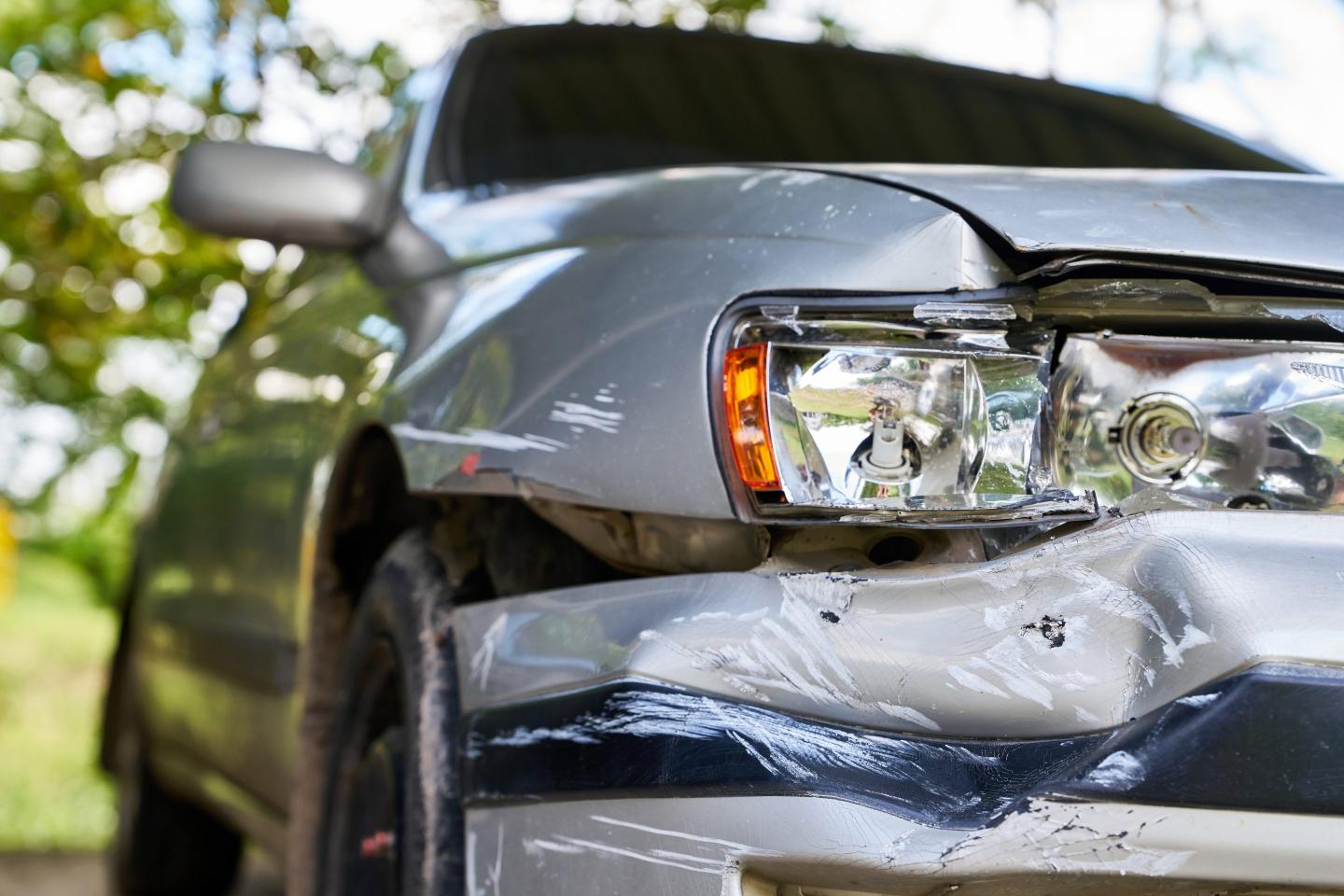
Comprehensive car insurance covers animal damage in most cases. For example, you’ll generally be covered if a deer runs into your vehicle or mice chew through electrical cables in your engine compartment. However, you may not be covered if you intentionally run over an animal or allow rodents into your vehicle through your own negligence.
Maintaining the right insurance coverage for animal strikes is crucial, since there are around 1.7 million animal collisions in the United States each year—with such collisions being especially common in the late fall and early winter. That said, your car insurance policy won’t provide any coverage for small claims where the cost of repairs doesn’t exceed your comprehensive deductible.
What types of animal damage does car insurance cover?
Comprehensive auto insurance covers most types of animal damage to your car—from a deer darting into your vehicle on a rural backroad to a raccoon sneaking into your car and tearing up the upholstery. This coverage applies even if your vehicle isn’t in motion at the time of the damaging incident, like if you park your car at a campground and a bear breaks one of your windows.
While comprehensive coverage is the only type of car insurance that directly applies to damage caused by animals, other coverage types may step in for certain kinds of animal-related claims. For example, your personal injury protection, medical payments, or collision coverage may take effect if you get into a car accident after swerving to avoid an animal.
ADVERTISEMENT
Is hitting an animal covered by comprehensive or collision insurance?
Although an animal strike is a type of collision, it’s covered by comprehensive insurance—which otherwise exclusively covers noncollision sources of damage to your car—rather than collision insurance. That said, you can still file a claim on your collision insurance policy to cover repairs to your vehicle if you crash it after trying to veer out of the way of an animal in the road.
Does liability insurance cover animal damage?
Liability insurance doesn’t cover damage to your car from animals. Nevertheless, it can protect you from having to cover someone else’s medical or repair costs out of pocket if you crash into them while trying to avoid hitting an animal. In addition, your liability insurance may cover veterinarian treatments if you recklessly strike someone’s pet—like if you run over your neighbor’s dog while driving well over the speed limit in your neighborhood.
Does car insurance cover rodent damage?
Comprehensive car insurance can cover sudden and unexpected internal damage caused by rodents that climb inside your vehicle. For example, you may be covered if rats chew through wires, hoses, or insulation, leading to electrical malfunctions or fluid leaks. Coverage may also apply if a squirrel starts a fire by building a nest right next to your car’s engine.
How does an animal damage car insurance claim work?
Anytime your car is damaged by an animal, you need to document the damage by taking pictures or videos and compile all the information you’ll need to submit to your insurance company to support your claim. Specifically, it’s important to record details proving that an animal was involved—such as blood left behind on your front bumper—in case the injured animal scurries away after you hit it.
Do you have to pay a deductible for animal damage claims?
For the most part, you’ll have to pay a deductible whenever you file a comprehensive insurance claim for damage inflicted on your car by an animal. The exception is if your auto insurance policy includes optional full glass coverage. In this case, a deductible won’t apply to glass-related claims, like if you get a cracked windshield after a bird flies in front of your car.
Will an animal damage claim raise your car insurance rate?
Filing a no-fault animal damage claim can lead to an increase in your car insurance premiums, though it’ll likely have a smaller impact on your rates than an at-fault car accident would.
When doesn’t car insurance cover animal damage?
Liability-only car insurance never covers animal damage to your vehicle, and even full coverage won’t step in if the cost of repairs falls below your deductible. Your policy also may not provide coverage if you intentionally run over an animal. Finally, your policy may exclude coverage for animal-related losses stemming from negligence or poor maintenance, such as rodents causing gradual damage because you fail to check under the hood in a timely fashion.
Car insurance and animal damage at a glance
- Overview: Car insurance covers animal damage to your car—but only if you choose to add comprehensive coverage to your policy.
- Coverage: Specific perils covered by comprehensive auto insurance coverage may include collisions with deer or other wild animals and rodents climbing into your car and damaging seats, wires, or other parts of the engine compartment.
- Car accidents: If you get into a car accident while trying not to hit an animal in the street, your car repairs may be covered by collision insurance. Meanwhile, your medical bills may be covered by medical payments coverage or personal injury protection.
- Liability: You can file a liability car insurance claim if you injure another driver or damage their car after swerving out of the way of an animal. Also, liability coverage may step in if you’re held liable for injuring someone’s pet in a collision.
- Cost considerations: Your car insurance premiums may go up after you file a claim for animal damage, depending on your insurance company. If your car insurance rates do rise, the increase will likely be smaller than it would be if you filed a claim for an at-fault car accident.
- Limitations: Comprehensive auto insurance may not cover intentional losses or damage tied to neglect or lack of maintenance, and you generally can’t file an animal damage claim unless the cost of repairs is higher than your deductible.
ADVERTISEMENT

How to reduce the risk of animal damage to your car
Animal damage is often unpredictable and sometimes unavoidable, but it’s still a good idea to take proactive steps to make your odds of filing an animal damage auto insurance claim as low as possible.
Wildlife collisions
Some ways to make it less likely that you’ll crash into a deer or another animal include:
- Limit your driving at times when deer are more active, such as dawn and dusk.
- Constantly scan your surroundings so you won’t be surprised by animals on the side of the road.
- Be especially careful on roads where animals are more likely to be, such as roads in rural areas and streets near water sources or wooded areas.
- Use your high beams when driving at night in high-risk areas.
- Drive slowly in areas with wildlife crossing signs.
- If you come across an animal in the road, press hard on the brakes instead of trying to veer out of its way.
Rodents
To protect your car from rodent-induced damage, consider taking safety steps like the following:
- Refrain from parking your car outside if possible.
- Use rodent repellent or other types of oils or devices that can deter wildlife from getting into your car.
- Throw away or otherwise remove food from your car—including pet food.
- Make a regular habit of checking under your car’s hood for signs of infestations.
Frequently asked questions
Is hitting a deer considered a comprehensive or collision claim?
Damage to your car from a deer collision is covered by comprehensive insurance, not collision insurance.
Does car insurance cover animal damage to a parked car?
Yes, comprehensive car insurance generally covers animal damage to a parked car. The exception is if your negligence contributes to the damage, like if you forget to roll your windows up before going to bed and enable animals to get into your car overnight.
Does hitting an animal raise your insurance rates?
Hitting an animal may cause your insurance rates to increase, but this varies based on your insurance company.
Should you file an insurance claim for minor animal damage?
No, you probably shouldn’t file a car insurance claim for minor animal damage unless the cost of repairs is well above your deductible—or, in the case of full glass claims, you don’t have to pay a deductible.