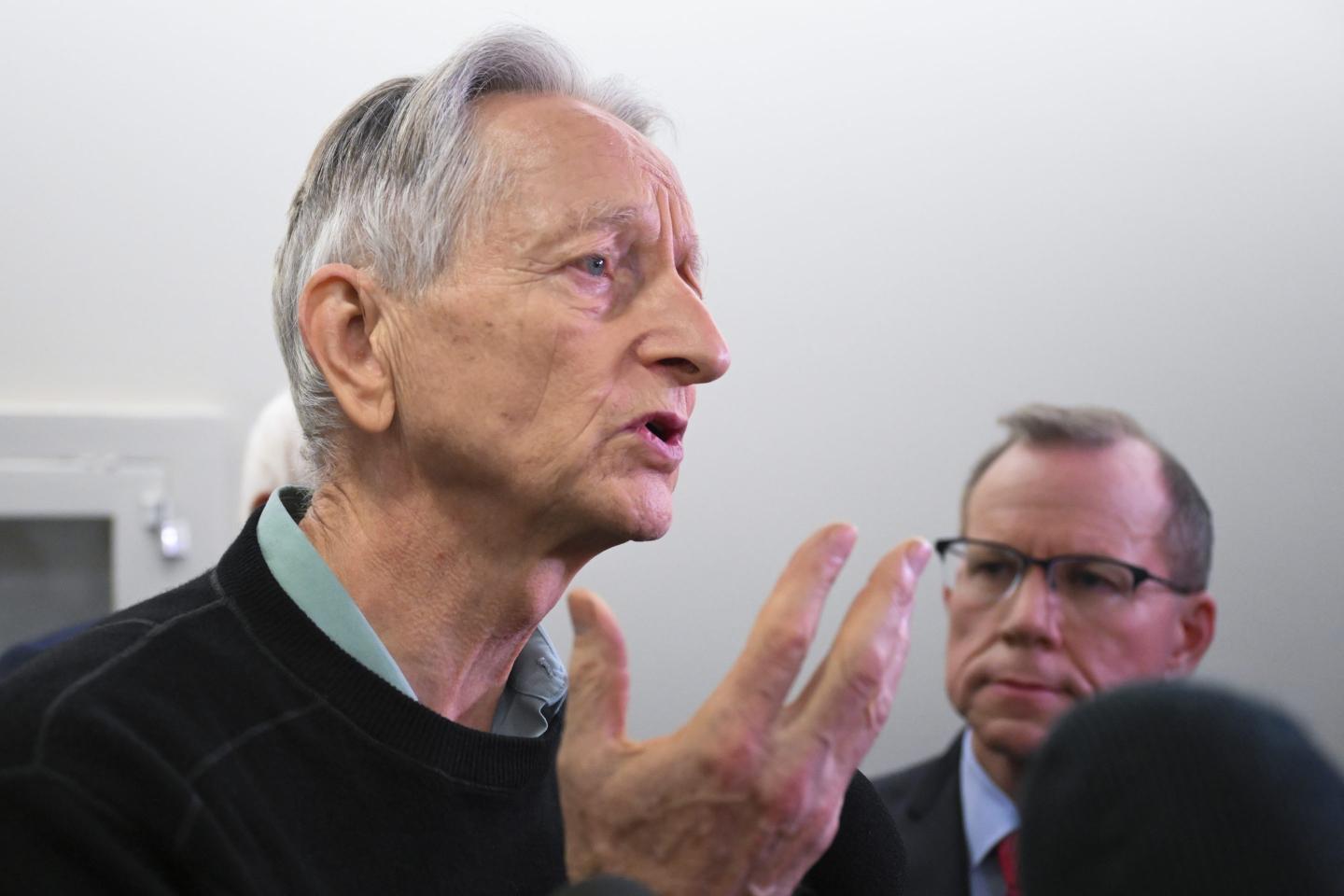
In 2016, Geoffrey Hinton, one of the pioneers of artificial intelligence, said people should “stop training radiologists now” because algorithms would soon read medical images better than doctors. A decade later, radiologists are still in demand, and health systems struggle to staff the imaging teams around them.
AI didn’t eliminate the occupation, but it may be eliminating the way in. If AI keeps absorbing the routine work beginners once learned on, preparation has to start well before the first job, and no single employer or school can build that path alone.
At the University of California, San Francisco (UCSF), one of the Bay Area’s largest healthcare employers, we’re focused on developing more radiologic technologists, the professionals who perform X-rays, CT scans and other imaging exams. The regional numbers show why. The area has about 2,920 radiologic technologists, roughly 600 fewer than would be expected for a labor market its size, according to Lightcast labor market data. Lightcast estimates that over the past year, the region saw roughly one hire for every four job postings. The longer-term supply is thin, too: about 600 of the region’s rad techs are 55 or older. That pressure is unlikely to ease. The Bay Area is aging rapidly, raising demand for healthcare at the same time patients increasingly expect timely access to sophisticated diagnostic services.
The pipeline should start in high school, when most students pick a direction without knowing what the work involves. Ridgeline, the Bay Area nonprofit one of us leads, started a program called HealthX, which brings 50 students from more than 15 high schools into five months of paid, hands-on work exploring patient care, medical imaging, and emergency services. A teenager who knows they want to help people usually can’t tell you what separates a medical assistant from an EMT from a radiologic technologist, or what skills each job requires. These students find out, before committing years and tuition dollars to a path.
So far, 95% of Ridgeline students complete the program, everyone earns a Basic Life Support certification, and 98% say they leave with a clearer sense of their career goals. Most are continuing their education, whether in high school, a certification program, community college or a four-year university.
Some continued with Ridgeline to become certified nursing assistants as they work towards their nursing degrees. One student, Bryan, is working as a lab research assistant at UC Berkeley while studying psychology and neuroscience. Another student Valeria went from a retail job to a behavior technician role while she’s working on her radiology technology coursework.
The next rungs sit inside UCSF. Employees who start in roles such as medical assisting or practice coordination can move into higher-skilled occupations. One example is the Radiologic Technologist Training and Leadership Academy, an 18-month diagnostic imaging program launching its first cohort this year that prepares candidates for American Registry of Radiologic Technologists (ARRT) certification. Eligible employees receive tuition waivers, salary subsidies, and flexible schedules so they can train without leaving their jobs. The program costs $15,000 per trainee, and UCSF covers the cost. Trainees pay nothing beyond meals and parking, and can draw on $2,000 to $4,000 in wraparound support, depending on need.
Now we are connecting those two ends. The goal is a single route, from HealthX through programs like the academy, that begins before a teenager has chosen a college or a major and leads toward a specific, in-demand occupation that employers are actively trying to fill. That matters for an occupation like radiologic technologist, which pays a regional median of about $142,000 without requiring a bachelor’s degree, yet most people never realize it’s an option until they’ve committed to another track.
The model itself is not mysterious. Start with real jobs and map backward. Introduce students to careers early. Pool talent across high schools so employers can participate at meaningful scale. Provide paid work-based learning. Connect education directly to credentials and jobs. And combine public, philanthropic and employer funding so the pathway can last.
The radiology prediction should make us humble about forecasting which jobs AI will erase. But it should also make us less complacent about something we can control: who gets prepared for the jobs technology leaves, changes, and creates. The regions that come out ahead will not simply be those with the best-ranked schools or the biggest employers. They’ll be the ones that build the strongest connections between them.
The opinions expressed in Fortune.com commentary pieces are solely the views of their authors and do not necessarily reflect the opinions and beliefs of Fortune.