
Good morning. While you weren’t looking, we added more eminent speakers to the fabulous program for our fast-approaching Fortune Brainstorm AI, Dec. 7–8 in San Francisco.
OpenAI president Greg Brockman is coming. Microsoft AI CEO Mustafa Suleyman is, too.
So’s Workday CEO Aneel Bhusri, Atlassian CEO Mike Cannon-Brookes, CapitalG general partner Jill Chase, Google search boss Nick Fox, Sequoia Capital co-steward Pat Grady, Kleiner Perkins’ Mamoon Hamid, Greylock partner Reid Hoffman, LearnVector founder Andrew Ng, Unconventional AI’s Naveen Rao, Moms First CEO Reshma Saujani, New Work Foundation’s Clara Shih, and Rubrik CEO Bipul Sinha.
All of them join Palo Alto Networks’ Nikesh Arora, World Labs’ Fei-Fei Li, Cerebras’ Andrew Feldman, Brex’s Pedro Franceschi, Fireworks AI’s Lin Qiao, Maven Clinic’s Kate Ryder, Twilio’s Khozema Shipchandler, Recursive’s Richard Socher, and so many more that we previously shared.
In the words of my six-year-old: It’s gonna be amazing. Register now to join us—space is limited and we will reach capacity soon. —Andrew Nusca
Thoughts? Suggestions? Hot tip? Drop me a line.
THE BIG STORY
Democrat wins force Big Tech to the negotiating table
The blue tidal wave that shook up U.S. politics Tuesday night ushered in several anti-data center governors in key states that could complicate Big Tech’s plans to build out the infrastructure powering AI.
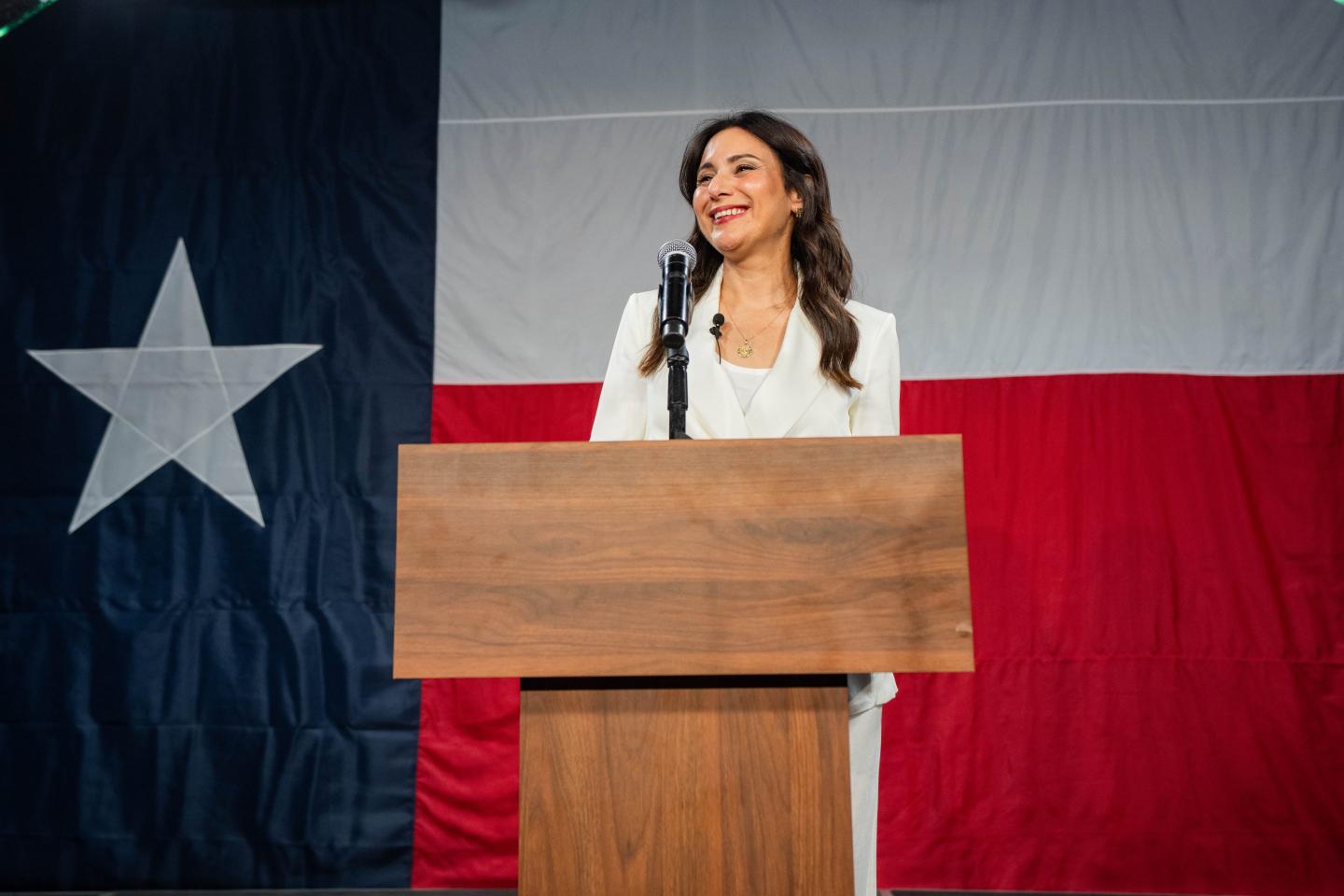
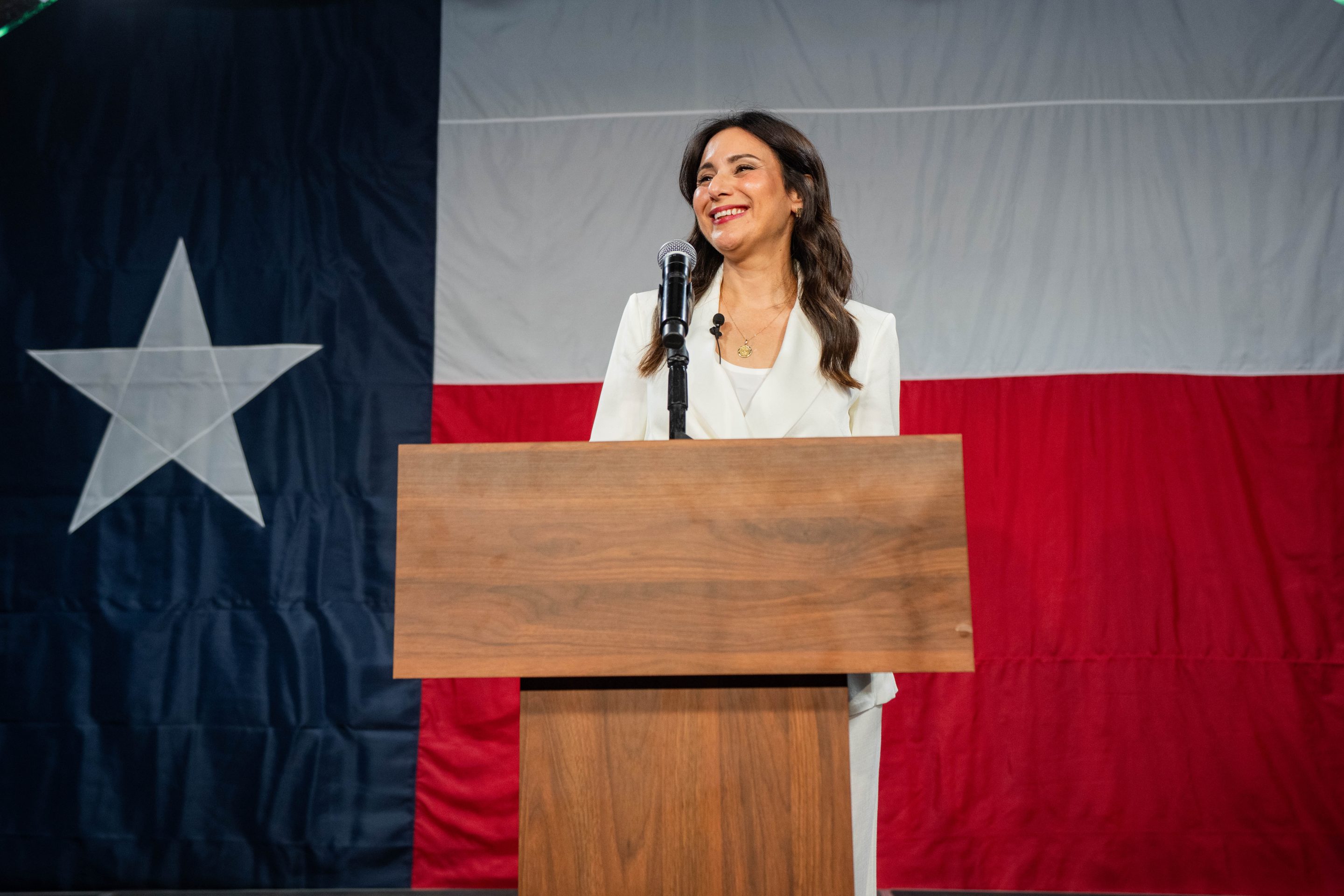
In particular, the elections of three governors who campaigned on restricting data center development—Gina Hinojosa in Texas, Amy Acton in Ohio, and Keisha Lance Bottoms in Georgia—could be consequential for the AI industry’s future expansion.
While members of soon-to-be Democrat-controlled Congress would need to pass legislation (and potentially overcome a veto by President Trump) to impose new restrictions on data centers, the incoming Democratic governors have more tools at their disposal, including the power to influence permitting, regulation, and tax incentives at the state level, although some actions may require the approval of state legislatures.
We have already seen Texas Gov. Greg Abbott wield the power of the governor’s office to take action on data centers in Texas, the state with more data center capacity operating and under construction than any other, according to Baxtel, and which is projected to hold nearly 30% of U.S. data center capacity by 2028, according to a Bloom Energy report.
Abbott initially supported data centers but adjusted his stance earlier this year amid widespread concerns over their resource use. He was defeated Tuesday by Governor-elect Hinojosa, who said his tough talk on data centers was “nothing more than an election-year stunt.” Hinojosa has promised to impose a moratorium on data center construction and eliminate subsidies and tax breaks awarded to major data center developers.
Governor-elect Amy Acton in Ohio has taken a similar position, calling for a conditional moratorium on new data centers unless developers agree to cover all their utility costs, use union labor, and meet environmental standards. In Georgia, Governor-elect Keisha Lance Bottoms promised a temporary statewide pause on new data center construction to assess the industry’s impact on electricity bills, communities, and the environment.
In a Wednesday note, longtime tech analyst Dan Ives said though tech companies may now face new obstacles to building out their data center capacity, the Democratic wins could actually be a positive for tech stocks as it will likely force hyperscalers, like Google, Amazon, and Microsoft, to slow down their capital expenditures, which are expected to hit at most $828 billion in 2026.
“The Street still is way underestimating the future revenue growth and profitability that AI will bring to the tech world (and other industries) over the next few years,” he wrote. “Now it will happen at a more measured pace which is likely a good thing in the eyes of many investors.” —Marco Quiroz-Gutierrez
THE BLIND BOX
“Musk’s financing is no longer the asset that it once was.”
THE RUNDOWN
—Crypto PACs spent $170 million on the midterms and came up almost empty-handed.
—Apple reportedly reduced the daily AI expense limit for some engineers from $300 to $200, with plans to cut more.
—Qualcomm signs a multiyear SpaceX deal to supply hardware and software for a U.S.-wide 5G network.
—How did the candidates backed by AI super PACs fare? Here’s a breakdown.
—Uber plans to scale its autonomous fleet to more than 2,000 vehicles in 2027.
—Under Trump administration pressure, Oracle reportedly scraps a deal to lease AI chips to Tencent.
—OpenAI acquires Pierre Computer, the developer tools startup, for an undisclosed amount.
—“Founder Mode” almost cost Airbnb CEO Brian Chesky his entire executive team, he says.
THE PARTING SHOT
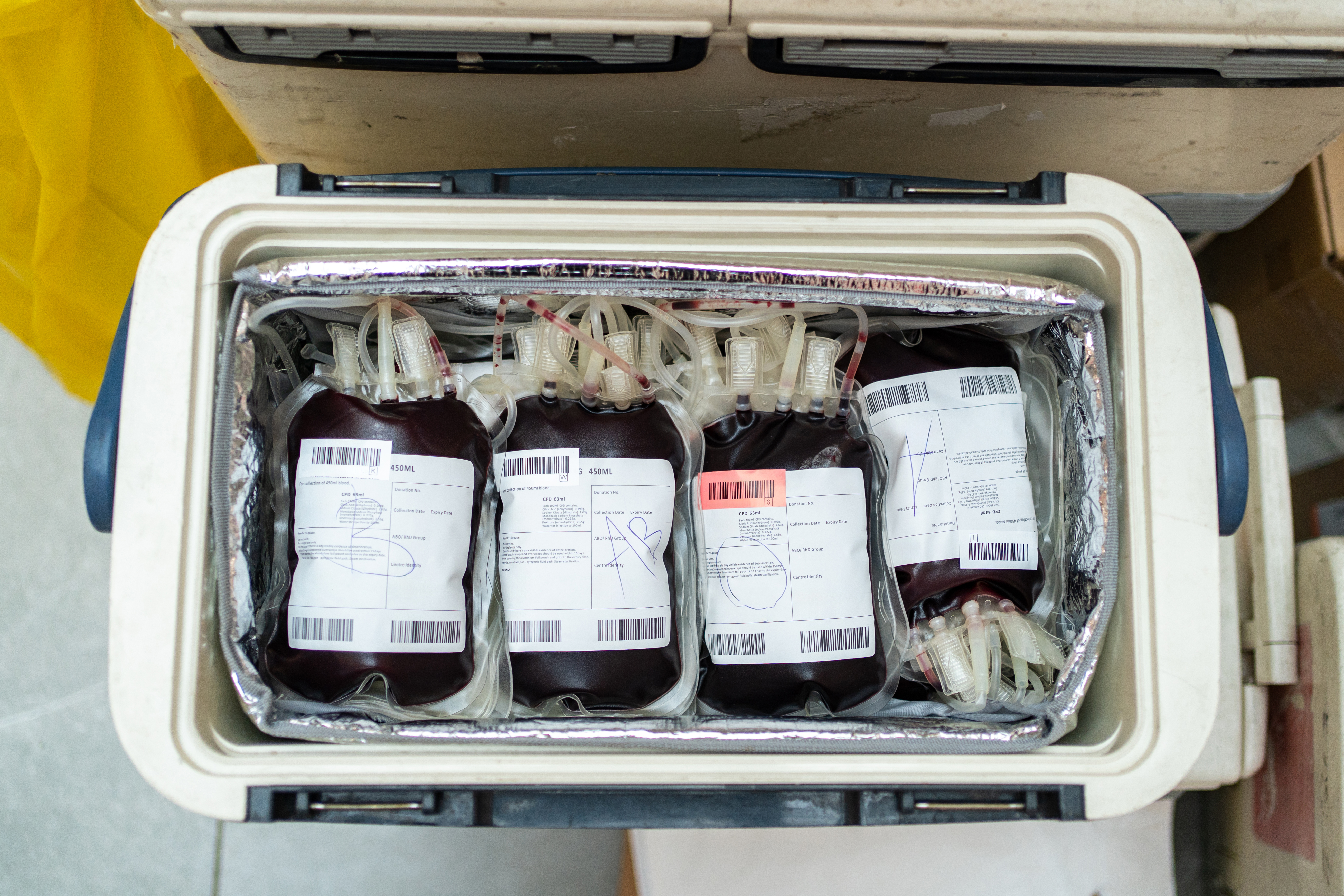
If you asked yourself, “What else could they go after?” in the wake of news about hackers toying with supermarket refrigeration equipment, now you have an answer: blood banks.
The French Blood Establishment—I swear it’s not a vampire coven—said Monday that cold storage units operated by a partner (but storing FBE blood) were compromised at three different sites.
As before, temperature and defrost thresholds were reset excessively high, threatening to damage vital supplies for health care facilities and biobanks. The good news: None were lost…this time.