
Good morning. I’m old enough to remember when LLMs were esoteric enough to be talked about like quantum computing.
Quantum came first (the first such computer arrived in ‘98; the first LLM came two decades later) but it’s been a far slower burn. The perpetual question: When will it be ready for prime time?
That’s finally starting to materialize. Which prompts new questions, among them: Does your company need a Chief Quantum Officer? Chief AI Officers were once a curio in the corporate world; now they’re de rigueur. Perhaps the CQO—god help us—is next.
Today’s tech news follows. Have a wonderful weekend. —Andrew Nusca
Thoughts? Suggestions? Hot tip? Drop me a line.
THE BIG STORY
Amazon shares sink as spending on AI overshadows growth in cloud unit
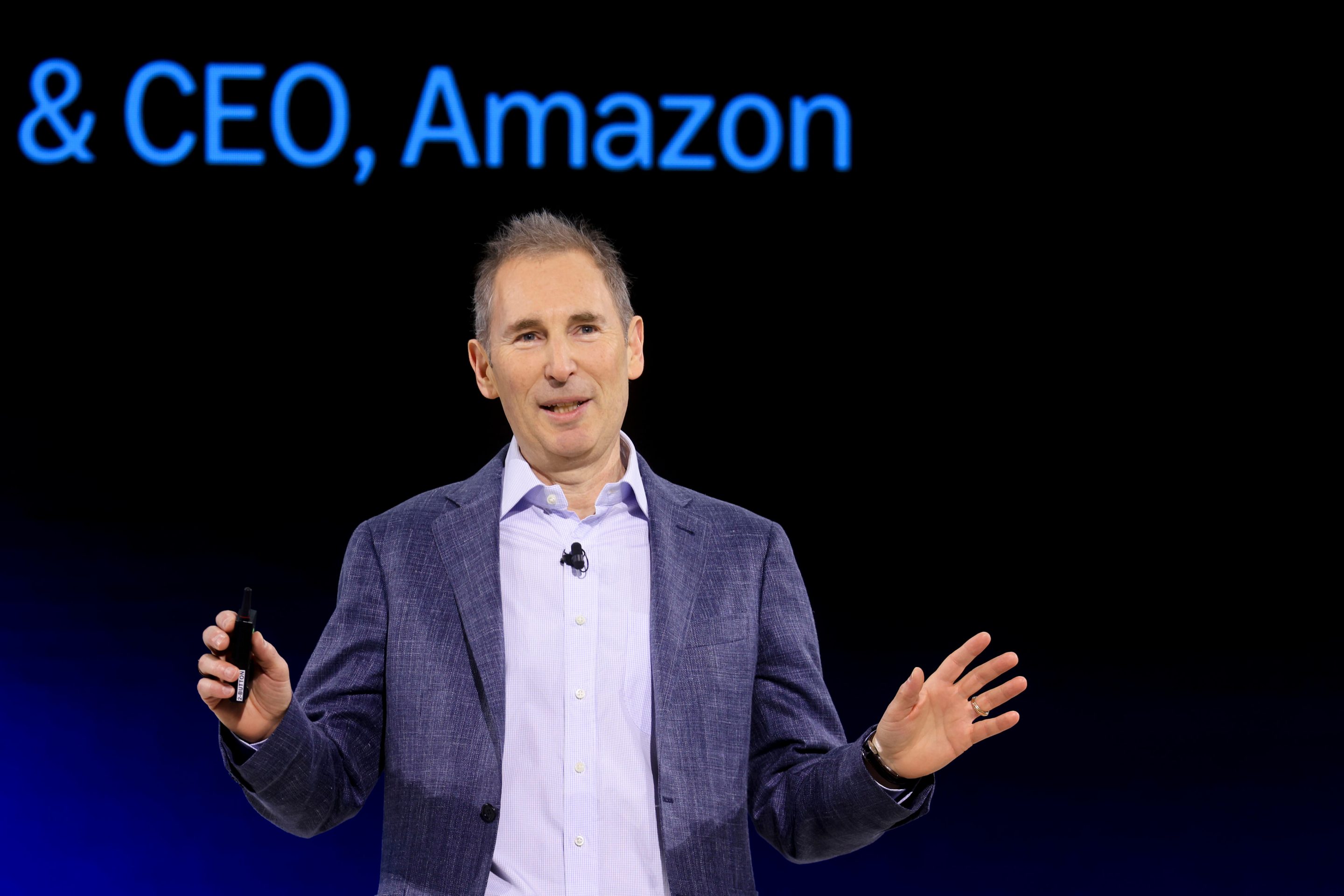
Amazon’s cloud computing unit is growing steadily, keeping pace with AI demand—but the e-commerce giant’s massive spending on AI data centers and weaker advertising performance are worrying investors.
Amazon on Thursday reported third-quarter revenue of $201.9 billion, slightly missing expectations. Its profit was $20.7 billion, which also fell short of expectations and was down from the same period a year ago. Amazon said the decline was due to gains it recorded a year earlier from its investment in AI company Anthropic.
Amazon Web Services, the cloud unit, saw third-quarter sales rise 39.3% to $45.98 billion, topping Wall Street targets.
The results showed that demand for Amazon’s cloud services, particularly those tied to AI, remains high. But the Seattle-based company is also continuing to spend at unprecedented rates to keep up, and performance of non-cloud businesses are weakening. On Thursday, Amazon reiterated that it expects its 2026 capital expenditures to be about $220 billion.
The company’s advertising business grew 12% year over year in Q3, missing analyst expectations, and its projected holiday-quarter operating profit is below Wall Street estimates. The heavy AI infrastructure spending also pushed its free cash flow deeply negative; the company said free cash flow swung from positive $14.8 billion to negative $42.4 billion over the past year.
Shares of the company initially sank 5% in after-hours trading.
Amazon’s earnings came on the heels of those from peers such as Microsoft and Google parent Alphabet, which also reported robust growth in their cloud units and soaring AI infrastructure costs. Alphabet also reported weaker-than-expected advertising growth.
The results have shown that the need for AI compute remains as high as ever, and so does the spending. Investors in Amazon and other tech giants are closely watching the tightrope that so-called hyperscalers are walking, and any sign of a slowdown scares those worried about a bubble popping.
Amazon is one of the biggest spenders in building out data centers. The company, famous for opening hundreds of e-commerce warehouses around the U.S., has lately been putting its capital into AI hubs. Collectively, Amazon, Microsoft, Alphabet, and Meta Platforms are expected to spend more than $700 billion on capital expenditures in 2026, mostly on data centers. —Sebastian Herrera
THE BLIND BOX
“The assertion that the AI is an autonomous being is insane.”
THE RUNDOWN
—A Chinese executive close to Nvidia’s CEO was passing intelligence to Beijing.
—DoorDash will indeed acquire Instacart in a $17 billion deal.
—Binance investigates a “potential security issue” as outflows reach up to $5.8 billion.
—Samsung rakes in a record $80.5 billion in quarterly profit thanks to—what else?—AI’s need for chips.
—Intel shares plunge 23% as the chipmaker forecasts Q4 revenue and profit below estimates.
—Buyers return to Etsy as the company’s new CEO cracks down on AI listings.
—Mistral says it has chased its Chinese rivals to the frontier of open-weight AI with its new model, Large 4.
—Utah files criminal charges against Kalshi and its co-founders for allegedly breaking state gambling laws.
THE PARTING SHOT
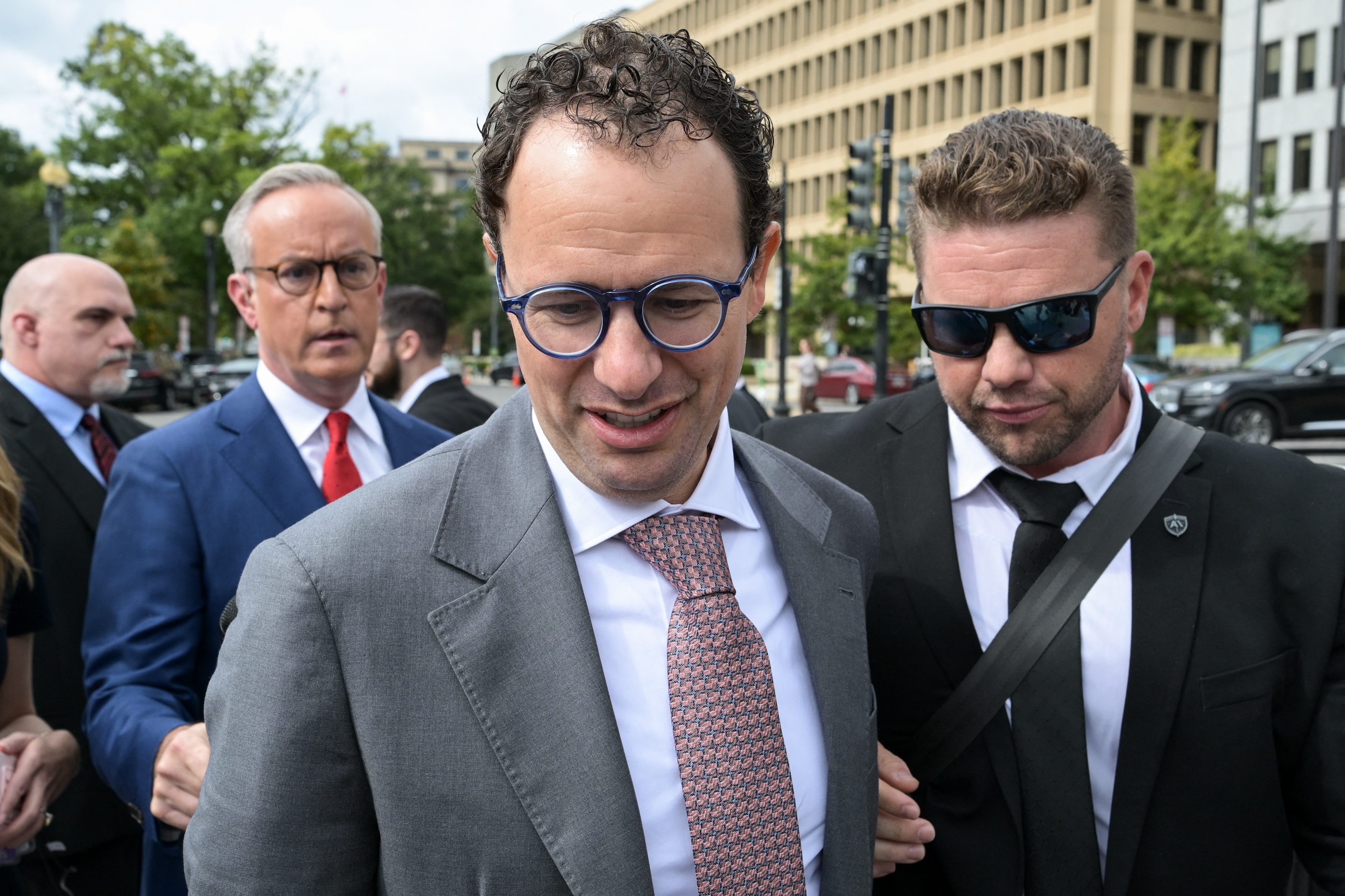
Fun fact: Anthropic spent $2.75 million on security to protect Dario Amodei last year. That’s 4X the CEO’s base salary at the time (it’s gone up since), but a fraction of his total compensation of about $18 million.
How does that compare to the compensation of Sam Altman? It’s about 36X Altman’s $76,001 total comp, since the rival CEO lacks direct equity in OpenAI. (Don’t feel too bad for Altman, though—he’s a billionaire by other means.)
And how does that compare to the cost of protecting other tech CEOs? In contrast, Meta spends about $8.5 million to protect CEO Mark Zuckerberg—plus a $14 million allowance for his family. Sweet Baby Ray's, that's a lotta dough.