
Ford says its $28,350 Fathom pickup will be able to run your house in a blackout. It won’t say what that costs. Ford’s own math gets you most of the way there anyway.
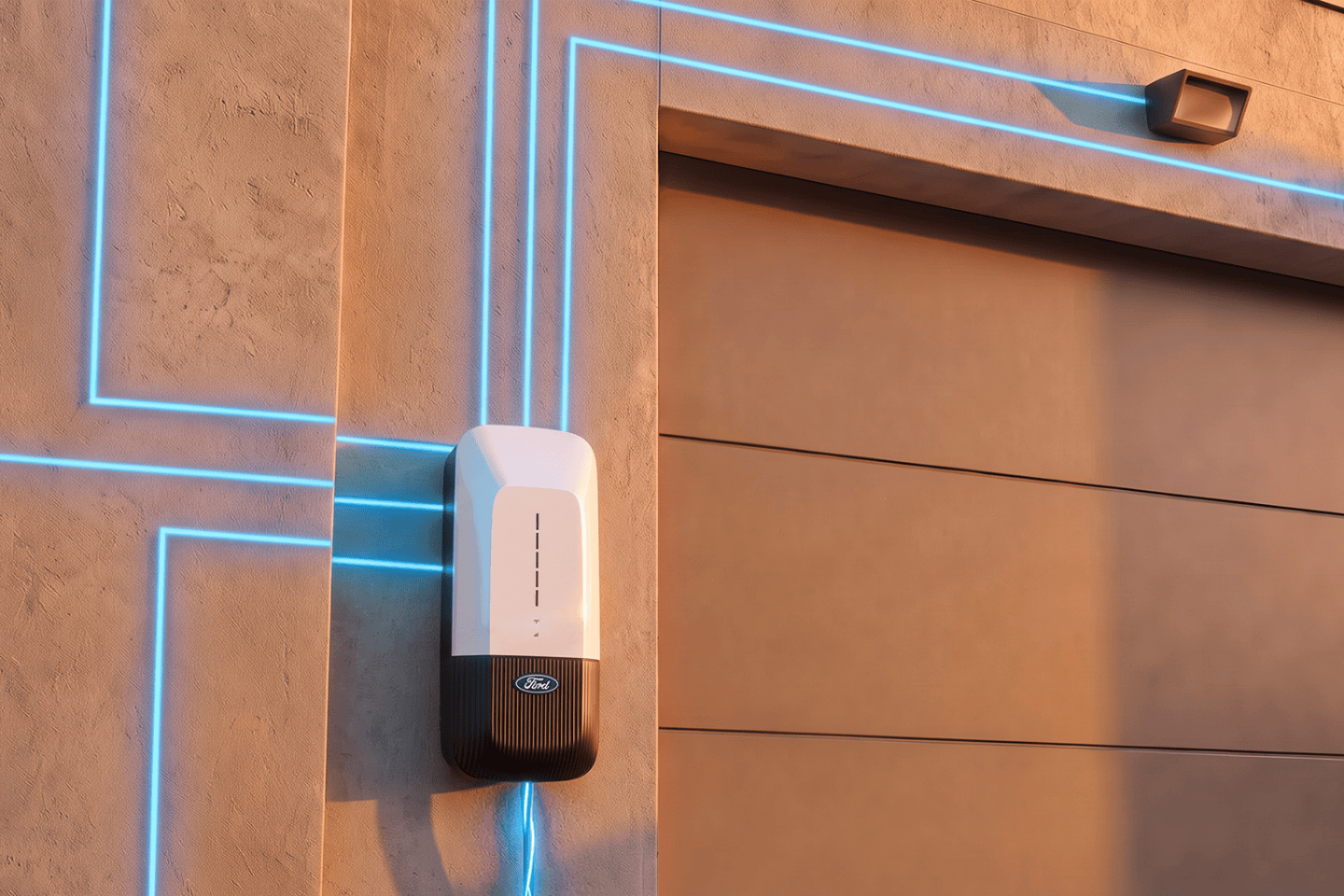
In a post published Tuesday, Ford said the Fathom, its midsize electric truck due in 2027, can send more than 10 kilowatts of power into a home without a separate wall-mounted inverter. That inverter was the expensive part of the setup on the F-150 Lightning.
Asked for prices, a Ford spokesperson said the company isn’t sharing exact numbers yet, but gave percentages against its first-generation hardware instead. The backup setup will cost about 60% less than the first-gen version. The everyday setup, which Ford calls home power management and which uses the truck to cut your bill while the grid is up, will cost about half as much as the first-gen charger. Neither figure includes installation.
The first-gen prices are public. The Charge Station Pro was $1,310, and with the Home Integration System needed for backup the total was $5,205. That puts Fathom backup hardware at about $2,080 and the everyday charger at about $655. They leave out installation and electrical panel upgrades, which older homes often need. On the Lightning, installation wasn’t small. Sunrun quoted customers about $8,900 to $9,400 all in, which means a few thousand dollars went to labor and electrical work, not hardware.
What does the buyer get for that? Ford says more than 10,000 watts at once, enough to run a refrigerator, lights, Wi-Fi and a TV, plus a microwave or coffee maker. It hasn’t said how long a full battery will keep a house running and says it will share that closer to launch.
A sales feature, not a side business
Asked how Ford makes money from this, the spokesperson didn’t point to grid fees or a share of utility payments. “We see it as a compelling reason to buy Fathom,” she said.
Ford needs reasons. The company stopped building the F-150 Lightning in December 2025, and Ford has lost about $13 billion on EVs since 2023, The Associated Press reported at the time. The Fathom is Ford’s bet that a cheaper electric truck sells where an expensive one didn’t. Home backup for about $2,000 is a pitch most gas trucks can’t make.
Where it actually pays off: California, for now
The cheaper hardware only saves money where the local utility lets you plug the truck into the grid and pays you for it. Ford formed a working group in July with American Electric Power, BC Hydro, Consumers Energy, Exelon and Pacific Gas and Electric. So far, Ford says, the commitment is to a set of principles for rewriting interconnection rules. “Right now, we are focused on making sure the rules and regulations are in place to support this technology in the first place,” the spokesperson said.
Ford cited one existing PG&E program as an example of what’s already out there for vehicles that send AC power back to the house and grid. It didn’t say the Fathom would qualify. Residential customers in it get $2,500 upfront, or $3,000 in disadvantaged communities, and the first 250 to enroll get an extra $1,500. That’s more than the estimated backup hardware cost, if a Fathom setup were eligible. The timing may not line up anyway. Enrollment closes June 30, 2027, and Ford hasn’t said when first deliveries will happen.
Outside California and Maryland, the rules are thinner. California and Maryland have certification pathways for grid-connected two-way charging systems, and Nevada and Connecticut proposals are pending, according to a mid-2026 ChargedEVs report.
Generative AI was used for research assistance and/or transcription of this article. The reporter independently reported and verified the factual claims in this article, and a human editor reviewed it before publication.