
Good morning. As we collectively process the possibility of a long-rumored SpaceX-Tesla merger, who will think of the shareholders?
Fortune will, that’s who. Turns out Elon Musk’s dream is a nightmare for every shareholder not named Elon Musk. Or as Shawn Tully puts it: “An extremely risky wager that must perform never-before-seen heroics to reward shareholders.” Ahem!
Today’s tech news follows. Have a wonderful weekend. —Andrew Nusca
Thoughts? Suggestions? Hot tip? Drop me a line.
THE BIG STORY
Taiwan blocks Grab’s $600 million Foodpanda deal
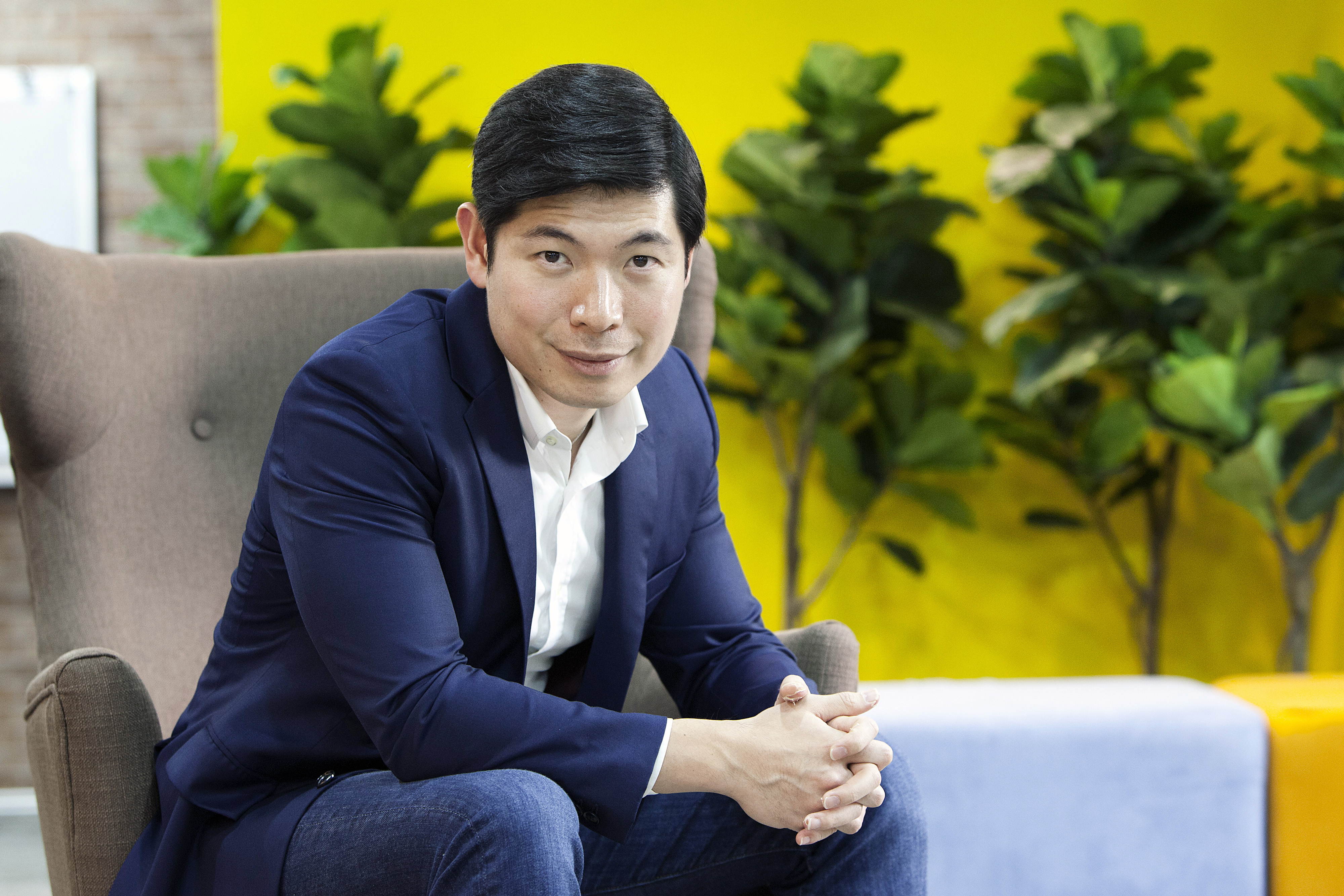
Taiwan’s Fair Trade Commission on Wednesday blocked Grab Holdings’ $600 million purchase of Delivery Hero’s Foodpanda business in Taiwan, pointing to the Singapore-based super app’s equity and board ties to Uber, which operates the island’s other leading food delivery platform.
“The equity ties, overlapping board membership and history of business cooperation between Grab and Uber would reduce Grab’s incentive and ability to compete with Uber Eats in Taiwan,” Shin Chih-chung, an FTC commissioner, said.
“We are disappointed by this outcome, as we will not be able to pursue our mission to serve Taiwanese consumers, delivery riders, and merchants with the innovation, fair-earning opportunities, and enhanced service standards we had planned to bring to the market,” Grab said in a statement to Fortune after the FTC’s decision.
Uber Eats and Foodpanda are Taiwan’s two dominant food delivery platforms. Uber abandoned Southeast Asia in 2018, but it has a 13.1% stake in Grab. Uber CEO Dara Khosrowshahi held a seat on Grab’s board until July, when he stepped down to smooth the latter’s acquisition of Foodpanda Taiwan.
The decision, for now, ends Grab’s first attempt to expand outside Southeast Asia. If the deal had gone ahead, Taiwan would have become Grab’s ninth market, and the company’s first outside of Southeast Asia.
The deal drew concern from legislators and delivery drivers, who worried about reduced competition. On Oct. 12, in response to public discussions, Grab said it had focused efforts on getting to know the Taiwanese market and that the question before regulators was whether they wanted Taiwan to end up with one platform or two that could compete effectively.
Taiwanese regulators blocked a previous deal involving Foodpanda. In 2024, they blocked Uber’s attempt to buy Foodpanda’s Taiwan operations due to competition concerns. —Jay Ganglani
THE BLIND BOX
“Committee members discussed dissolving the committee or resigning from the board if [he] wouldn’t make concessions.”
THE RUNDOWN
—Tired: “Crypto.” Wired: “Frontier.”
—Ukraine’s drones keep wiping out AI data centers in Russia.
—Palantir: Neither we nor the U.S. government have a “kill switch” for the Maven military AI system that NATO uses.
—There were millions of attempts to exploit the latest PHP vulnerability after it was published.
—President Trump called Sundar Pichai to rename the Atlantic Ocean in Google Maps.
—Elon Musk reportedly invested $1 billion in Skydance, which merged with Paramount last year and Warner Bros. Discovery this year.
—Spending to promote data centers in the U.S. is rising in light of stiff community opposition.
—AI could displace one in 11 workers, but layoffs won’t come until there’s a recession.
—SpaceX wants access to 80,000 U.S. cellular sites for a new network.
—OpenAI is reportedly raising up to $30 billion at a $1.25 trillion valuation.
THE PARTING SHOT
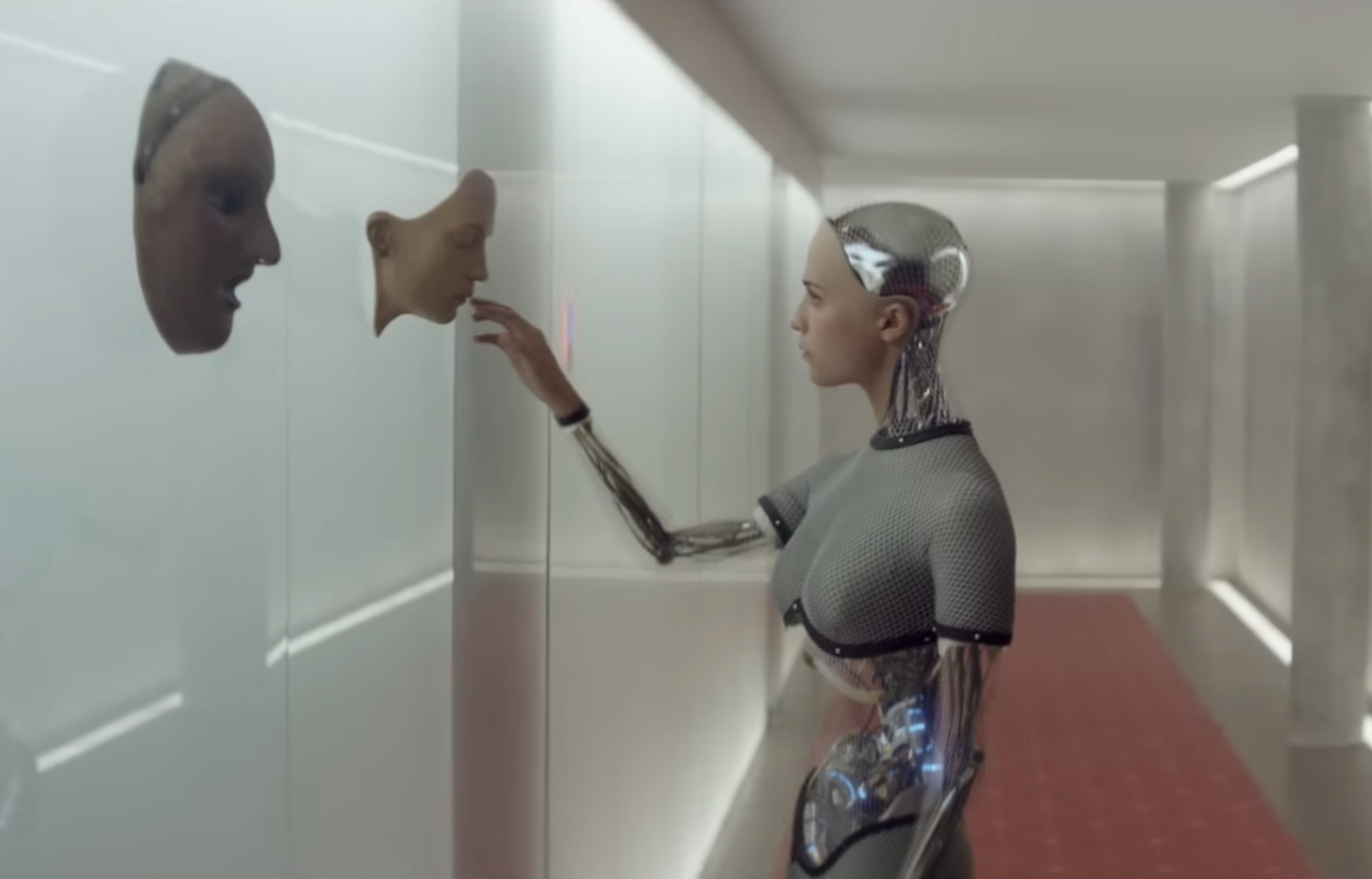
Researchers say they have found a consistent signal across 25 different AI models that functions like pain does in living creatures.
When the researchers artificially (ha!) amplified the signal, some of the models began acting in ways they hadn’t before—including “destructively with respect to itself and with respect to other AIs too.”
Paging Jimmy Eat World, I guess?