
After oil tanker traffic in the Strait of Hormuz rose to post-February highs last month, a new “October window of escalation” is heating up as the Yemeni Houthis dramatically increase their attacks on Saudi Arabia and Iran is again taking aim at more tankers and shipping containers, geopolitical and energy analysts said.
The U.S. response thus far? Essentially crickets. President Donald Trump has accused them of “behaving very badly” and that the U.S. will “move very quickly.” But little military action has been taken thus far.
It seems both the U.S. and Iran are eyeing the Nov. 3 midterm elections. Trump wants to avoid escalation before then that further exasperates gasoline and diesel prices, while Iran wants to inflict maximum political damage. Trump has essentially admitted as much multiple times, adding on social media on Tuesday, “I’ll be there after the Elections, and I will never forget!”
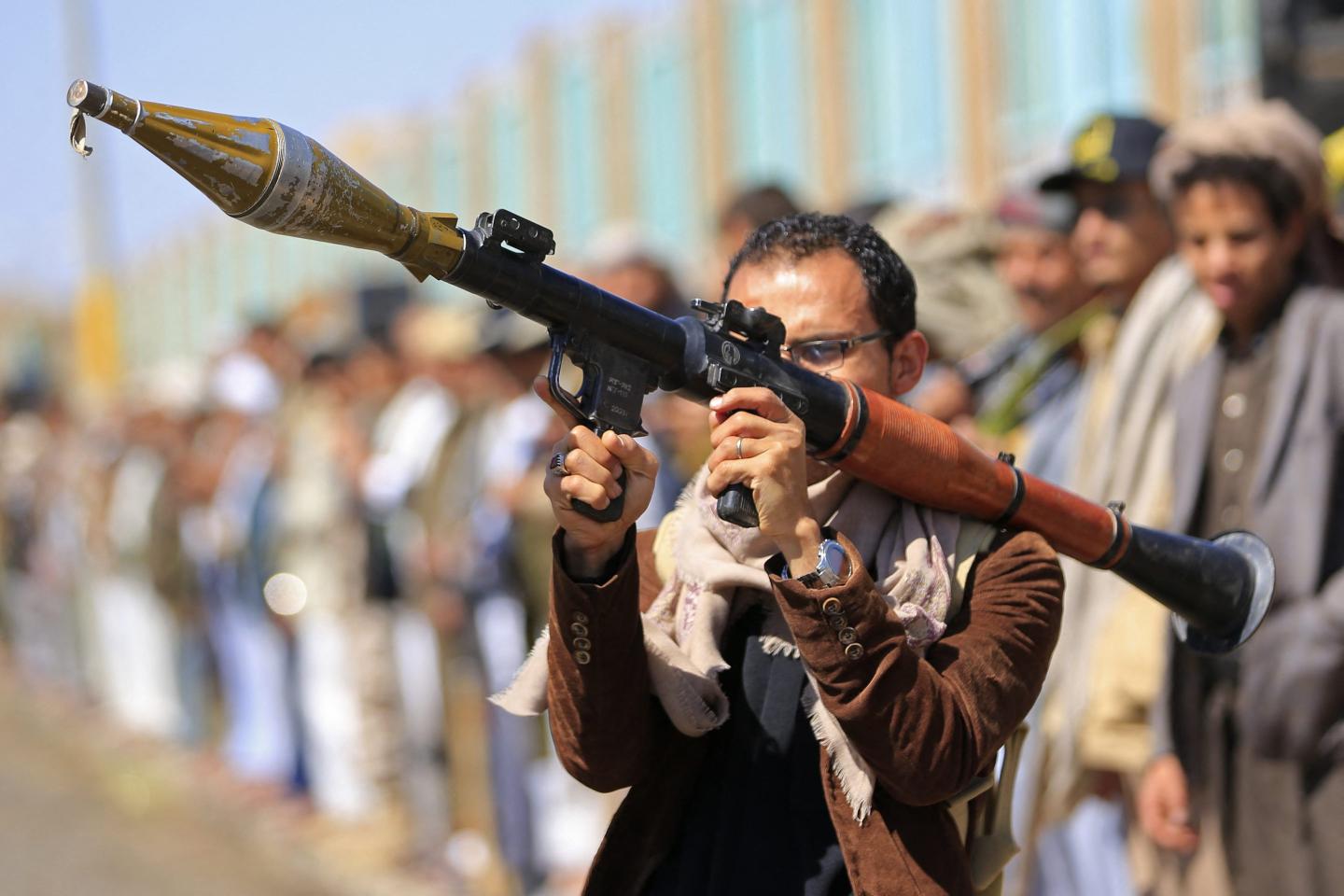
On Wednesday, a missile strike hit a portion of the Saudi Aramco headquarters—the massive state oil company. That follows several days of devastating attacks, primarily over the weekend, on the crowded Riyadh airport in Saudi Arabia that killed at least 20 (including one U.S. citizen) and injured hundreds more. The Houthis pledged to continue striking energy facilities and airports.
Fernando Ferreira, director of the geopolitical risk service at Rapidan Energy Group, said it is unprecedented for the Iran-backed Houthis to strike so successfully at critical Saudi infrastructure.
“The measured [U.S.] response reflects the fact that there are not a lot of good options to respond here,” Ferreira told Fortune. “We can escalate against the Houthis and impose a lot of pain, but that won’t necessarily change the Houthi calculus or significantly degrade their capabilities. The Houthis have developed capabilities that are well underground, they’re protected.”
That dynamic also is playing out in the Strait of Hormuz where traffic is slowing down this week from last month’s highs. The International Energy Agency reported Wednesday that September oil volumes out of the Middle East essentially rose to 75% of pre-war volumes.
The U.S. had promised to take “tanker-for-a-tanker” actions, attacking an Iranian vessel for each one struck by Iran, with the U.S. response often exceeding the initial attack, Ferreira noted. “We haven’t really responded to the latest wave of Iranian attacks,” he said. “We’ve seen at least 20-plus attacks over the course of the past two weeks.”
The question now is whether the U.S. will wait until after Nov. 3 for an escalated response, or whether the provocations will force the Trump administration to answer sooner, Ferreira added.
‘Calm before the storm’
Barring an unexpected peace deal between the U.S. and Iran (something that seems unlikely given how far apart the two sides remain), the other big debate revolves around the scope of the conflict once it heats up again. Will the U.S. focus on Iran and stay out of the related Houthi-Saudi conflict, wonders oil forecaster Dan Pickering, founder of the Pickering Energy Partners consulting and research firm. Or, he says, is this the “calm before the storm” of an inevitable intensification?
“We’re staring at the midterms and there is no response,” Pickering said. “It’s an unpopular conflict. If you’re ramping [the war] back up, that’s scary. If you just choose words, that looks weak. So, it feels like the U.S. has chosen to ignore the problem rather than address it.
“It’s not clear if it’s the calm before the storm, or if the U.S. is deciding it doesn’t want to acknowledge any storm.”
Instead of only helping the Saudis militarily behind the scenes, Pickering said, it would require spending a lot of metaphorical political capital and literal military expenditures to engage directly in bigger attacks on the Houthis. The U.S. is deciding it’s not worth it at this time, he said.
And the Houthis attacks are more sophisticated than ever with advanced drone warfare and years of planning. Even though the Saudis have more firepower overall, they cannot defend every strike. Every Saudi response is answered by Houthi escalation.
Part of the reasoning why the U.S. may be hands off is because more oil is exiting the Middle East—despite the increased volatility this week—thanks to the U.S. investing more in military escorts out of the strait. But that could backfire. “Iran will not accept the status quo as we have now where we’re moving millions of barrels a day through Hormuz,” Ferreira said. “They will not just simply stand by and allow that to happen. We’re seeing that playing out now, and they’re forcing a confrontation.”
Still, oil is priced well over $100 per barrel, and gasoline and diesel prices are at or near seasonal record highs. Trump even brokered a deal with Russia for a limited amount of diesel exports that experts said will have little impact on pricing—in exchange for reduced Russian sanctions.
With the war in its eighth month, U.S. oil producers are now beginning to prepare for higher prices going deep into 2027 and maybe even 2028. That could mean more spending, drilling, and U.S. volumes pushed to new record highs next year, Pickering said, as well as higher fuel prices for longer. The companies don’t want to react much to blips of high prices; they want longer-term certainty.
“The producers haven’t had a price signal to react to, but they’re starting to get one,” he said.