
Masked thieves needed about three hours on a Saturday night to empty Marchesi Antinori’s warehouse in Cortona, Tuscany, of about 30,000 bottles of some of Italy’s most collected wine.
And they didn’t have to worry about tripping some alarms: they never went off. The day before the heist, the alarms had been switched off from inside the building, Lorenzo Vivoli, who works in Antinori’s communications office, told Fortune.
“It’s as if they already knew everything,” Vivoli said in Italian.
The thieves arrived with two trucks, and the bottles were ripe for the taking as they were already packed and waiting to get shipped to Antinori’s export markets. “It’s the biggest theft in the history of wine,” Vivoli said. “There’s never been anything this big.”
“This is a theft of unprecedented scale for the wine industry in Italy, carried out by a group that was clearly highly organized and well prepared,” Antinori CEO Renzo Cotarella said.
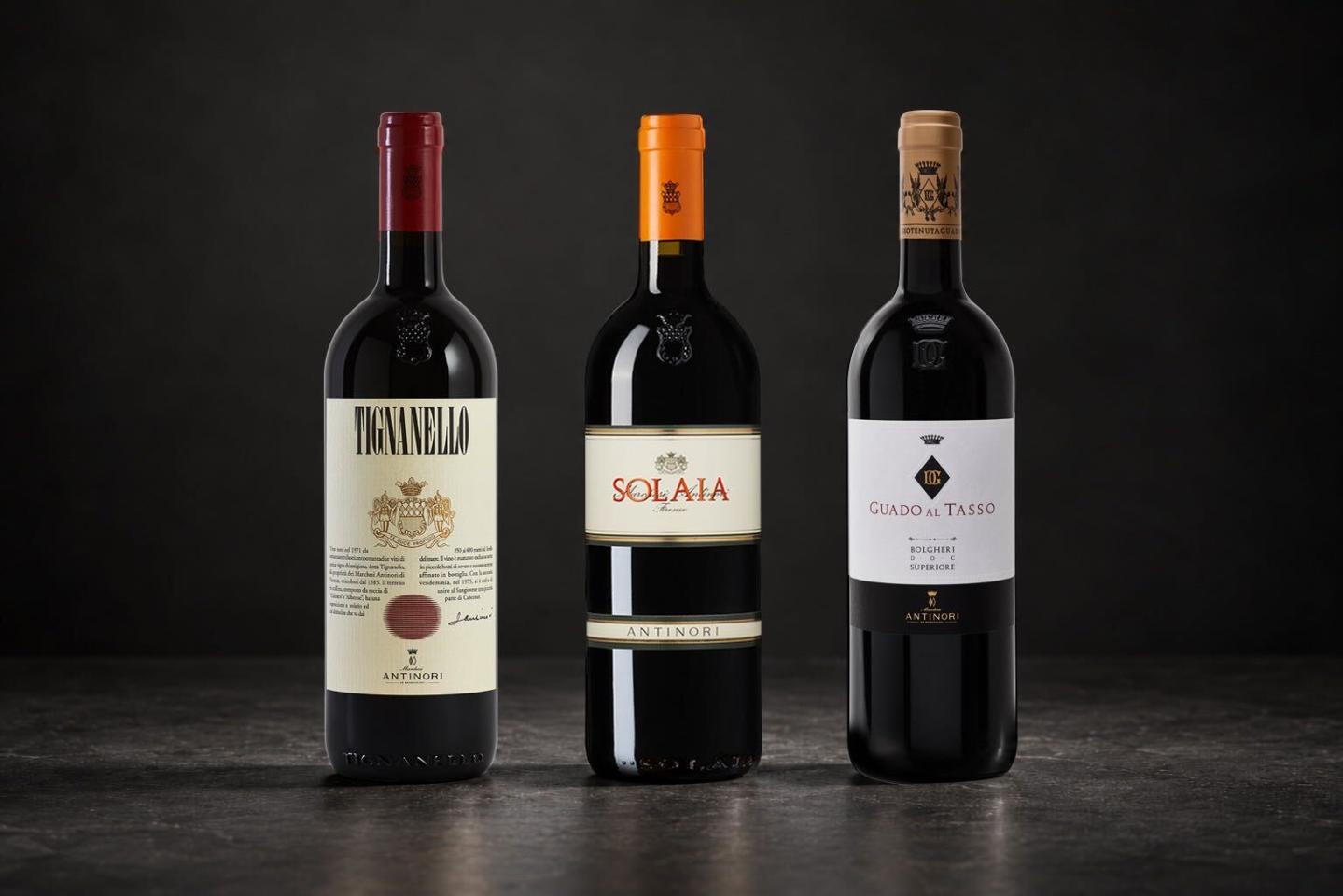
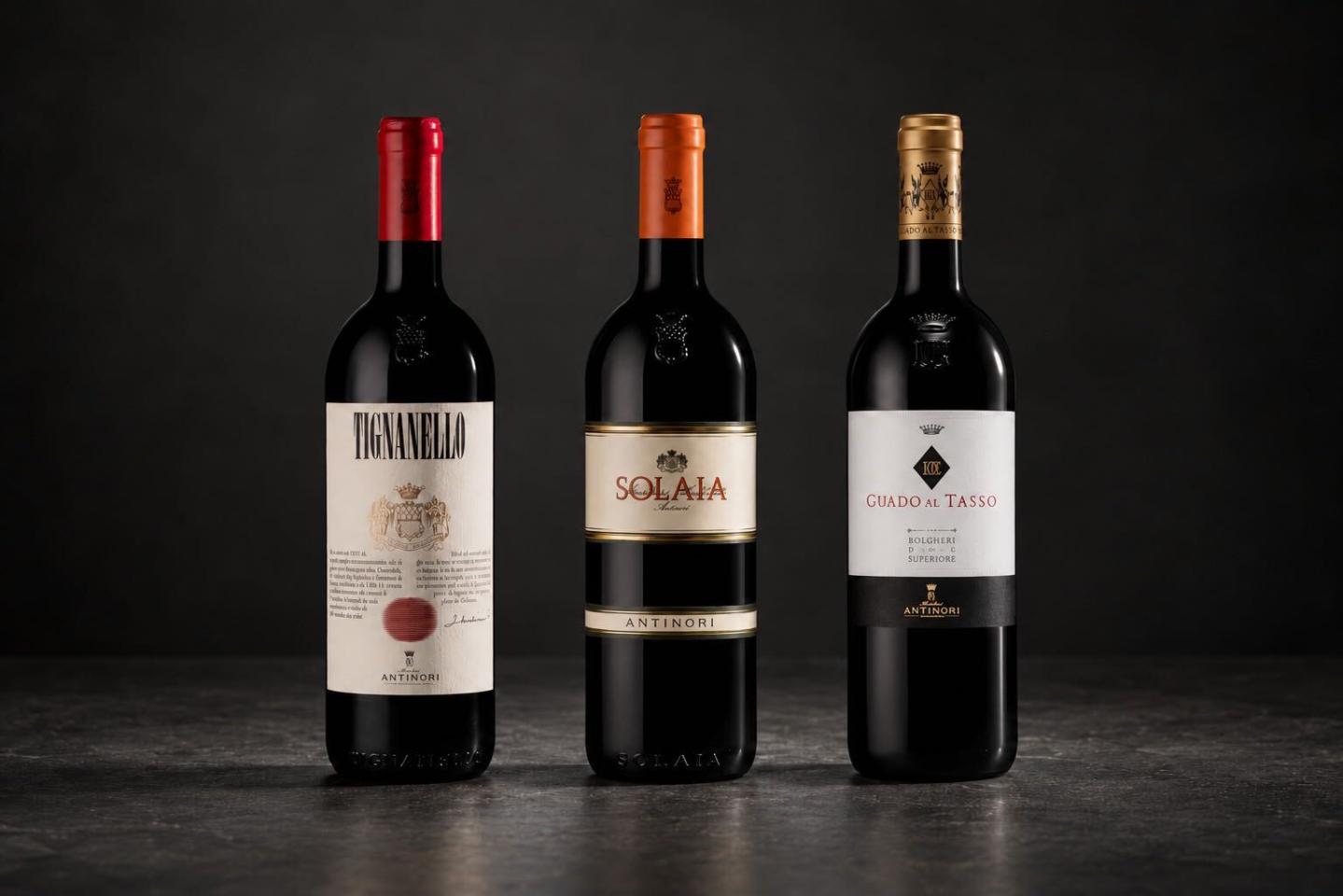
The crew took roughly 10,000 bottles each of Tignanello, Solaia and Guado al Tasso, all from the 2023 vintage, Vivoli said. At average U.S. retail prices of about $430 a bottle for Solaia, $200 for Tignanello and $190 for Guado al Tasso, the stolen wine is worth about $8.2 million. For European markets, Antinori put its loss at about €5 million.
Either figure would make it the most valuable single wine or spirits theft on record. The previous Italian record, according to Corriere della Sera, was a 2017 theft in Cervia worth €750,000. Meanwhile, the costliest case on a Drinks Business list of the most valuable heists was a $2.7 million scheme at Legend Cellars in Irvine, Calif., in 2015.
Antinori doesn’t know how the alarms were disabled, Vivoli said, and a police probe is ongoing. Investigators have not named any suspects, and no one has been arrested. Antinori has surveillance video, but police have asked the company not to release it while the investigation continues.
A well known grape dupe
Counterfeiters have targeted the same wines for years. In 2019, Italian police arrested three people in a scheme to sell at least 11,000 counterfeit bottles of Tignanello in Italy, Germany and Belgium, labeled as 2009, 2010 and 2011 vintages but filled with low-quality wine.
The case started when a print shop in Pistoia received an order for more than 4,000 Tignanello labels from a self-styled “Mr. Rossi,” who claimed to act for the company. The fake back labels misspelled “altitudine” as “altidudine.”
Separately, a ring sold more than 54,000 counterfeit bottles into Switzerland between 2016 and 2018 under the names of top Italian wineries, including Marchesi Antinori.
To combat this, Antinori has been marking its bottles against fakes for years. Starting with the 2013 vintage, it added an embossed logo, then an embossed Tignanello name, and since 2016, a small label on the bottles to defend against counterfeiting. Anyone can scan the stickers with a phone to check whether a bottle is real. But they don’t track where a bottle goes.
“They don’t help us find the stolen bottles,” Vivoli told Fortune when asked if the special marks will help with tracking the bottles.
How to move stolen goods
Antinori is counting instead on how hard the wine will be to sell.
“A quantity of around 30,000 bottles is difficult to move and put back on the market without leaving a trace,” Cotarella said. And because the three wines are sold in small allocations, Vivoli said, a large supply showing up would draw attention. “These 30,000 bottles won’t vanish into thin air,” he said. “It will be very hard for them.”
The company is warning partners and customers in the 170 countries it exports to about offers outside official channels. The U.S. is its largest market outside Italy, and Italian wine sales there were already under strain: exports to the U.S. fell 17% in value in the first year after the introduction of tariffs, a loss of more than €340 million, according to the trade group Unione Italiana Vini. Americans had stockpiled Italian wine before the tariffs took effect, while in Italy, buying stolen goods is itself a crime. Antinori’s insurance didn’t cover a loss this large, Corriere reported.
Stolen fine wine is also hard to sell at full price, because collectors pay for a bottle’s history. Last year, two people posing as event planners took six bottles of Domaine de la Romanée-Conti, valued at $38,000, from L’Auberge Provençale in Boyce, Virginia, The Washington Post reported. Then two bottles came back months later, including a $24,000 Romanée-Conti. “Nobody is going to pay $24,000 not knowing how the wine was kept,” co-owner Alain Borel said at the time.
The theft comes as winemakers struggle with falling demand among younger drinkers. For Antinori, the emotional damage outweighs the financial loss, Vivoli said, adding that some families have worked there for five generations. “It’s a blow to the heart.”