When Fortune executive editor Adam Lashinsky arrived at Uber’s San Francisco office to interview Travis Kalanick, he wrote in an excerpt from his 2017 book, the cofounder gave him two choices:
“‘We can go in that room,’ he says, pointing to a nearby conference room, one of many at Uber used for private meetings, ‘and I’m going to fucking pace back and forth the entire time. Or we can go for a walk.’”
Lashinsky saw that he was at a journalistic crossroads. He wrote: “Understanding my true choice to be between ‘letting Travis be Travis’ on the one hand and trying to pry information out of a penned‑in subject on the other, I opt for the walk.”
Over the next several hours, the two men wandered through San Francisco, made a pitstop at In‑N‑Out Burger, and chatted with an Uber driver. Lashinsky presented a nuanced portrait of a driven entrepreneur testing the limits of everyone around him—including himself.
“In a car, you can go fast,” Kalanick explained to Lashinsky. “But you have a red line. And everybody has their own personal red lines. You want to push into that red line and see what that engine’s made of. You might find you’ve got more under the hood than you thought. But you can’t sit over the red line for too long. And everybody’s got their own personal red line.”
Lashinsky also did not shy away from how Kalanick was seen by many: “as a brash, win-at-all-costs entrepreneur who’ll flout any rule to succeed, as well as a bro-in-chief enabler presiding over a sexist corporate culture.”
The way that reputation ultimately sank Kalanick at Uber has since become Silicon Valley lore. The article and Lashinsky’s book, Wild Ride: Inside Uber’s Quest for World Domination, were published in May 2017. About a month later, Uber’s investors forced Kalanick out.
As Uber had grown under Kalanick’s leadership, “so did tales of ruthlessness and bad behavior,” Jeff John Roberts writes in his new feature about Kalanick for the current issue of Fortune magazine. “They included allegations of a misogynistic, boozy corporate culture that failed to hold managers accountable for harassment. Reports also began to trickle out of covert programs with code names like ‘Greyball’ and ‘Hell’ that used underhanded methods to sabotage regulators and competition.”
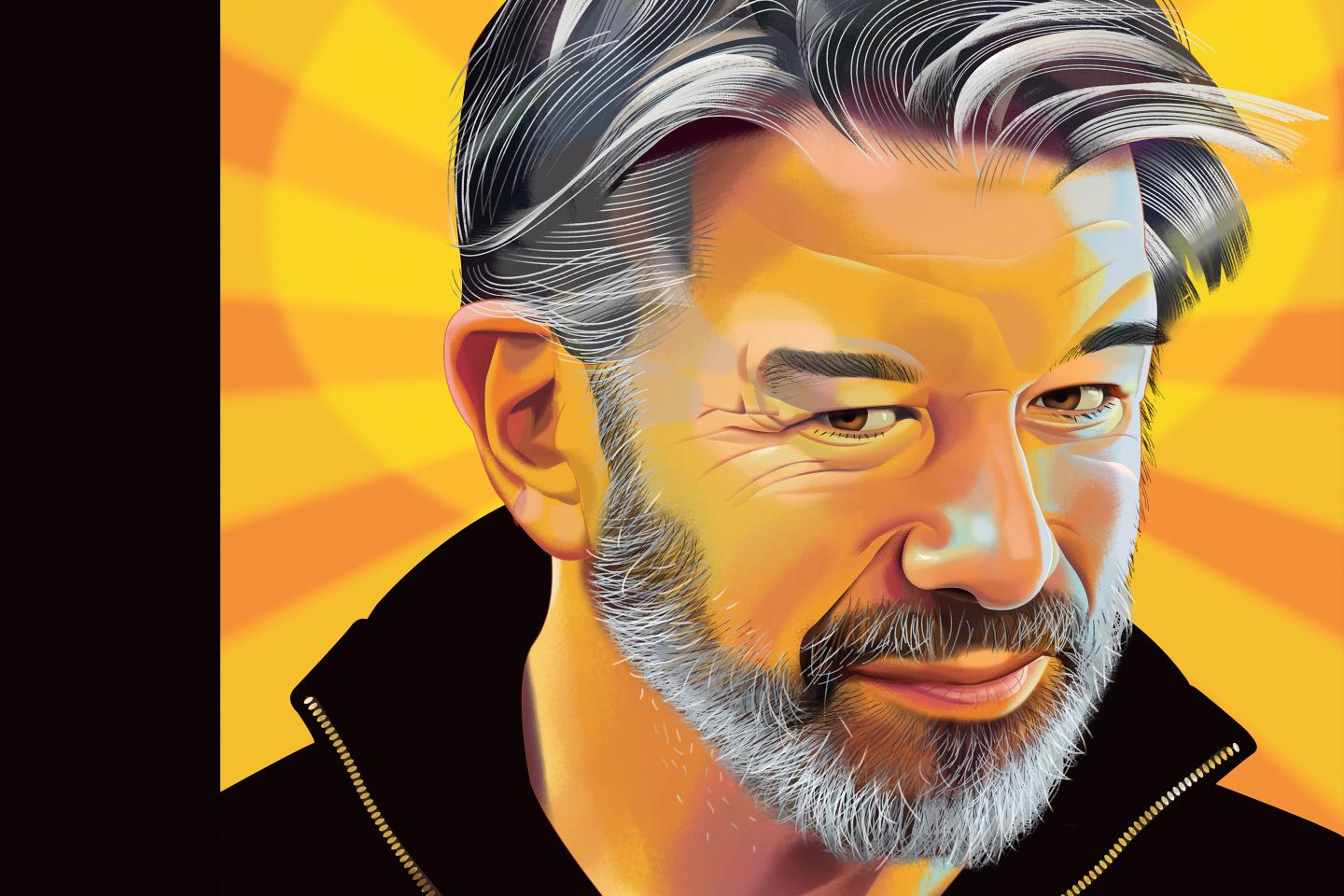
Since his ouster, Kalanick has been portrayed as toxic, boorish, and incorrigible in books, articles, and even a Showtime TV series starring Joseph Gordon-Levitt. But now, nearly a decade later, Roberts writes, “Travis Kalanick is back—not contrite, not chastened, and not especially interested in accepting his critics’ moral verdict on his tenure at Uber.” He has built Atoms, a multibillion-dollar AI and industrial-robotics venture, with the support of the influential VC Andreessen Horowitz (a16z). Some of today’s up-and-coming tech founders see him less as a cautionary tale than as a victim of wokeness run amok and cancel culture.
Kalanick’s own perspective is strikingly unrepentant: “I continue to stand by every decision I made at Uber,” he has said in a video released by a16z.
The question at the heart of Lashinsky’s 2017 portrait was brutally simple: “Is he really an asshole?” In Roberts’s telling, Silicon Valley appears to have decided that question matters less than another: Can he still deliver results? The world appears willing, once again, to reward a founder for testing the limits—even after it has seen what happens when those limits are exceeded.