
Good morning. What’s it like to be the CEO of one of the leading cybersecurity companies at a time when AI completely is upending the market?
For Nikesh Arora, the CEO of Palo Alto Networks, it means more respect outside of Silicon Valley.
As my colleague Allie Garfinkle writes in her profile of the 58-year-old CEO and former Google exec, the scary new capabilities unleashed by AI models like Anthropic’s Mythos are causing customers to take cybersecurity seriously:
Prior to Mythos, Arora says, when he called a company to discuss cybersecurity, the answer might as well have been, “Sure, stand right by the insurance guy.” Now, he says, “for the first time, CEOs want to see Mythos, they want to talk about it.”
Read Allie’s full story on Nikesh Arora here.
And…more of today’s tech news below.—Alexei Oreskovic
Thoughts? Suggestions? Hot tip? Drop me a line.
THE BIG STORY
Party on, Micron!
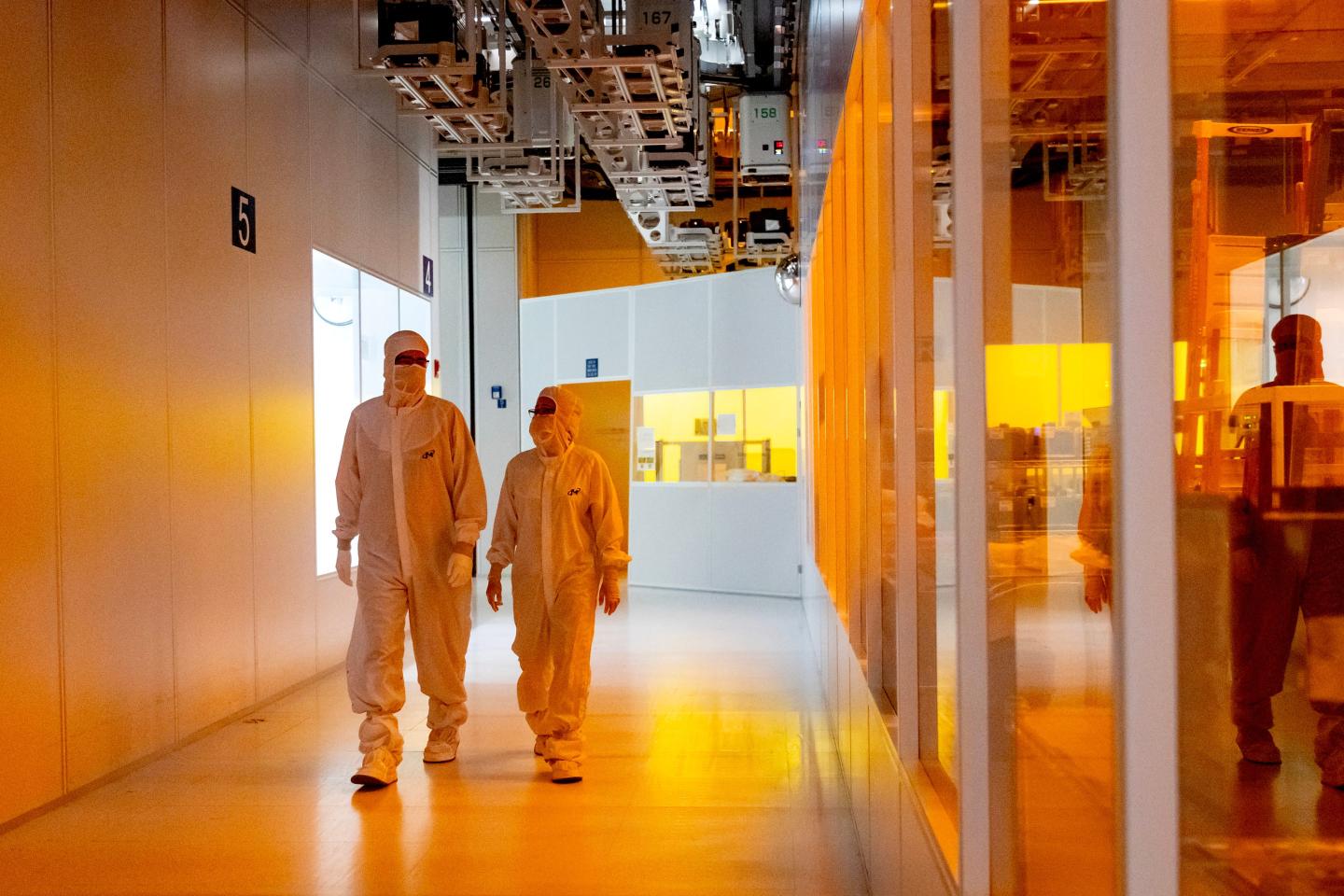
AI may be a cause of existential dread for “doomers,” but for memory chip makers, life has never been better.
Micron, one of the world’s three biggest memory companies, delivered a massive beat-and-raise earnings report on Wednesday. Revenue in the three months ended Sept. 3 grew an astounding 380% year-over-year, coming in billions of dollars above analyst estimates, at $54.2 billion. Earnings per share, which were $2.83 at this time last year, surged to $32.87.
And Micron execs promised more good times ahead, forecasting revenue in the current quarter that will top analyst targets and explaining that the world's AI data centers will be starved for memory chips for the foreseeable future.
“We expect memory and storage supply-demand conditions to be much tighter in calendar 2027 and 2028 than they were in 2026,” said CEO Sanjay Mehrotra in prepared remarks.
So why was Micron’s stock essentially flat after the stunning report?
Two reasons. For one thing, the stock is up 274% already this year.
And then there’s the fact that Micron decided to share some of its growing windfall with its employees by raising its incentive compensation plan. That increase means that Micron’s gross margin in the current quarter will be (just) 86.3%, rather than the 86.7% Wall Street had been expecting. “Incentive comp is the big driver to that gross margin outlook,” Micron’s CFO told analysts on the conference call, according to Bloomberg.
THE BLIND BOX
"Those jobs are definitely going to be changed and eliminated with at least this first inning of AI."
THE RUNDOWN
—FTC probes OpenAI and Anthropic. Investigation launched into leading AI firms a few weeks ago.
—Investors thought they were buying pre-IPO OpenAI and SpaceX shares. Their cash went to strip clubs, Bloomingdale’s, and shopping on Amazon, SEC alleges.
—Apple's smart home hub is coming. A showcase for Siri AI.
—Argon is here. Google releases Gemini 4, billed as its most powerful model yet.
—Tax breaks and data centers. The New York Times examines Meta's data center moves.
—Cloudflare just announced a tool that lets businesses charge AI agents in stablecoins. A payment system for AI agents.
—Retail investors are at the IPO table. Quite a change from being treated as an afterthought.
THE PARTING SHOT
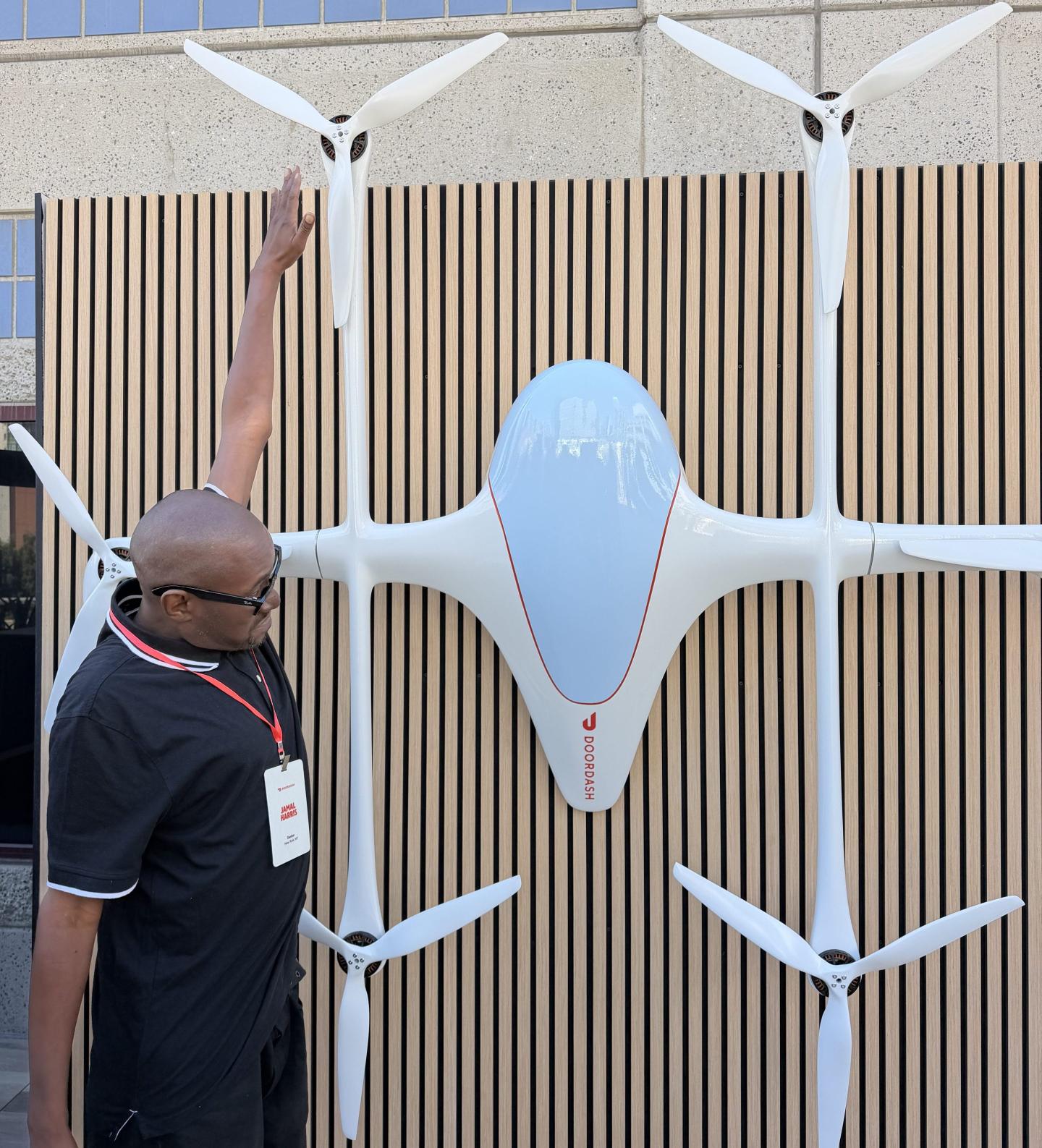
The tech industry’s never ending quest for a flying burrito took a big step forward this week as DoorDash unveiled its first purpose-built delivery drones. The six-rotor drones, which will initially take to the skies in Northern California, are capable of carrying a package the size and weight of 80% of the typical orders that DoorDash delivers from restaurants. The announcement was light on specifics, such as how loud the drones are (about as noisy as a passing car, DoorDash says). But DoorDash Air, as the service is called, has a couple of restaurants already on board: Popeyes Louisiana Kitchens and Chipotle Mexican Grill.