
• Home
  • Latest
  • Fortune 500
  • Finance
  • Tech
  • Leadership
  • Lifestyle
  • Rankings
  • Multimedia

Trendingnow

1

Saudi Arabia is reaping a massive oil windfall, making it perhaps the Iran war’s only winner. Tehran’s proxies actually ‘did Saudi a favor’

2

Her school blocked ChatGPT. Now this 17-year-old high school senior runs an AI startup with 1,000 users

3

Uber CEO says ‘really demanding’ work culture includes expecting employees to answer emails over the weekend: ‘Don’t come here if you want to coast’

1

Saudi Arabia is reaping a massive oil windfall, making it perhaps the Iran war’s only winner. Tehran’s proxies actually ‘did Saudi a favor’

2

Her school blocked ChatGPT. Now this 17-year-old high school senior runs an AI startup with 1,000 users

3

Uber CEO says ‘really demanding’ work culture includes expecting employees to answer emails over the weekend: ‘Don’t come here if you want to coast’
InvestingFinance

Historically, stocks have offered a big premium over bonds. Suddenly, the difference has almost vanished

Shawn Tully
By
Shawn Tully
Shawn Tully
Senior Editor-at-Large
Down Arrow Button Icon
Shawn Tully
By
Shawn Tully
Shawn Tully
Senior Editor-at-Large
Down Arrow Button Icon
September 29, 2026, 3:00 AM ET
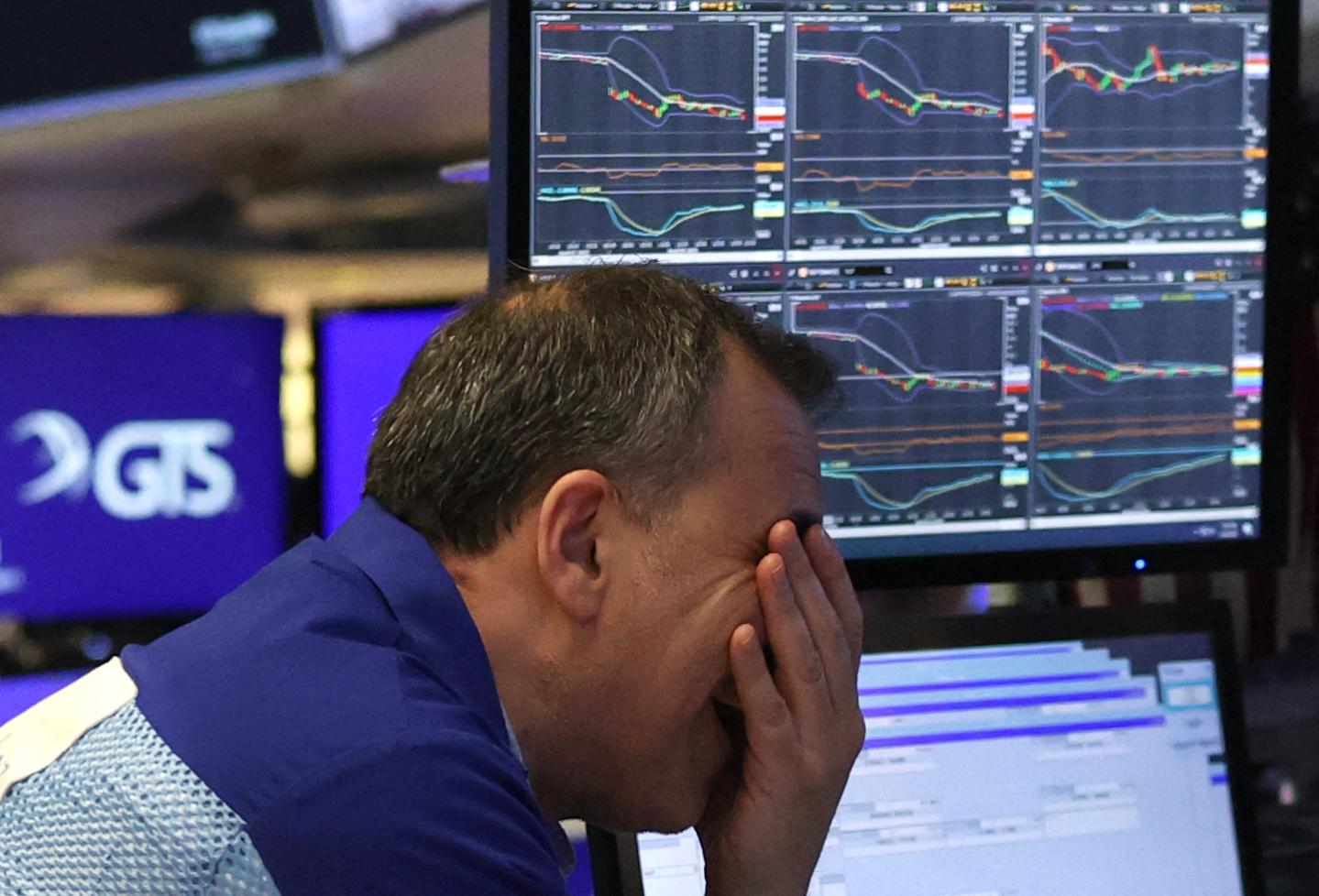
The puny equity risk premium is making some investors very nervous.
The puny equity risk premium is making some investors very nervous.Photo by TIMOTHY A. CLARY/AFP via Getty Images
Google source logo
Add Fortune on Google for similar content.

One of the best signals for when stocks are a great or poor deal is a metric called the Equity Risk Premium. It measures the market’s estimate of the future returns you can expect over the next decade from the S&P 500 versus what you’d garner from shouldering a lot less risk (and sleep far better) by holding 10-year Treasury notes. Put simply, the ERP’s a good proxy for the “margin of safety” that Warren Buffett says shareholders should cherish. Kenneth French, the distinguished financial economist at Dartmouth’s Tuck School of Business, described the ERP to this writer as “the holy grail of stock market investing.”

Recommended Video

The ERP is simple to calculate. Start with the S&P 500’s earnings yield: the profits, over the past 12 months under standard GAAP accounting, that each $100 invested in the index is earning. Then subtract the “real” or inflation-adjusted yield on 10-year Treasuries, as measured by Treasury Inflation Protected Securities (TIPS). In other words, it’s the market’s best take on the annual return on stocks versus the anticipated number for super-safe government bonds.

Here’s what that looks like today. For every $100 invested in the S&P 500 you’re getting about $3.80 in earnings. For every $100 in 10-year TIPS, you’re guaranteed about $2.86 a year above inflation. The difference, less than $1, is your reward for riding out the stock market’s swings. But historically, that reward has averaged roughly $3.50.

The sudden rise in “real” rates has hugely shrunk the ERP

At midday on September 26, the 10-year TIPS yield hit 2.86%. That’s a 110 basis point jump since early March, and marks the highest level since it generally hovered above 3.5% from 1999 to 2001, except for a couple of weeks during the GFC when it surged slightly above today’s number amid the widespread panic. (In part of this period, the ERP actually went negative.) How about the earnings yield? It’s the inverse of the S&P PE of 26.2, or 3.8%. Hence, the ERP now stands at just below 1% (3.8% earnings yield minus the 2.86% TIPS yield). You’re getting a super-slender premium of roughly 1 point for riding the S&P roller coaster versus clipping fat coupons (the nominal 10-year yield is now a juicy 5.2%).

By this writer’s calculations, the only times in the past two-plus decades when the ERP sank below this level were a few months each during both the GFC and the COVID outbreak, when earnings totally collapsed, distorting the numbers by sending PEs to immense highs. Most academic studies gauge the ERP, measured from 1871, when economist Robert Shiller’s data sets begin, at an average of roughly 3.5%, almost 4x today’s level. (Since TIPS only started trading in 1997, it’s difficult to assess the ERP for earlier periods.)

In recent decades, the yardstick got a boost via exceptionally low real rates. From August 2010 to December of 2022 (except for part of the COVID upheaval), the TIPS yield averaged just 0.6%. That’s a return barely above inflation. And though stocks were relatively pricey at a 20 PE, they still looked terrific vs. bonds. The S&P 500 was handing you a 5% earnings yield (inverse of the 20 multiple). That 5 points minus the 0.6 figure for the 10 year TIPS provided a sterling ERP of 4.4%. Big caps were offering one of the most sumptuous cushions over bonds ever seen.

Since then, the scenario has stunningly reversed. Stocks have gotten a lot pricier, and Treasuries much cheaper. The ERP has shrunk by 77% to today’s paltry 1%. The numbers tell the story: According to one of the most respected measures out there, the S&P big caps are likely providing just about the tiniest edge over Treasuries in recent times not roiled by a crisis.

Fortune Daily breaks the traditional barrier between audience and newsroom. The show transforms Fortune’s trusted reporting into actionable, conversational, and entertaining insights for an emerging class of business leaders. Watch here.
About the Author
Shawn Tully
By Shawn TullySenior Editor-at-Large

Shawn Tully is a senior editor-at-large at Fortune, covering the biggest trends in business, aviation, politics, and leadership.

See full bioRight Arrow Button Icon
Google source logo
Add Fortune on Google for similar content.

Latest in Investing


Most Popular

Fortune Secondary Logo
Rankings
  • 100 Best Companies
  • Fortune 500
  • Global 500
  • Fortune 500 Europe
  • Most Powerful Women
  • World's Most Admired Companies
  • See All Rankings
  • Lists Calendar
Sections
  • Finance
  • Fortune Crypto
  • Features
  • Leadership
  • Health
  • Commentary
  • Success
  • Retail
  • Mpw
  • Tech
  • Lifestyle
  • CEO Initiative
  • Asia
  • Politics
  • Conferences
  • Europe
  • Newsletters
  • Personal Finance
  • Environment
  • Magazine
  • Education
Customer Support
  • Frequently Asked Questions
  • Customer Service Portal
  • Privacy Policy
  • Terms Of Use
  • Single Issues For Purchase
  • International Print
Commercial Services
  • Advertising
  • Fortune Brand Studio
  • Fortune Analytics
  • Fortune Conferences
  • Business Development
  • Group Subscriptions
About Us
  • About Us
  • Press Center
  • Work At Fortune
  • Terms And Conditions
  • Site Map
  • About Us
  • Press Center
  • Work At Fortune
  • Terms And Conditions
  • Site Map
  • Facebook icon
  • Twitter icon
  • LinkedIn icon
  • Instagram icon
  • TikTok icon
  • YouTube icon

    Latest in Investing


    Most Popular

    © 2026 Fortune Media IP Limited. All Rights Reserved. Use of this site constitutes acceptance of our Terms of Use and Privacy Policy | CA Notice at Collection and Privacy Notice | Do Not Sell/Share My Personal Information
    FORTUNE is a trademark of Fortune Media IP Limited, registered in the U.S. and other countries. FORTUNE may receive compensation for some links to products and services on this website. Offers may be subject to change without notice.