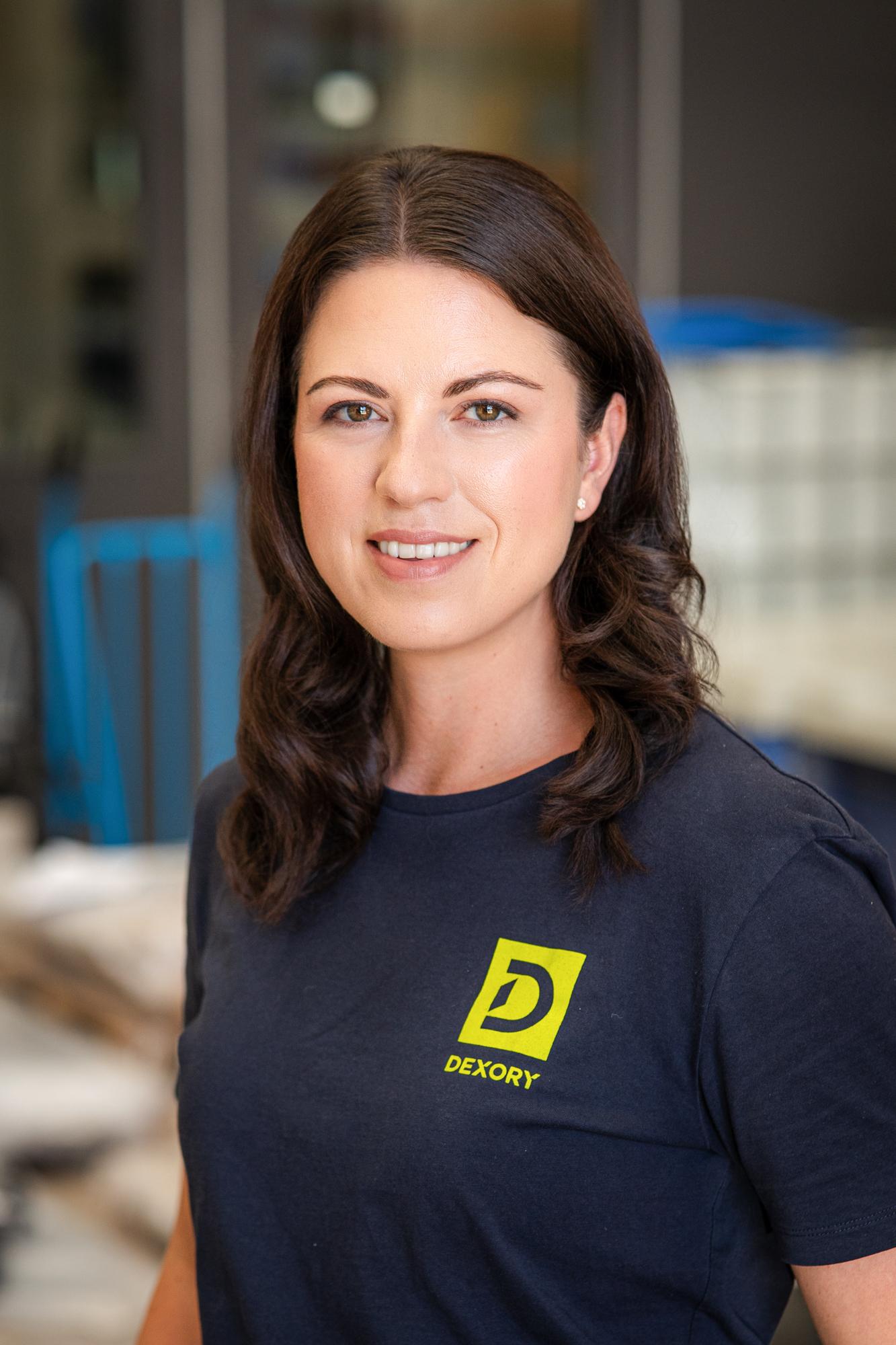
Before I co-founded Dexory a decade ago, I had no experience in robotics. I am a go-to-market specialist with degrees in both liberal arts and business, a fiction and fantasy obsessed reader, and I am a woman who comes from a family of doctors. My background isn’t in a lab, on a manufacturing floor or on a campus. I grew up in Romania and after studying in the UK, I spent six years working in marketing, sales, partnerships at Telefonica and Google.
All these things make me quite unusual in my field, robotics, dominated as it is by super-qualified scientists who tend to be men. In the early days at Dexory, it wasn’t unusual to walk into a robotics meeting and be the only woman in the room.
Don’t get me wrong, things have improved. I see far more women at conferences, in customer meetings, and on our own teams. I see women leading engineering teams, building AI models, designing products, running commercial organizations, and founding startups. We should – and we do – celebrate that, but we shouldn’t mistake this progress for the finishing line.
I’m biased, but I would argue that physical AI is one of the most exciting industries in the world right now – and robotics in particular. The machines we are building and the tech we are developing will revolutionize the world of work – and could help solve some of the existential challenges we face as humankind, from aging populations to climate change.
To do that, we are going to need a lot more people. Everyone in robotics knows that one of the biggest challenges of running a company right now is a lack of talent. Robotics founders complain about not being able to find the right people, and then they put out job descriptions that seem designed to attract only those who’ve spent decades in robotics. Nobody grows up dreaming about LiDAR specifications or navigation algorithms; they want to solve meaningful problems. Yet the robotics industry still spends most of its time talking about sensors, autonomy, and hardware instead of the impact those technologies create.
If we want to attract more women – and more exceptional people to the field in general – we need to stop selling “robots” and start selling what they make possible. We need to talk about making dangerous environments safer, about reducing waste across global supply chains, about using AI to solve challenges in the physical world that affect almost every product we use. We must speak the language of problem solving, which we all understand and relate to.
We also need to explain that opportunities in the sector are not just limited to building hardware: because there is a lot more to building a robotics company than the robots.
As robotics has become an industry rather than predominantly a field of research, companies increasingly need product thinkers, designers, operators, salespeople, industry experts and storytellers alongside brilliant engineers. They need people who understand not only how to make technology work, but how to make customers adopt it and to help businesses scale. They need people with unconventional backgrounds.
Not many people outside of Romania know this, but over the past two years, robotics clubs have been emerging all over the country, with Romanian teams winning international competitions and – most notably – made up of both young men and women.
That suggests that the next generation of scientists will be more diverse than the last and will provide new opportunities for young people in robotics and other fields. But it also shows just how exciting – and accessible – this tech is to non-specialists. These young people will grow up as evangelists for robotics, and some will take their place in the industry. The US and elsewhere in Europe should do the same, and the private sector can lead the charge by sponsoring these early initiatives and then nurturing young talent over time.
Not everyone who works in robotics has followed a highly specialized path, and there are many successful robotics companies that have not raised hundreds of millions of dollars, even if these are the companies that you read about in the media or on LinkedIn.
This isn’t just a problem in robotics – it is a wider issue in venture capital and startup funding: the fact is that big funding rounds tend to get the most attention, and most of those funding rounds go to male founders.
There is a cultural element too. In my experience, women like to talk about their results and what their teams have achieved and feel like they shouldn’t be talking about themselves until those results and achievements are massive.
The solution is not only for women to be louder, but for founders to think about the kind of stories they are telling. It is worthwhile to announce milestones, but I would love to see more founders sharing the everyday reality of building a company, including the difficulties, setbacks, and less glamorous parts of the journey.
Talking openly about the journey might make a founder’s career feel more relatable to other women, and seeing the full process might encourage others to think: “I could probably do that as well.” And that helps all of us.
The opinions expressed in Fortune.com commentary pieces are solely the views of their authors and do not necessarily reflect the opinions and beliefs of Fortune.