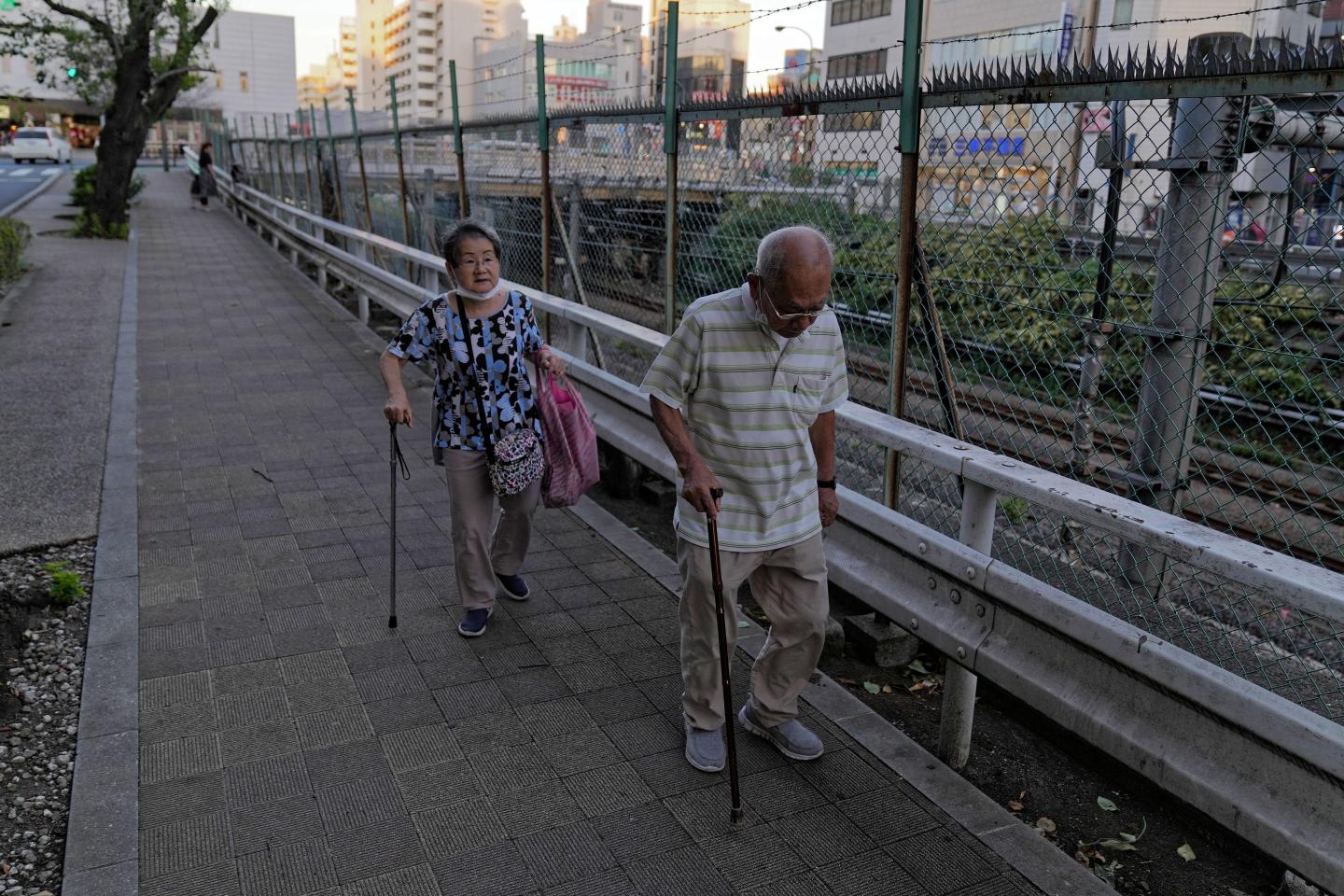
For the first time in its history, Japan has more than 100,000 people over the age of 100—and nearly 90% of them are women. The surge of centenarians is straining the country’s resources and making the male/female ratio at senior home mixers impossibly unbalanced.
To put the official total of 107,677 into context, that’s enough 100-year-olds to nearly fill AT&T Stadium in Dallas. When paired with Japan’s record-low fertility rates, the number of centenarians—which has risen for 56 straight years—is creating a host of fiscal problems:
- Around one-third of the country’s ~120 million residents are drawing from public pensions.
- The health ministry asked for $218 billion for pensions and medical care for next year’s fiscal budget, representing about a quarter of the overall requests.
- The government estimates that it will need 2.4 million elder care workers in 2026, up from 2.1 million in 2024.
To supplement its withering workforce, Japan is recruiting care workers from abroad. After reaching 66,000 last year under a skilled-worker visa program, the government will now allow nearly three times that many under a new foreign-aid worker plan despite its usually strict immigration policies.—DL
This report was originally published by Morning Brew.